





sales@hxdcircuits.com
+86 180 1876 7219

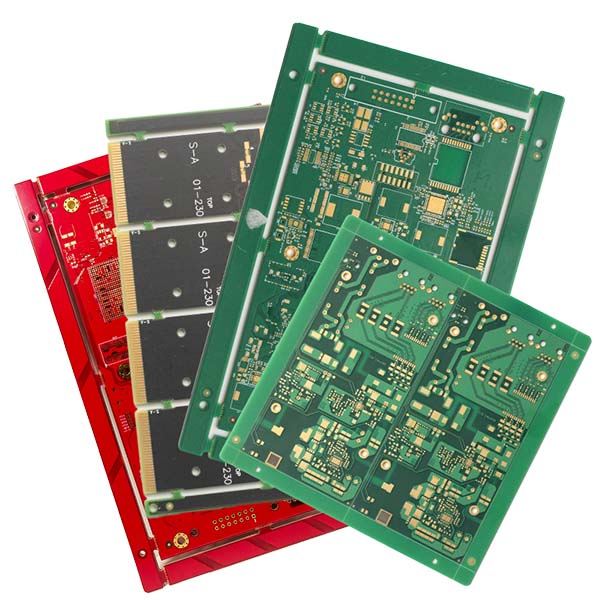
Rigid PCB Manufacturing for High-Performance Electronics

  • No MOQ
  • Rigid PCB up to 50Layers
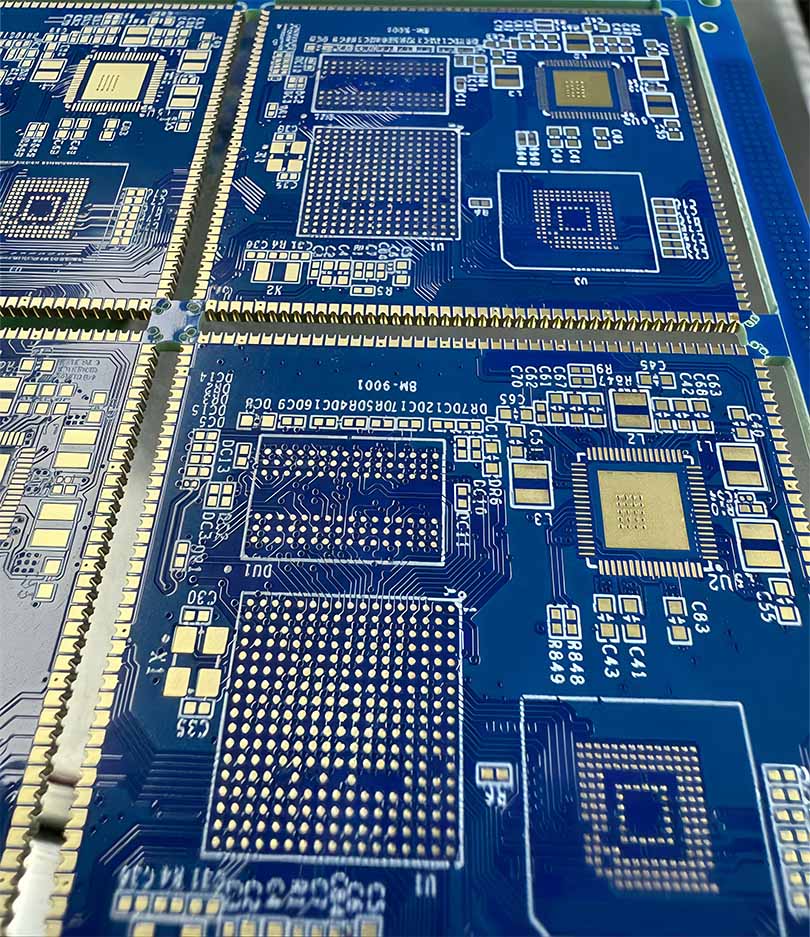
  • HDI board with any layer
  • Special technology can be available: Half hole, Buried Copper Coin and etc
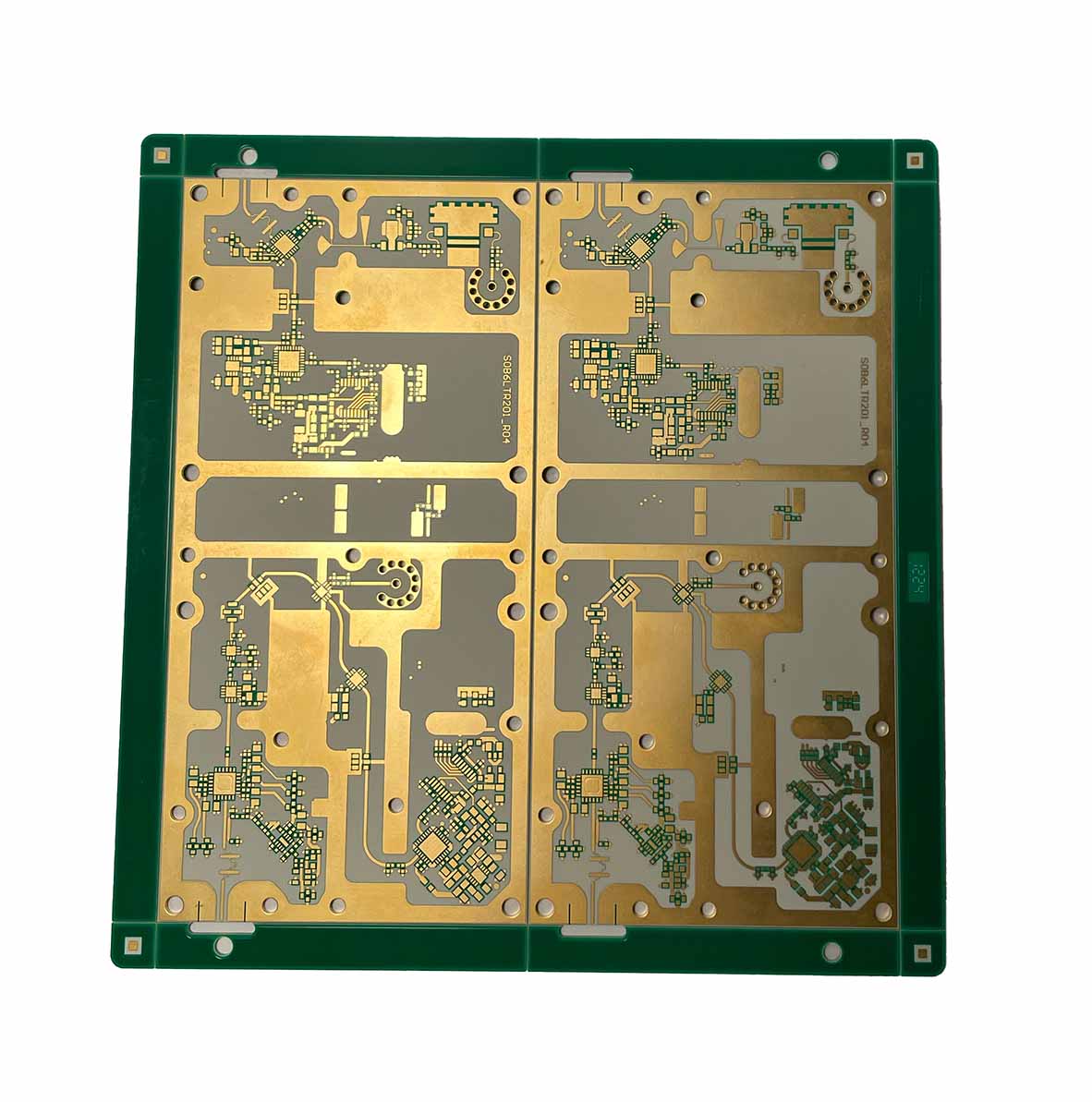
  • Wide Material Options Including High-End RF Laminates: ISOLA 370HR, Rogers 4350, F4BM255 – materials many suppliers cannot provide, with stable availability
  • IPC Class3 compliance, UL and ISO Certified
rigid-pcb

The Advantages of HXD Rigid PCB

Stable Structure, High Mechanical Strength

The most significant advantage of Rigid PCBs relies on their robust construction, capable of supporting heavy electronic components.  The PCB maintains excellent stability and resisting deformation throughout the product’s lifespan.

Mature Mass Production

HXD has full manufacturing experience in Rigid PCB production. Through continuous optimization of panel design and process efficiency, we effectively improve the material utilization. We can ensure the stable quality for mass volume. 

Multilayer Capability

Rigid PCBs vary from single-layer and double-layer structures to complex multi-layer structures. It can flexibly meet different circuit design and functional integration needs. HXD has mature production processes, enabling good quality control of lamination, hole plating, and circuit processing. By this way, it can achieve high-density wiring and high-reliability connections.

PCB Certifications

HXD’s Multi-Layer Rigid PCBs

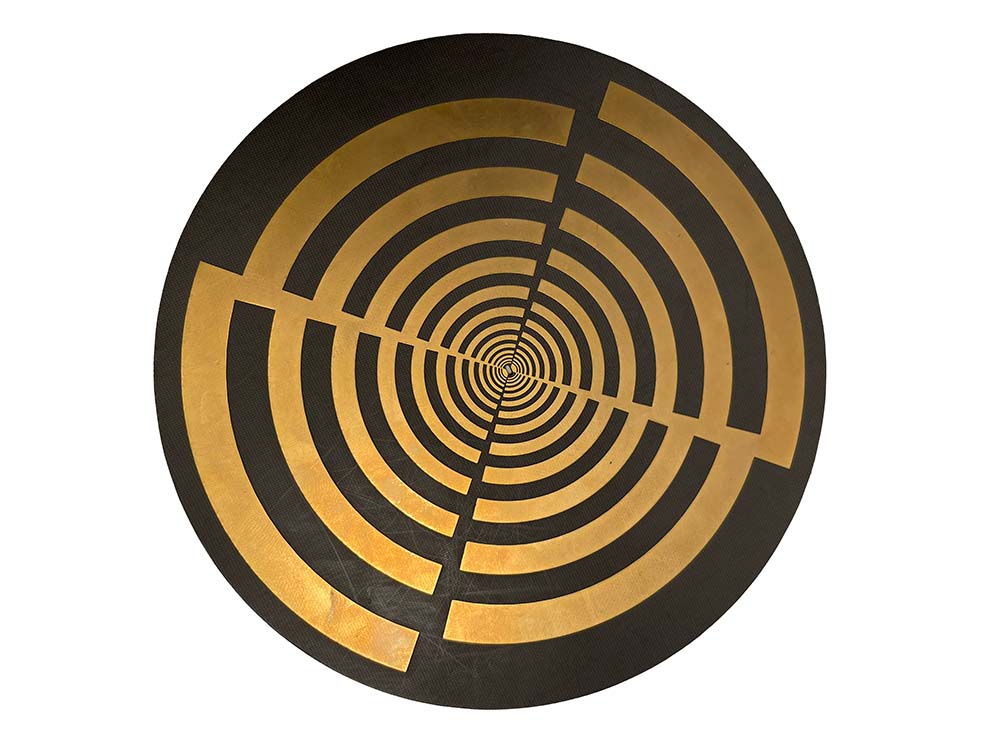
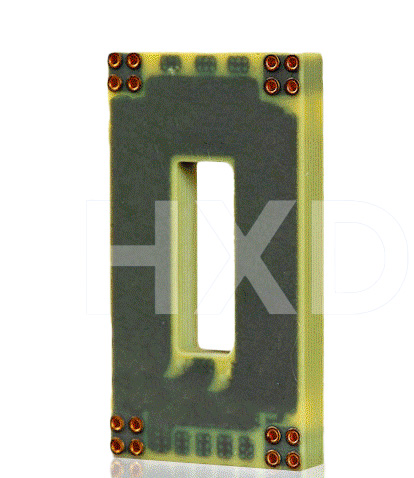
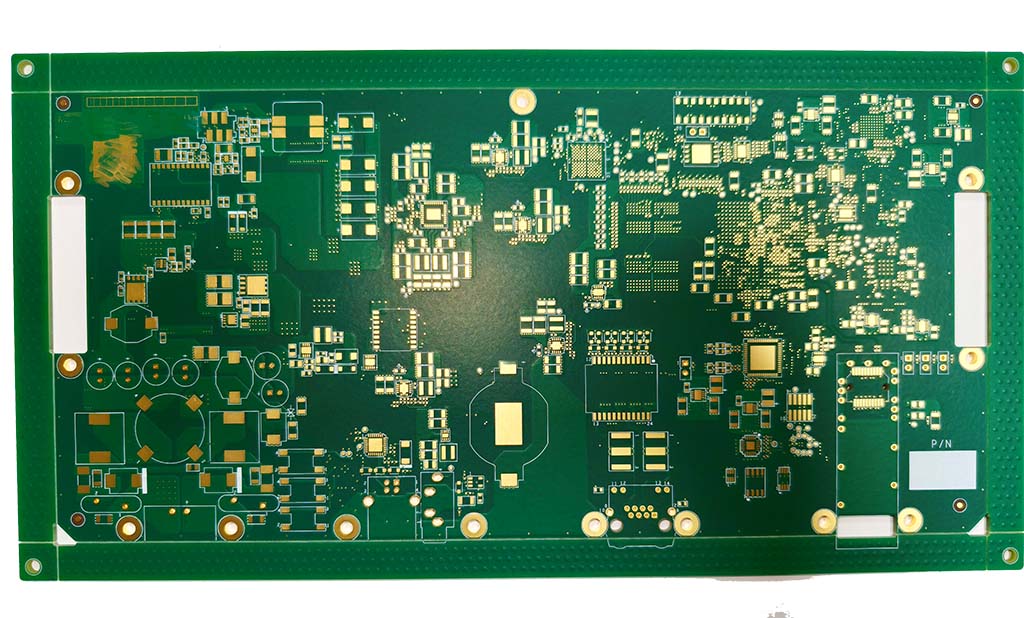
10Layer coil PCB with thick copper weight

10Layer coil PCB with thick copper weight

Designed specifically for high-power industrial applications, ensuring reliable performance under demanding conditions.

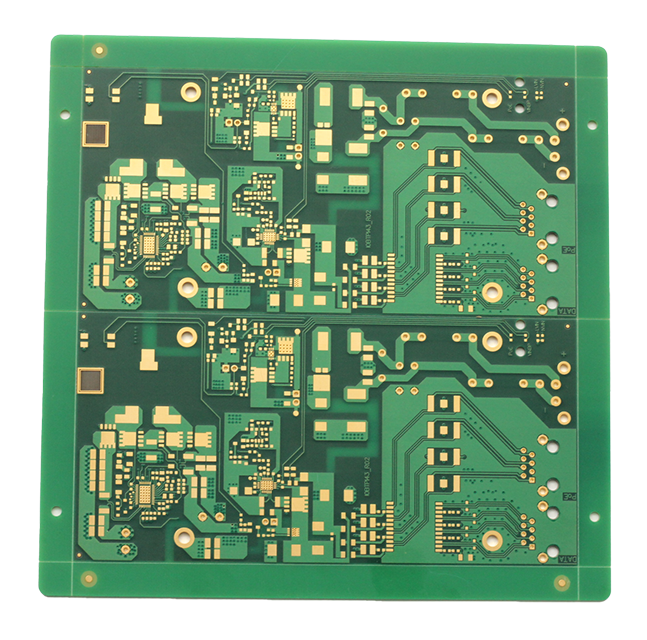
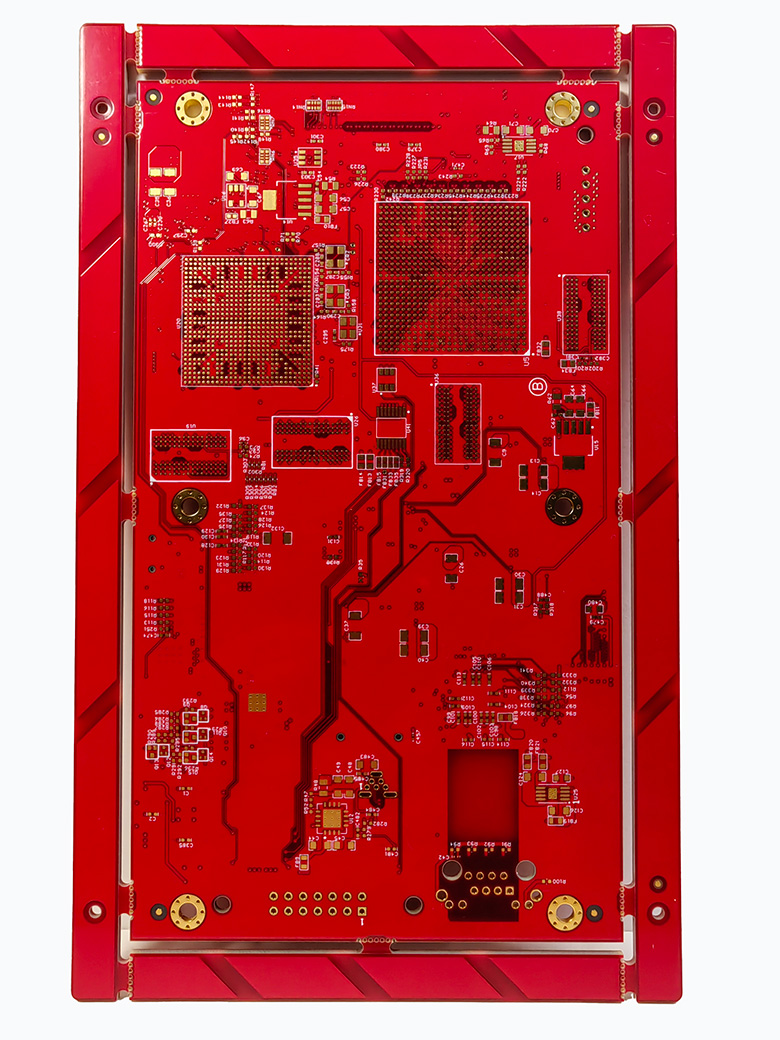
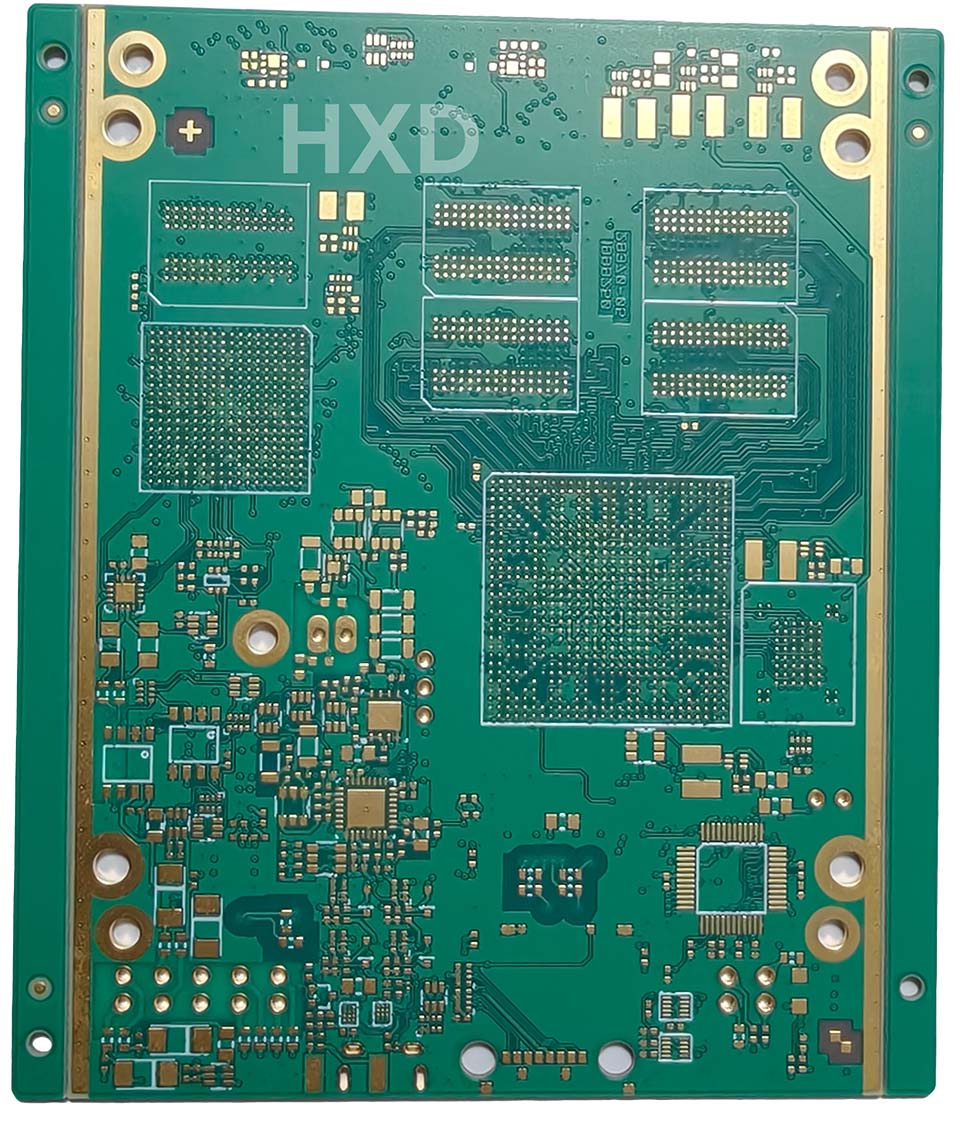
12Layer FR4 ISOLA 370HR Tg170

12Layer FR4 ISOLA 370HR Tg170

Reliable Supply of ISOLA 370HR (Tg170),Industrial-Grade 12-Layer Stack-Up,High-Precision Conductive Performance

12Layer HDI with ISOLA 370HR Tg170

12Layer HDI with ISOLA 370HR Tg170

12-layer stackup with multiple HDI build-up (L1-2, L11-12) enables high-density routing, compact layouts, and advanced miniaturized designs.

14Layer with FR4 Tg180

14Layer with FR4 Tg180

Designed for complex, high-speed broadcasting systems requiring multi-layer signal integrity and stable performance.

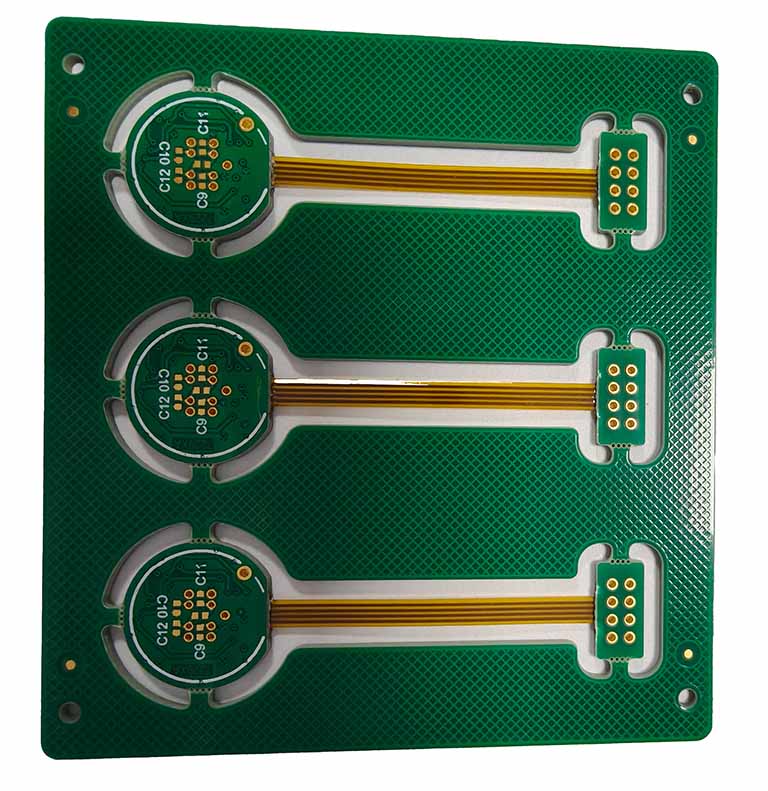
4Layer Rigid-flex PCB

4Layer Rigid-flex PCB

Stable 4-Layer Rigid-Flex Design (FR4 + PI) Combines flexibility and rigidity to support compact layouts and dynamic bending in industrial control applications.

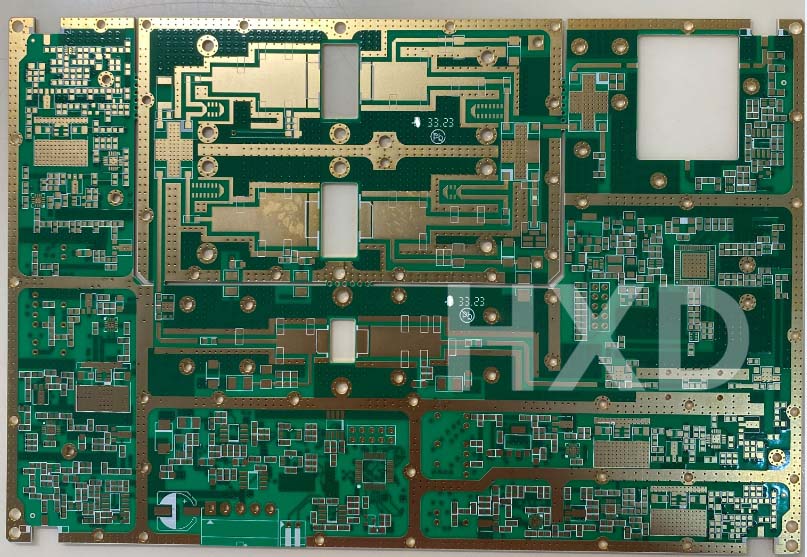
4Layer Rogers4350+FR4 with Hybrid Laminating PCB

4Layer Rogers4350+FR4 with Hybrid Laminating PCB

Rogers 4350 for RF layers + FR4 for structural layers, delivering high-frequency performance with lower material cost

4layer with Half hole

4layer with Half hole

Edge-plated half holes enable module plug-in, board-to-board connection, and compact mechanical integration.

4Layer with Rogers+FR4 Hybrid Board+Copper Coin Buried

4Layer with Rogers+FR4 Hybrid Board+Copper Coin Buried

Hybrid Material: FR4 Tg170 + Rogers 4350,4-Layer Rigid Structure for Broadcasting Applications,High-Precision PCB Capability

Different Types of HXD Rigid PCB

HXD can supply various rigid PCB types to meet the needs of different electronic applications:

Single-Sided PCB: Conductive traces are only designed on one side of the substrate. It has a simple structure and so the production process is a very mature process. Also the cost is the lowest production cost.

Double-Sided PCB: Conductive traces are designed on both sides of the substrate. Electrical connections between the layers are achieved through PTH. It allows for the placement of more components and more complex circuit designs. Compared to single-sided boards, double-sided PCBs have significantly higher wiring density. It can accommodate more components for designing complex circuits.

Multilayer PCB: Multilayer boards are composed of three or more conductive layers stacked together, with each layer separated by insulating material and interconnected through complex via technologies (such as through-holes, blind vias, and buried vias). They can meet the needs of complex, high-performance electronic systems.

Single&Double Sided PCBs

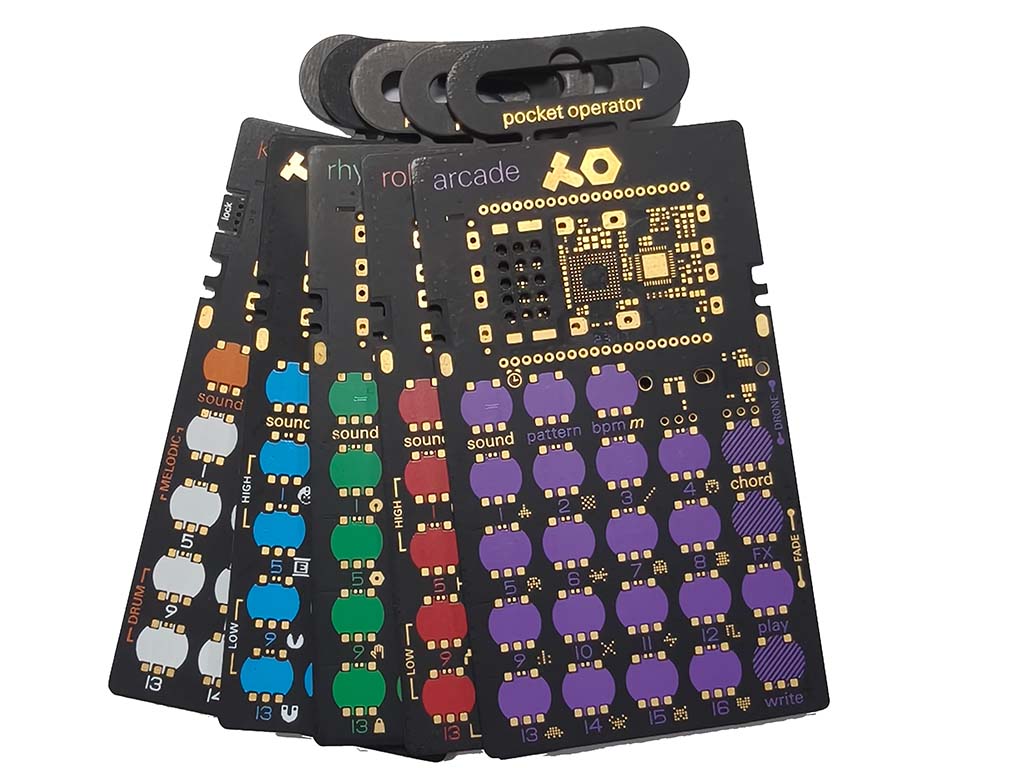
2Layer with IPC Class 3 requirement and custom legend color

2Layer with IPC Class 3 requirement and custom legend color

Meets the highest reliability standard for mission-critical electronics—rare for typical 2-layer boards.

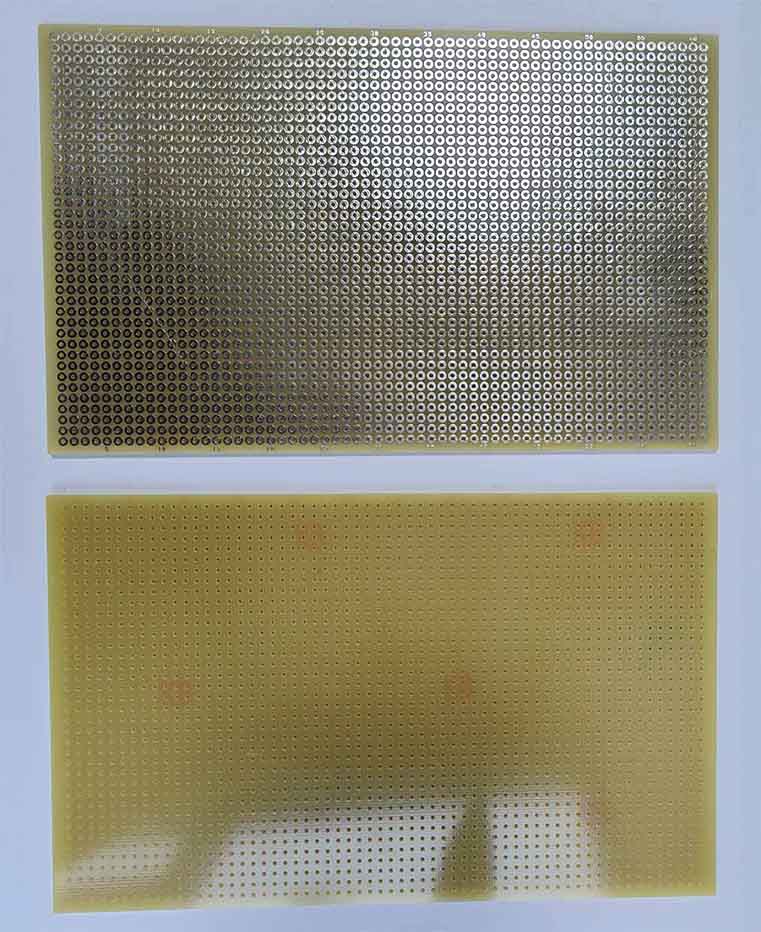
1Layer with HASL LF

1Layer with HASL LF

FR4 Material with HASL LF– Cost-effective and ideal for beginner projects, quick prototyping, training, and educational use. HASL LF has excellent solderability for repeated testing and manual solder experiments.

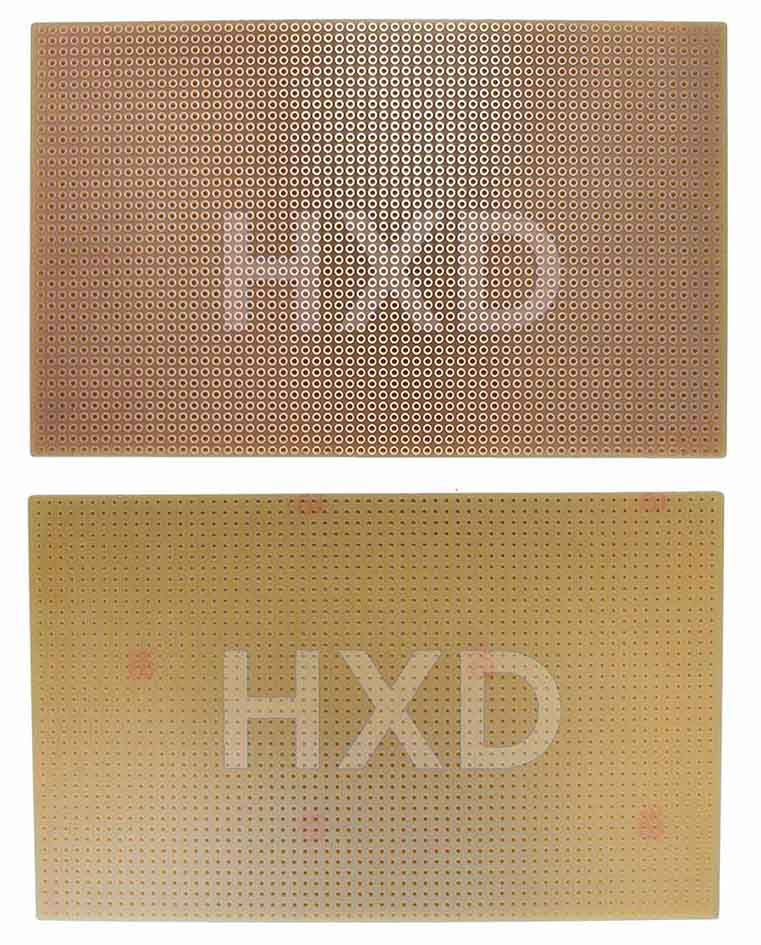
1Layer with KB FR1

1Layer with KB FR1

FR1 Material with OSP – Cost-effective and ideal for beginner projects, quick prototyping, training, and educational use.

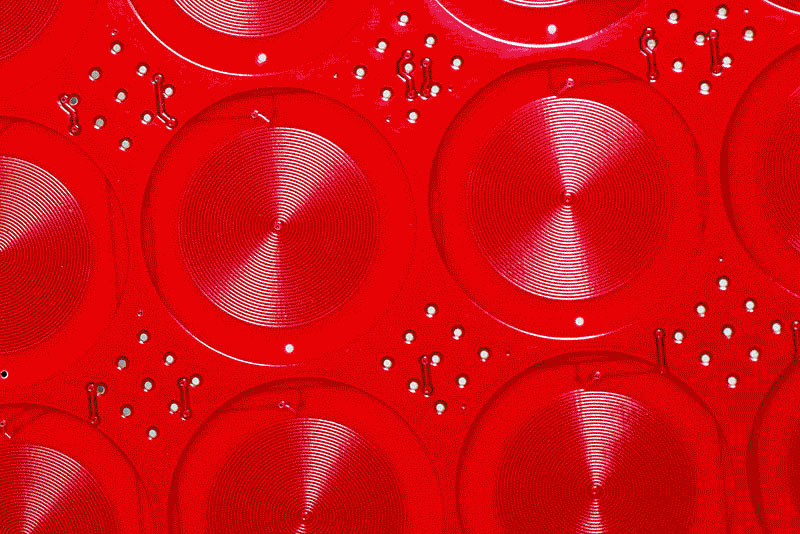
2 Layer 0.4mm Thin PCB with coil track

2 Layer 0.4mm Thin PCB with coil track

Provides excellent solderability and long-term corrosion resistance. Rigid board combined with FR4 stiffener for enhanced mechanical strength.

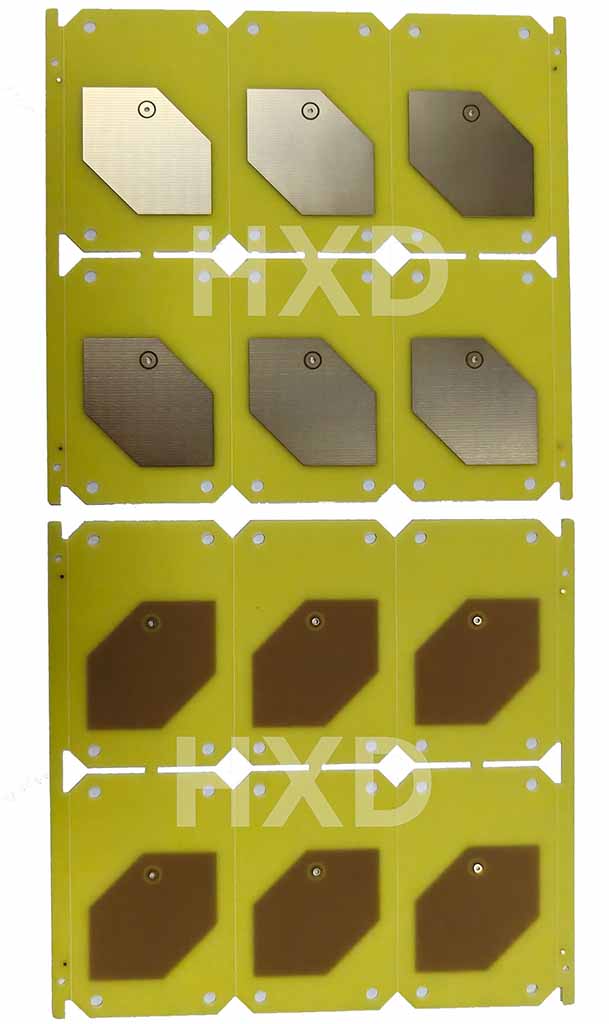
2Layer RF board with F4BM255 High-Frequency Material

2Layer RF board with F4BM255 High-Frequency Material

Meets the highest reliability standard for mission-critical electronics—rare for typical 2-layer boards.

2Layer with 0.6mm thin thickness

2Layer with 0.6mm thin thickness

Better Flexibility Than Standard Thickness – Slight bending tolerance makes it suitable for tight assembly structures.

Rigid PCB Capabilities

ItemsStandard PCBAdvanced PCB
Board TypeRigid 
Number of Layers1-20 layers50 Layers
MaterialFR-4, Aluminum, Copper Base, PTFE, Ceramic, Polyimide. Special material can be offered, such as Rogers, PTFE, ISOLA, Panasonic 
Maximum PCB Size (Dimension)1L&2L: Min. 3×3mm Max: 600×1500mm
Multilayer: Min. 5×5mm Max: 600×1400mm
 
Board Size Tolerance (Outline)Min. ±0.1mm 
Board ThicknessMin. 0.15mm Max: 5.0mm 
Board Thickness Tolerance (t≥1.0mm)±10% 
Board Thickness Tolerance (t<1.0mm)±0.1mm 
Min Trace/SpacingMin. 2/2milMin. 1.5/1.5mil
Trace Width/Spacing Tolerance±20%±10%
Finished Copper ThicknessMin. 1/3oz, Max. 12oz 
Drill Sizes (CNC)Min. 0.15mmMin. 0.1mm
Drill Sizes (Laser)Min. 0.1mmMin. 0.05mm
Hole Location Accuracy±3mil±2mil
Max. Aspect Ratio16:120:1
Min Width of Annular Ring0.15mm (6mil) 
Finished Hole Size Tolerance (CNC)PTH: ±0.075mm, NPTH: ±0.05mmPress Fit: ±0.05mm
Minimum Legend Width (Legend)0.15mm 
Legend Width to Height Ratio (Legend)1:05 
Minimum Diameter of Plated Half Holes0.4mm 
Surface FinishingHASL with lead, HASL lead-free, ENIG, OSP, Hard Gold, Immersion Silver, Immersion Tin, ENEPIG, Carbon Ink 
Solder Mask ColourGreen, Red, Yellow, Blue, White, Black, Matt Green, Matte Black, Purple, None 
SilkscreenWhite, Black, Yellow, None 
PanelizationV-cut, Jump V-cut, Routing 
TestAOI, Fly Probe Testing (Free), Ionic Test, E-test, Impedance Control 
CertificationISO9001, TS16949, ISO14001, UL, RoHS 

What is Rigid PCB?

Rigid PCB is a type of printed circuit board that cannot be bent or folded. It is the most common type of PCB in the industry. Rigid PCBs are applied in almost all mainstream electronic products, such as laptops, desktop computers, mobile phones, and televisions. The base material of rigid PCB is typically a glass fiber reinforced material. It can give PCB higher mechanical strength and allow it to operate stably in high temperatures and complex working environments.

HXD has mature manufacturing experience and a strict quality control system. Whether your project requires cost-effective single/double-sided PCBs or advanced multilayer HDI boards, we can provide a one-stop production from full-process service from DFM (Design for Manufacturability) and quickturn to mass volume mass production.

Discover Our Solutions

For more information about our rigid and multilayer PCB solutions, get in touch with us today.

Start Custom Quote

Standard stackup of a Rigid PCB

Silkscreen: The common colour is white or black. It contains icons and lines. It is used to  indicate component designators (e.g., R1, C1), polarity, company logo, or version number.

Solder Mask: The Common colors are green (default), black, blue, red, and white.Its main function is to prevent copper oxidation and provide insulation.

Copper Layer: Its function is to carry current and realize signal transmission and electrical connection between electronic components. The standard copper weights are 1oz or 2oz.

Substrate: The most common material is FR-4. For high-frequency, high-speed, or special environment applications, HXD also provides a variety of high-performance substrate options, such as using Rogers and Taconic materials, to ensure long-term stability of electrical performance.

Rigid PCB Frequently Asked Questions

Can HXD handle controlled impedance boards?

Yes — we support controlled impedance, high layer count, and advanced trace/spacing requirements.

What is the lead time for rigid PCB manufacturing?

Lead time depends on complexity and layer count, but we offer competitive quick-turn options to help keep your schedule tight.Typical prototyping can be completed within 5–7 days, while small to medium volume production usually takes 10–15 days. Expedited services are available for urgent orders.

How do you ensure the quality of rigid PCBs?

Our rigid PCBs undergo 100% electrical testing (E-test), AOI (Automated Optical Inspection), and X-Ray inspection. All products comply with IPC Class 2/3 standards and are manufactured in ISO9001 certified facilities.

Do you offer custom rigid PCB solutions?

Absolutely. We provide custom PCB design and manufacturing services, including multilayer boards, HDI, advanced copper thickness, controlled impedance, and specialized finishes according to your project requirements.

REQUEST A QUOTE

Supported file formats: PDF, DOC, DOCX, TXT, JPG, PNG (Max 2MB)