Medical Device PCB Types and Certifications
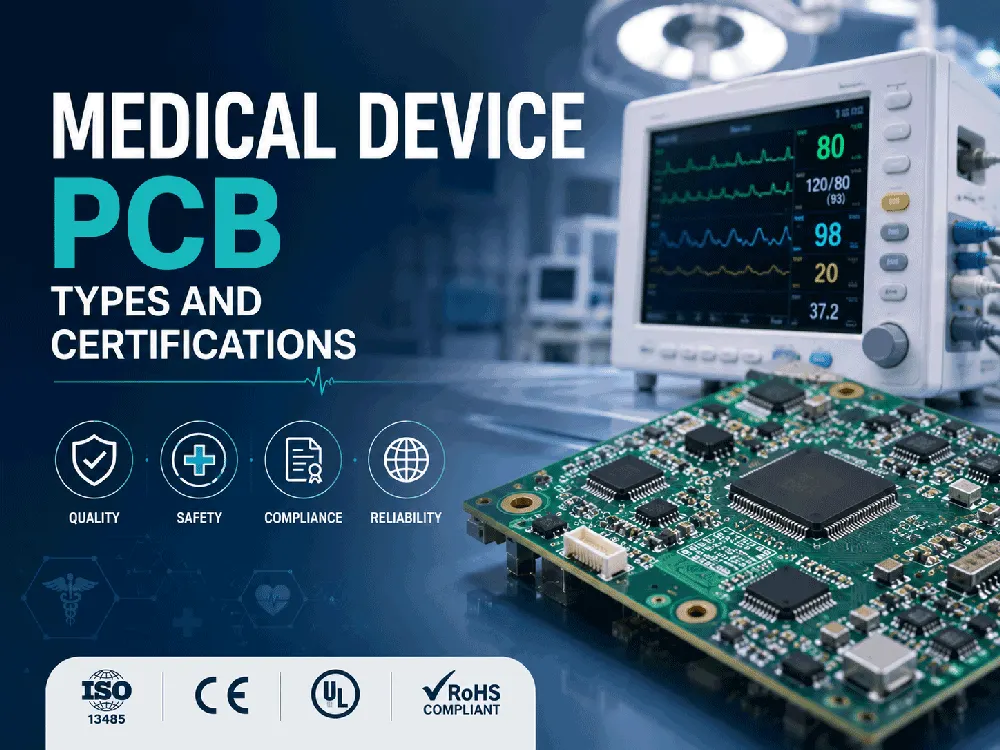
This guide explains common medical device PCB types and key certification requirements. It also helps you understand how to choose a PCB manufacturer for medical devices.
Read More>>Telecom PCB Manufacturing: Complete Guide to Materials, Design
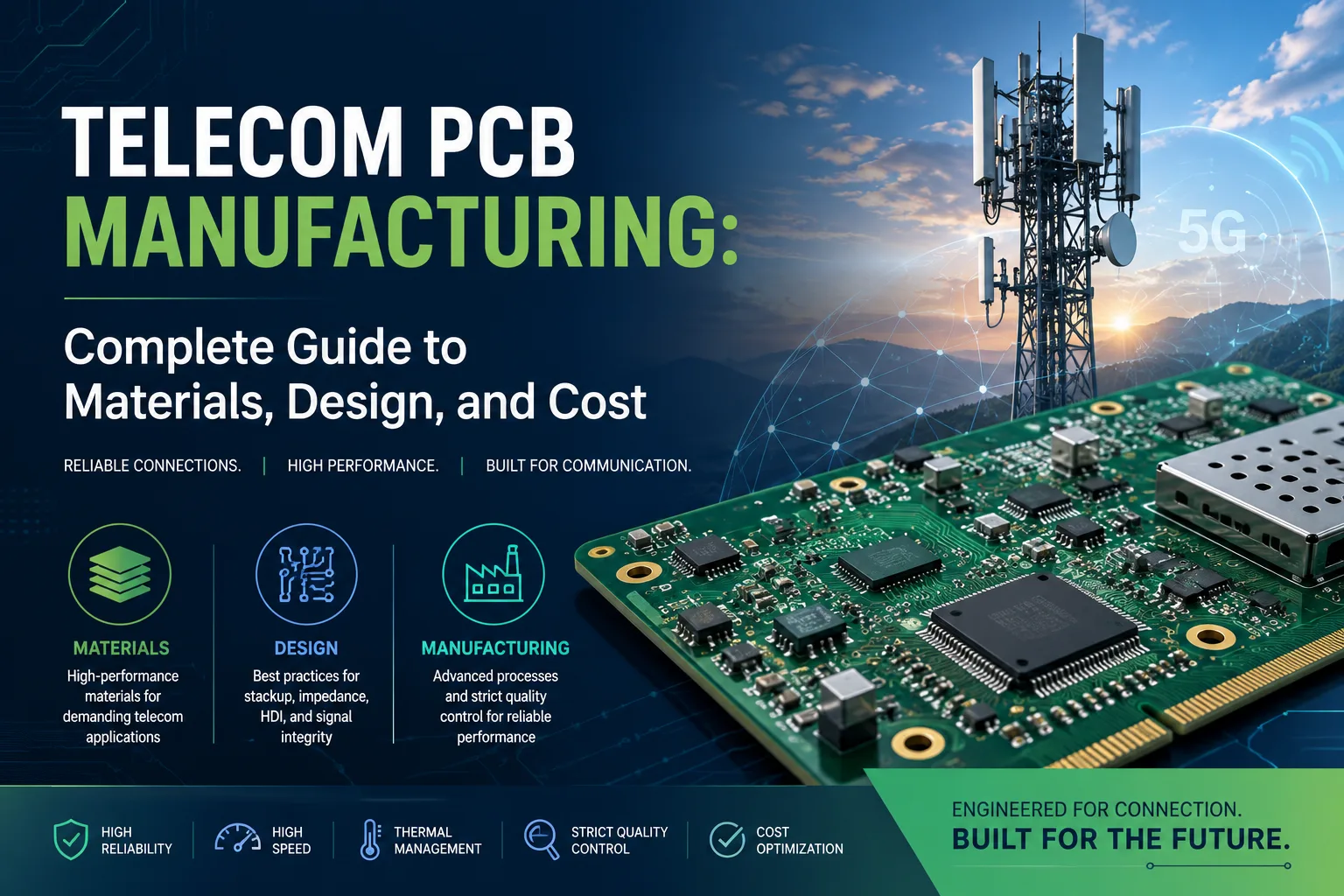
This guide explains the key points in telecom PCB manufacturing. It covers materials, design rules, and manufacturing challenges.
Read More>>PCB Materials: A Guide for PCB Design and Manufacturing
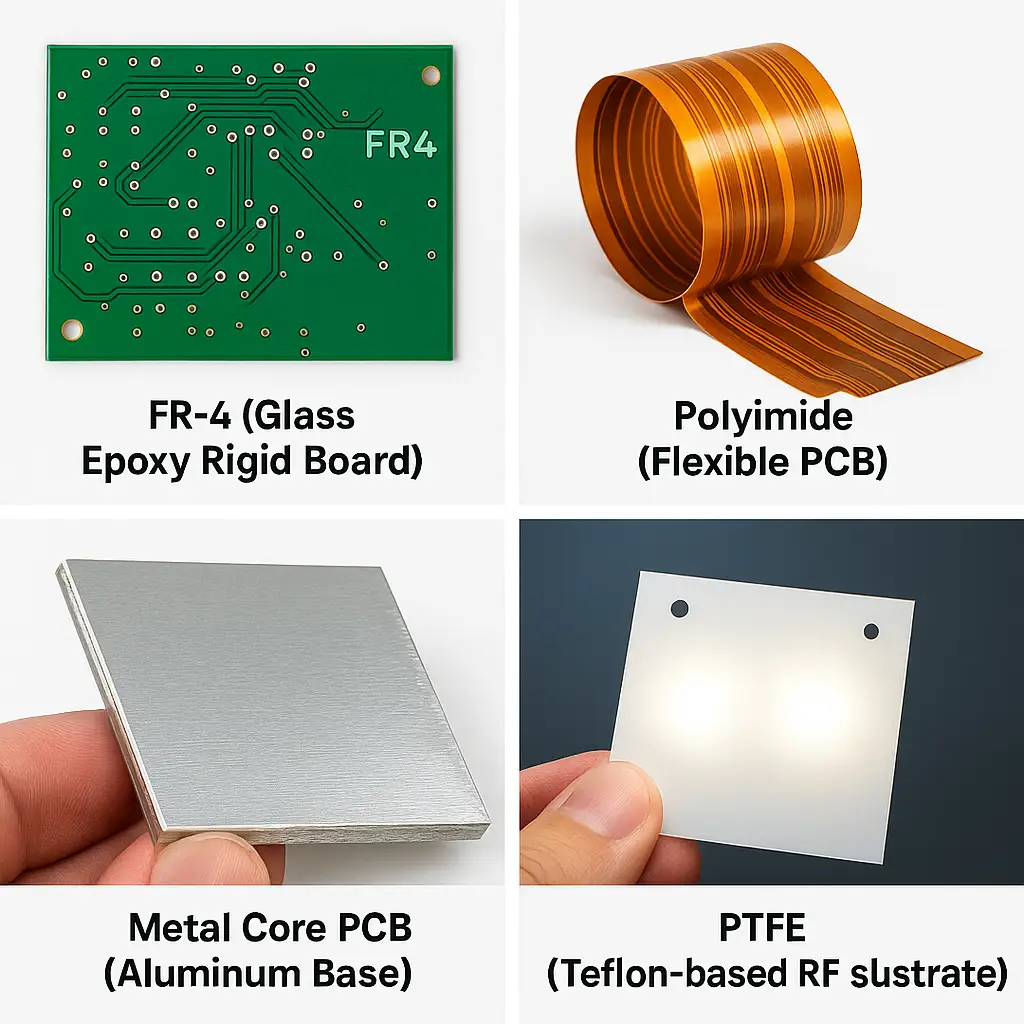
PCB material affects how a circuit board works, lasts, and performs in real use. Designers and buyers should not choose PCB material only by price. They should also consider electrical performance, heat resistance, signal speed, layer count, and the copper thickness.
Read More>>PCB Via Types Explained: Through-Hole, Blind, Buried, Microvia, and Via-in-Pad
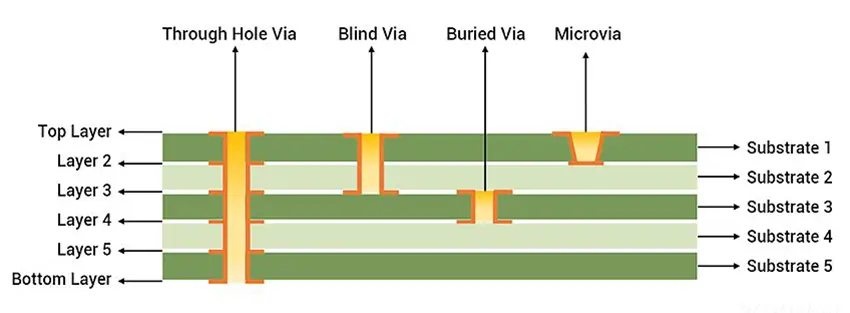
PCB vias are small plated holes that connect different copper layers in a printed circuit board. They may look simple, but they can affect PCB routing space, signal quality, manufacturing cost, and board reliability. The right via type can improve routing space, signal quality, current flow, and board reliability. The wrong via type can increase cost, add risk, or make the board harder to produce.
Read More>>How to Choose the Right PCB Layer Count?
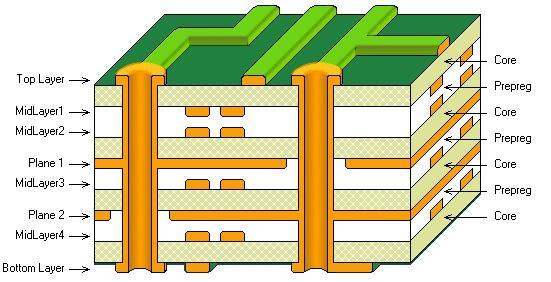
Choosing the right PCB layer count is one of the most important decisions in circuit design. It directly affects cost, electrical performance, manufacturability, and long-term reliability.
Read More>>Complete Guide to High Tg PCB(2026)
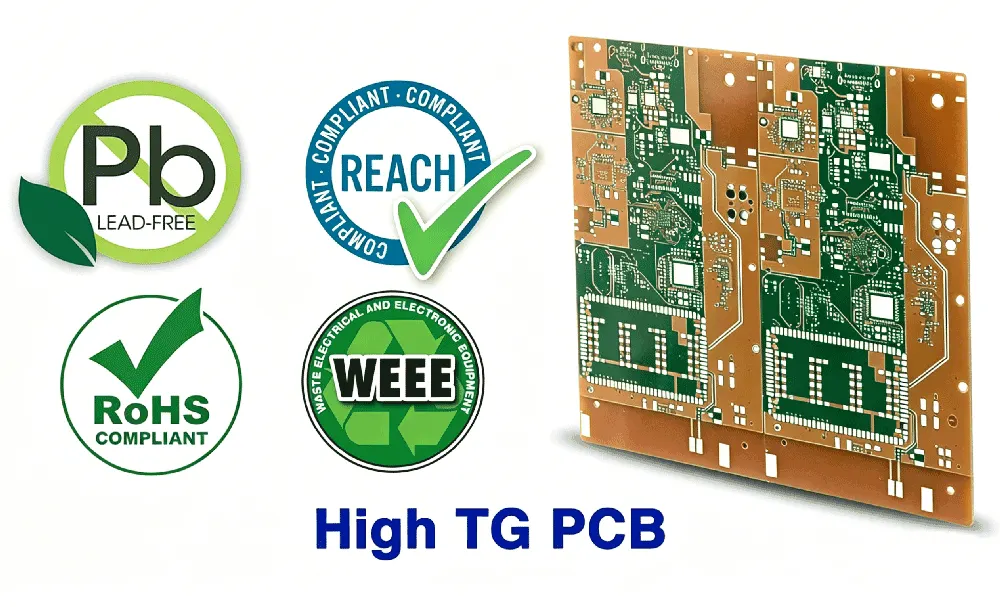
A High Tg PCB is a printed circuit board made from material with a high glass transition temperature (Tg). Tg is the temperature point where the resin in the PCB changes from a hard state to a softer state.
Read More>>PCB Solder Mask: Types, Properties, and Selection Guide
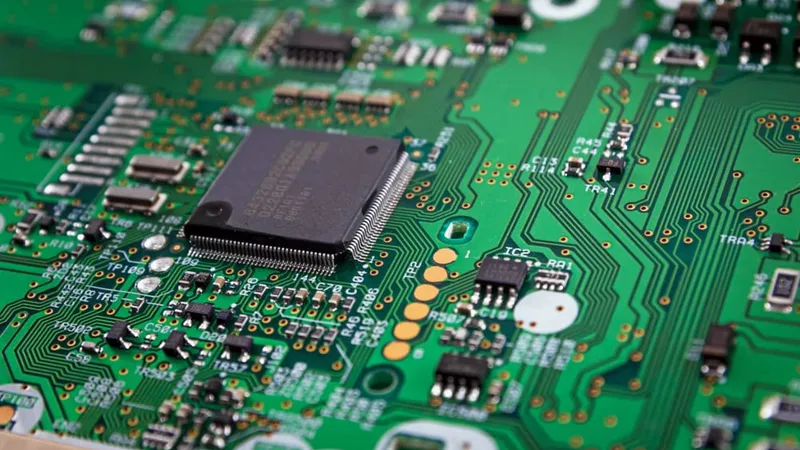
Solder mask is a thin protective coating applied to the copper surface of a printed circuit board. Manufacturers make it from a polymer-based material, usually an epoxy resin or photoimageable ink. This material hardens after curing. The coating covers the whole board surface except for the solder pads.
Read More>>PCB Specifications Explained: A Buyer’s Guide
When requesting a quotation for printed circuit boards, many buyers focus first on price and lead time. But in practice, a reliable quotation starts with clear and complete PCB specifications. Missing or unclear key PCB order parameters can cause the supplier to make assumptions. This may result in inaccurate pricing, engineering delays, or risks in manufacturability.
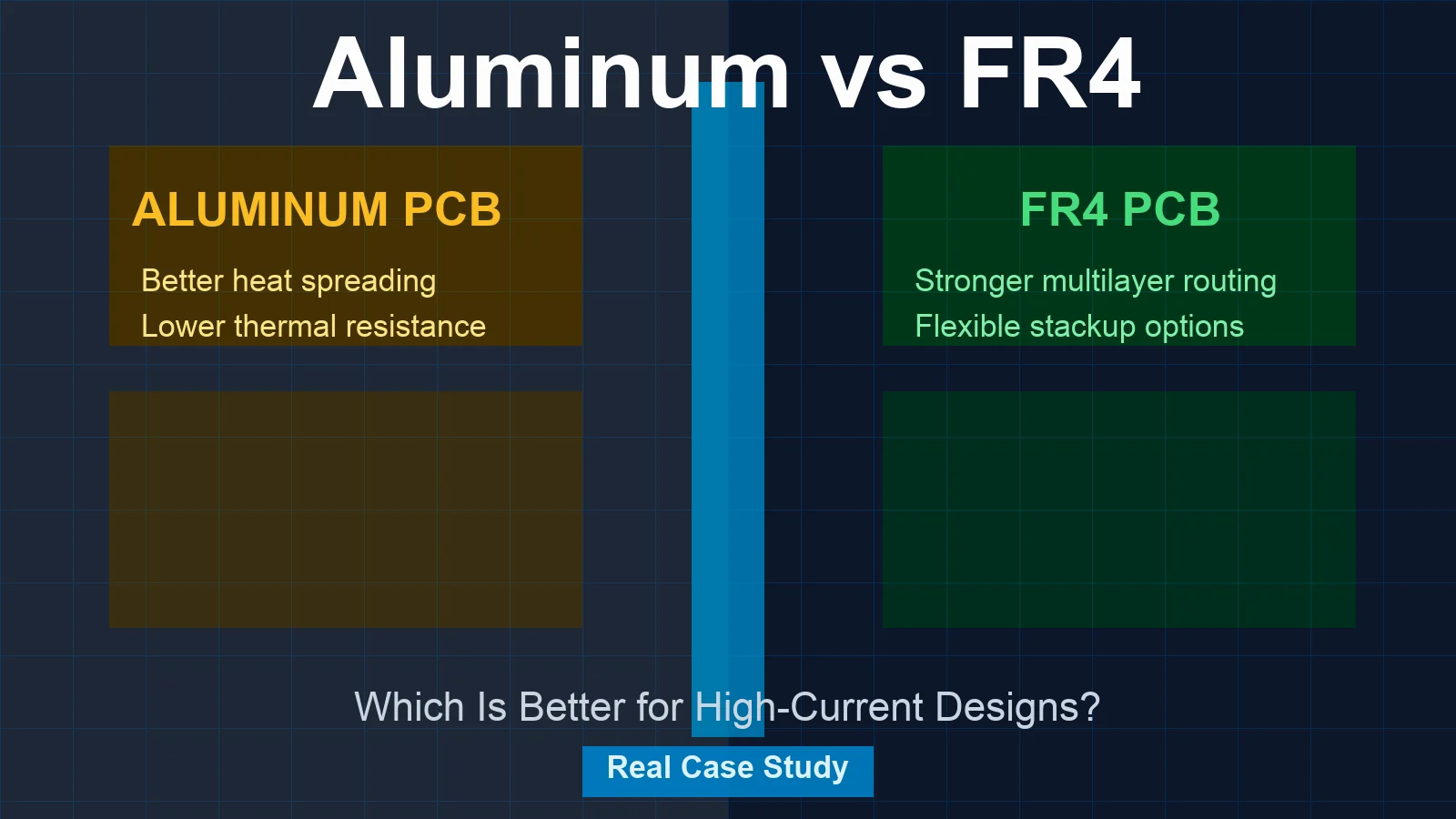
Read More>>Aluminum vs FR4: Which Is Better for High-Current Designs?