
PCB Solder Mask: Types, Properties, and Selection Guide
 steve ran
April 13, 2026
steve ran
April 13, 2026
What Is PCB Solder Mask?
Solder mask is a thin protective coating applied to the copper surface of a printed circuit board. Manufacturers make it from a polymer-based material, usually an epoxy resin or photoimageable ink. This material hardens after curing. The coating covers the whole board surface except for the solder pads.
Most solder masks are green, but they are available in a variety of colors, such as red, black, blue, and white.
Why Solder Mask Matters in PCB Manufacturing
Solder mask is not just a cosmetic layer. It plays a critical role in how a PCB performs during assembly and in the field.
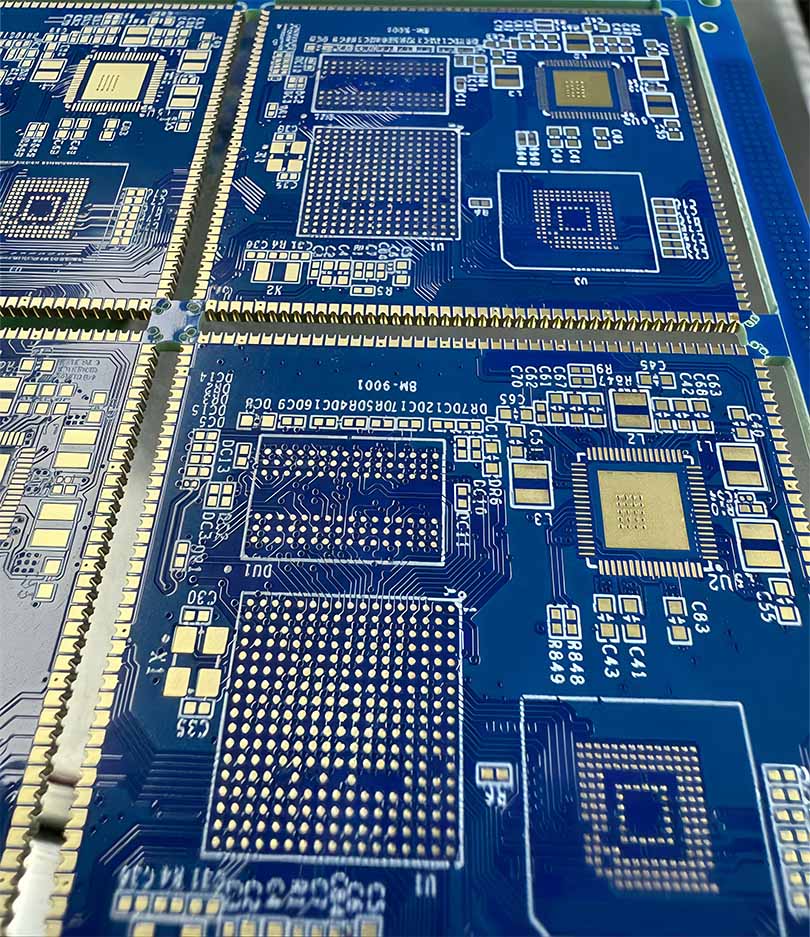
Prevents solder bridging
During soldering, liquid solder can flow between nearby pads and create unintended connections. Solder mask blocks those paths and keeps solder exactly where it belongs.
Provides dielectric protection
The cured solder mask acts as an insulating layer between copper traces. This prevents electrical shorts caused by contact between adjacent conductors.
Resists chemicals and moisture
PCBs are exposed to flux, cleaning agents, and humidity during and after assembly. A good solder mask material resists these substances and keeps the copper underneath protected.
Handles high temperatures
Reflow soldering reaches temperatures above 250°C. Wave soldering exposes the bottom of the board to molten solder. The solder mask must stay intact through both processes without peeling, cracking, or losing adhesion.
Poor solder mask material can directly lead to PCB failure. Boards with weak or misapplied solder mask show higher defect rates in the field and on the assembly line.
Main Types of PCB Solder Mask Materials
PCB manufacturing uses three main types of solder mask. Each type has different characteristics, costs, and use cases.
Liquid Photoimageable (LPI) Solder Mask
LPI solder mask is the most widely used type in the industry, accounting for more than 90% of all PCBs produced today.
The material is a liquid epoxy or acrylic ink. Manufacturers apply it to the board using screen printing or curtain coating.
After application, manufacturers expose the coating to UV light through a photomask, which hardens the selected areas.
During development, the process removes the unexposed areas, leaving the pad openings clean. The board then undergoes a final thermal curing step to fully harden the coating.
LPI offers high resolution, which means it can hold tight tolerances around small pads and fine-pitch components. It also provides strong adhesion to copper and good thermal resistance.
For most standard and advanced PCB designs, LPI is the right choice.
Key advantages:
- High resolution for fine-pitch designs
- Strong adhesion to copper surfaces
- Good thermal and chemical resistance
- Compatible with most PCB surface finishes
Dry Film Solder Mask
Dry film solder mask comes in sheet form. Manufacturers laminate the film onto the board surface using heat and pressure. They then expose it to UV light and develop the pattern using a process similar to LPI.
Because manufacturers apply the material as a solid film, this method ensures highly consistent thickness across the board. This makes it suitable for high-density interconnect (HDI) boards and IC substrates where consistent thickness is critical.
Dry film solder mask is more expensive than LPI and requires tightly controlled processing conditions. Therefore, manufacturers typically avoid it in standard PCB production and reserve it for advanced applications that require high precision.
Epoxy Liquid Solder Mask
Epoxy liquid solder mask is an older technology. Manufacturers apply it via screen printing and cure it with heat instead of UV light. Because there is no photoimaging step, the resolution is much lower than LPI.
This type of solder mask cannot hold tight tolerances. Pad openings are larger and less precise, which makes it unsuitable for modern SMD components and fine-pitch designs. This method often leads to uneven coating thickness across the board.
Epoxy liquid solder mask is low cost, but its limitations have pushed it out of mainstream production. Manufacturers now rarely use it except for very simple, low-cost board applications.
Key Properties of Solder Mask Materials
Understanding the technical properties of solder mask helps engineers make better material decisions.
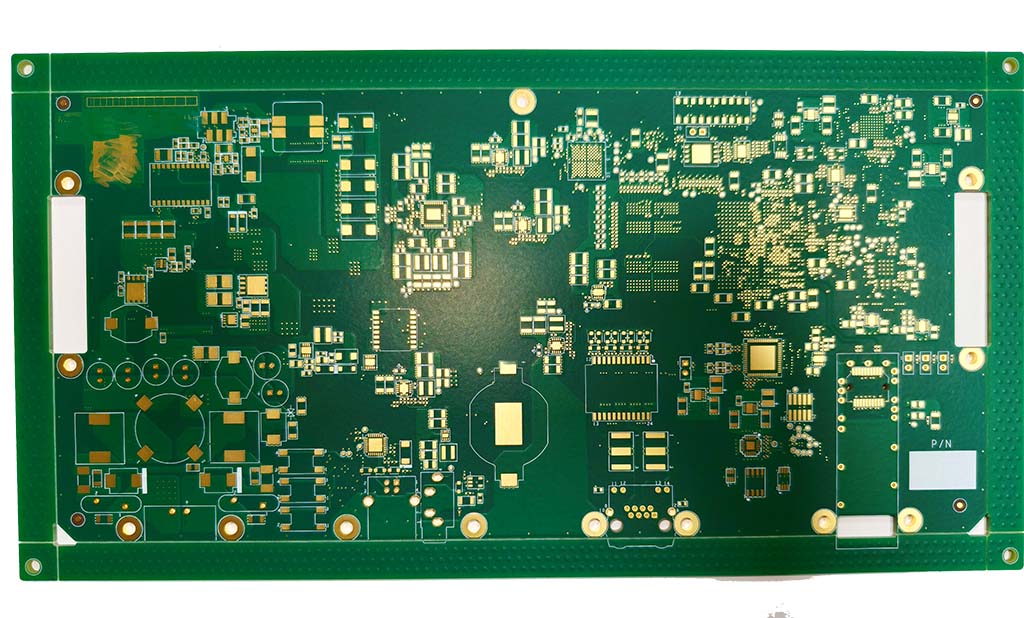
Thermal Resistance
Engineers measure thermal resistance using the glass transition temperature (Tg). This is the point at which the cured solder mask begins to soften.
Most standard LPI solder masks have a Tg between 110°C and 150°C, high-performance materials can exceed 170°C.
Boards that undergo multiple reflow cycles or operate at high temperatures require solder mask materials with a higher Tg.
Dielectric Strength
Dielectric strength measures how well the solder mask insulates between conductors. A higher dielectric strength means better protection against electrical breakdown.
High-voltage and high-frequency applications require high dielectric strength to prevent leakage between conductors and ensure reliable performance.
Adhesion
Adhesion describes how well the solder mask sticks to the copper surface. Poor adhesion leads to lifting, peeling, and eventually corrosion of the copper underneath.
Chemical Resistance
During assembly, manufacturers expose boards to flux, isopropyl alcohol, and other cleaning agents. The solder mask must resist these chemicals without swelling, softening, or discoloring. Most LPI materials pass standard chemical resistance tests, but engineers should always check the material datasheets for specific applications.
Thickness Control
PCB solder mask thickness typically ranges from 8 to 15 microns over copper traces. Over the base laminate, it usually ranges from 25 to 35 microns.
Consistent thickness is important for fine-pitch designs. Too thin and the protection is insufficient. Too thick and it can cause issues with solder paste printing and component placement accuracy.
Solder Mask Colors
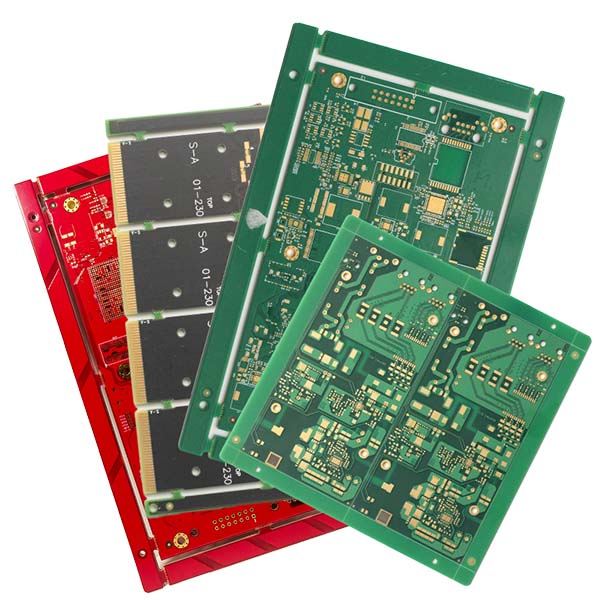
Green is the standard solder mask color for most PCBs. Green provides good contrast under inspection lighting and works well with AOI (automated optical inspection) systems. Green is also more cost-effective than other pigments.
But other colors are common and each has practical implications:
Black absorbs more heat, which can help in some thermal applications. However, it makes visual inspection harder because traces and pads are difficult to see under normal lighting.
White reflects light, which is useful for LED boards where the solder mask acts as a reflective surface. White masks can improve light output in lighting applications. The downside is that white shows dirt more easily.
Engineers often use red and blue solder mask colors to distinguish board revisions during development or support visual branding. They have no significant electrical or thermal advantages over green.
Yellow and purple are available from most manufacturers but are less common. Engineers typically use yellow and purple solder mask colors for aesthetics or to distinguish products.
- Custom colors require changes to production equipment, including ink replacement and cleaning processes. These adjustments may impact lead times and production efficiency.
- Custom solder mask colors often raise production costs. This is especially true for prototypes or small orders. Pricing is typically 15% to 30% higher than standard colors.
Standard colors such as green, blue, and black are popular. They provide faster lead times, broader AOI support, and lower extra costs. Custom colors like red, yellow, or purple can give your brand a unique look and enhance product design.
If you need custom PCB solder mask colors, please contact us.
Solder Mask vs Solder Paste
Engineers new to PCB design often confuse these two materials. They serve completely different functions. They serve completely different functions.
| Solder Mask | Solder Paste | |
| What it is | Permanent polymer coating | Temporary tin/lead or lead-free alloy mixture |
| When applied | During PCB fabrication | During PCB assembly |
| Purpose | Protect copper, prevent bridging | Bond components to pads |
| Stays on board? | Yes — permanently cured | No — melts during reflow |
| Applied to | Entire board surface (except pads) | Pads only |
Solder mask stays on the board forever. Solder paste is a temporary material that melts during reflow soldering to form the final solder joint. Both are necessary, and neither replaces the other.
How to Choose the Right PCB Solder Mask Material
The best solder mask material depends on your specific design requirements and production environment.
For High-Density PCB
Use LPI solder mask. Its high resolution allows precise pad openings on fine-pitch components as small as 0.3mm pitch. It also maintains good registration across large panel sizes.
For High-Temperature Applications
Choose a high-Tg LPI material. Standard solder mask may soften or delaminate in boards that undergo multiple reflow cycles or operate near heat sources. High-Tg materials remain stable at temperatures above 170°C. They are well suited for automotive, industrial, and power electronics applications.
For Cost-Sensitive Projects
Standard LPI is sufficient for most consumer electronics, simple control boards, and prototype runs. For mild operating environments, premium materials are not necessary.
For LED or White Boards
Use a white solder mask with high light reflection. Some materials reflect more than 80% of light, improving the efficiency of LED boards.
Common Solder Mask Defects and Causes
Even with good materials, solder mask defects can occur when process control is lacking.
Pinholes
Small holes in the cured solder mask expose the copper underneath. Pinholes are usually caused by air bubbles trapped in the liquid mask during application. Surface dirt on the copper layer before coating is another common cause.
Misalignment
The pad openings do not line up with the actual pads. Misalignment occurs when manufacturers fail to correctly align the photomask or artwork with the board during processing.
Insufficient curing
Under-cured solder mask is soft and has poor chemical resistance. Insufficient UV exposure or improper thermal curing can make the solder mask easy to scratch or lift during handling.
Peeling
The solder mask separates from the copper surface when adhesion fails.
Poor surface preparation and dirt on the copper surface are the main causes. A surface finish that does not match the solder mask can also lead to this issue.
Poor material selection or poor process control causes most of these defects, not random chance. Working with an experienced manufacturer who controls each step of the solder mask process significantly reduces defect rates.
Get a free engineering review and fix solder mask issues before production begins.
Conclusion
Solder mask is one of the most important material choices in PCB manufacturing. It protects copper traces and prevents solder bridging. It also keeps the board stable throughout assembly and during its working life.
For critical applications, always review the material datasheet and confirm your manufacturer’s process capabilities before production begins.
FAQ
Frequently Asked Questions
What colors are available for solder mask?
Why is green solder mask most common?
What causes solder mask defects?
Poor surface preparation
Contamination on copper
Improper curing or exposure during processing