HXDcircuit

PCB Fabrication Manufacturer in China

PCB Fabrication and Manufacturing Services

HXD provides reliable PCB fabrication services for prototypes, quick turn orders, and volume production. We support rigid PCB, flex PCB fabrication, HDI PCB fabrication, multilayer PCB fabrication, and advanced PCB manufacturing.

Our Products

PCB Manufacturing Service

HXD offers a wide range of PCB manufacturing services. We support simple single-sided boards and advanced PCB fabrication, including multilayer, flex, rigid-flex, and HDI PCBs. Our team also helps customers choose the right material, layer count, copper weight, surface finish, and delivery plan.

01

Quick Turn PCB Fabrication

Fast PCB Fabrication for Urgent Projects

HXD provides quick turn PCB fabrication for engineers who need fast samples and urgent production support.

Our process helps reduce waiting time during product design, testing, and launch. We review your Gerber files, stackup, material needs, drill data, and surface finish before production. This helps avoid delays and quality risks. Quick turn service is useful for prototypes, design validation, repair projects, and small batch orders.

02

Single Layer PCB Fabrication

Simple Structure with Lower Cost

Single layer PCB fabrication is a cost-effective choice for simple electronic products. A single layer board has copper on one side only, so the structure is easy to produce and easy to inspect. People often use it in basic power supplies, LED products, sensors, toys, and simple control boards. HXD supports different board thicknesses, copper weights, solder mask colors, and surface finishes.

03

Double-Sided PCB Manufacturing

More Routing Space for Standard Electronics

Double-sided PCB manufacturing uses copper on both sides of the board. It gives engineers more routing space than a single layer PCB while keeping the cost under control. Manufacturers widely use this type of PCB in consumer electronics, industrial control, power modules, communication devices, and automotive products. HXD supports plated through holes, stable solder mask, clear silkscreen, and common surface finishes.

04

PTFE PCB Fabrication

Stable Performance for RF Applications

PTFE PCB fabrication is used for high-frequency and RF applications. PTFE materials offer stable electrical performance, low signal loss, and good behavior at high frequencies. Engineers often use these boards in antennas, radar systems, wireless communication, microwave devices, and high-speed signal products. HXD supports material selection, stackup review, impedance control, and process control for PTFE PCB projects.

05

Multilayer PCB Fabrication

Better Routing, Power, and Signal Control

Multilayer PCB fabrication is used when a circuit needs more routing space, better signal control, and stronger power distribution. These boards usually include four or more copper layers, with inner signal layers, power planes, and ground planes. HXD supports custom stackup design, controlled impedance, high Tg materials, fine lines, plated vias, and stable lamination.

06

Flexible PCB Fabrication

Thin and Bendable Circuits

Flexible PCB fabrication is made for products that need thin, light, and bendable circuits. Wearable devices, medical products, cameras, sensors, automotive modules, and compact electronics often use flex PCBs. They can replace wires and connectors, save space, and improve assembly efficiency. HXD supports single-sided, double-sided, and multilayer flex PCB structures.

07

Rigid-Flex PCB Fabrication

Rigid and Flexible Areas in One Board

Rigid-flex PCB fabrication combines rigid board areas and flexible circuit areas in one structure. This design helps reduce connectors, save internal space, and improve product reliability. Medical devices, aerospace systems, cameras, industrial electronics, and compact high-end products use rigid-flex PCBs. HXD reviews stackup, bend zones, stiffeners, coverlay, copper design, and drill rules before production.

08

Rigid PCB Fabrication

Common PCB Solution for Many Industries

Rigid PCB fabrication is the most common PCB manufacturing service. These boards use solid base materials such as FR-4, high Tg FR-4, aluminum, or other special laminates. Power electronics, industrial control, consumer electronics, communication equipment, and automotive systems use rigid PCBs. HXD supports simple rigid boards and complex multilayer rigid PCBs.

09

LED Circuit Board Fabrication

Heat Control for LED Products

LED circuit board fabrication needs good heat control, stable soldering, and reliable surface quality. LED boards are widely used in lighting products, display modules, automotive lamps, street lights, and industrial lighting. Many LED PCBs use aluminum or metal core materials because they help move heat away from the LED chips.

10

Heavy Copper PCB Fabrication

High Current and Stronger Heat Handling

Heavy copper PCB fabrication is used for circuits that carry high current or need stronger heat handling. These boards usually have copper thickness above 2 oz. They are common in power supplies, motor control, battery systems, charging equipment, solar inverters, and industrial control products. HXD reviews trace width, spacing, via design, and thermal relief before production.

11

High Tg PCB Fabrication

Better Stability Under Heat

High Tg PCB fabrication is a good choice for products that work in high heat or need better thermal stability. Tg means glass transition temperature. A higher Tg material keeps better mechanical and electrical performance when the board faces heat. Automotive electronics, industrial control, power systems, LED products, and multilayer PCB fabrication often use high Tg PCBs.

12

Metal Core PCB Fabrication

Better Heat Dissipation

Metal core PCB fabrication is used when a circuit needs better heat dissipation. The board often has a metal base, like aluminum or copper, with an insulating layer. A copper circuit layer sits above it. Metal core PCBs are common in LED lighting, power modules, automotive lighting, motor drives, and high-power electronics.

13

Aluminum PCB Fabrication

Common Choice for Thermal Management

Aluminum PCB fabrication is one of the most common choices for thermal management. An aluminum PCB has an aluminum base that helps spread heat from components. Many manufacturers use it in LED lights, power converters, automotive lighting, audio products, and industrial control equipment. HXD supports different board thicknesses, copper weights, solder mask colors, and surface finishes.

14

FR-4 PCB Manufacturing

Reliable Material for Standard PCB Projects

FR-4 PCB manufacturing is widely used because FR-4 offers good strength, stable insulation, and reasonable cost. Suitable for single-layer, double-sided, and multilayer PCB fabrication. HXD supports standard, mid, and high Tg FR-4 materials.

It also supports different copper weights, board thicknesses, surface finishes, and solder mask colors.

15

HDI PCB Manufacturing

Dense Routing for Compact Electronics

HDI PCB manufacturing is designed for products with dense components, fine lines, and limited board space. HDI boards often use microvias, blind vias, buried vias, and thin trace spacing. They are common in smartphones, medical devices, communication modules, IoT devices, and high-speed electronics. HXD supports HDI PCB fabrication with careful material selection and process control.

Get a Quote

Start Your PCB Fabrication Project with HXD?

From quick-turn prototypes to mass PCB production, HXD helps you build reliable circuit boards with clear engineering support, stable process control, and flexible production options.

Quote within 2 hours DFM review included IPC-A-600 certified

PCB Certifications

PCB Fabrication Machine

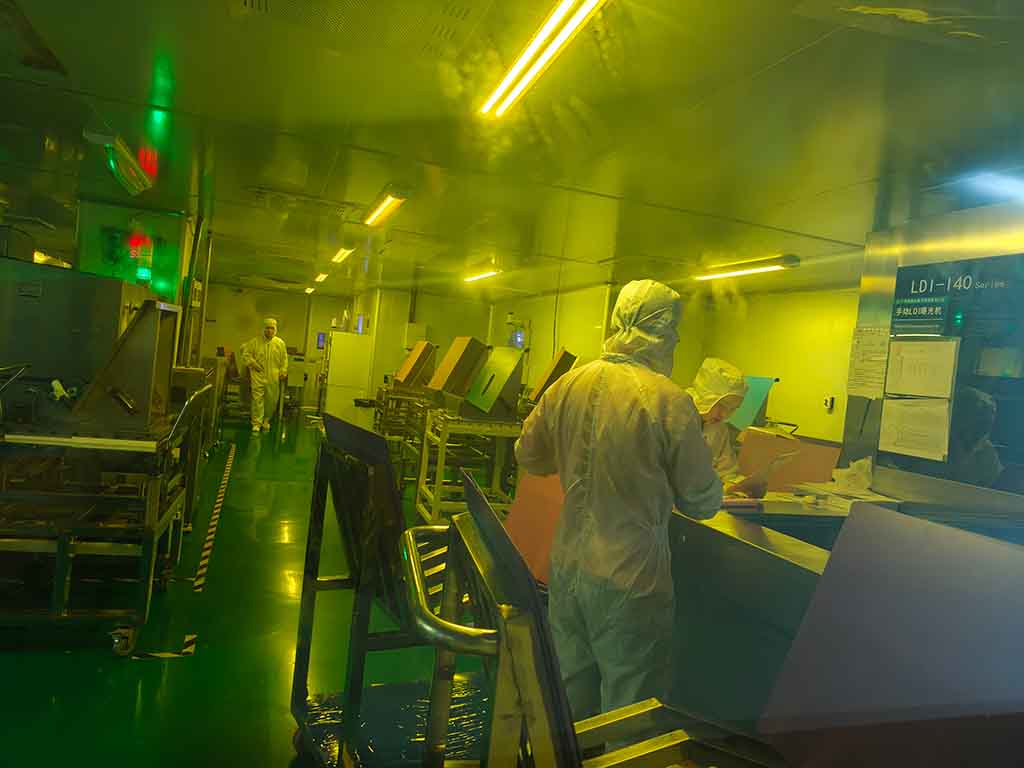
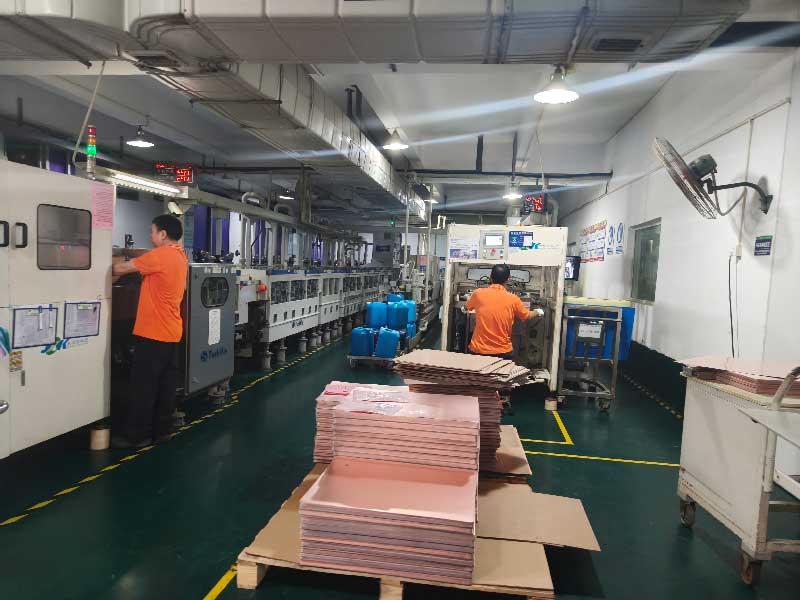
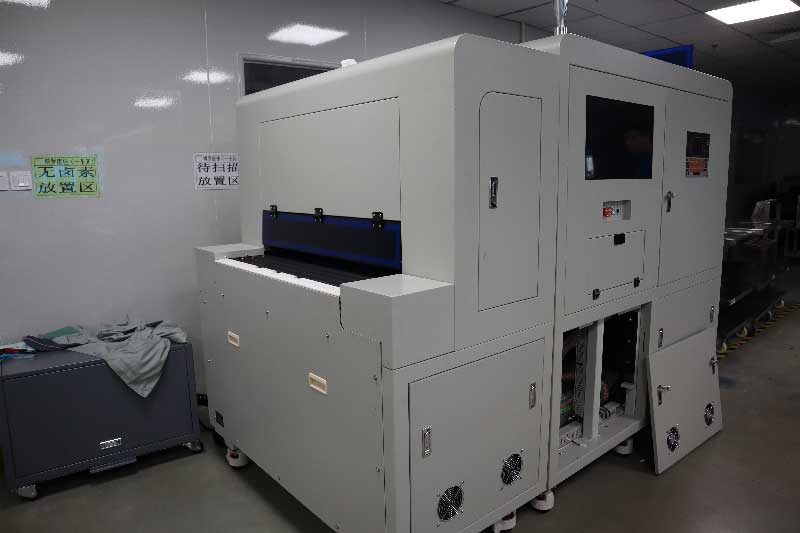
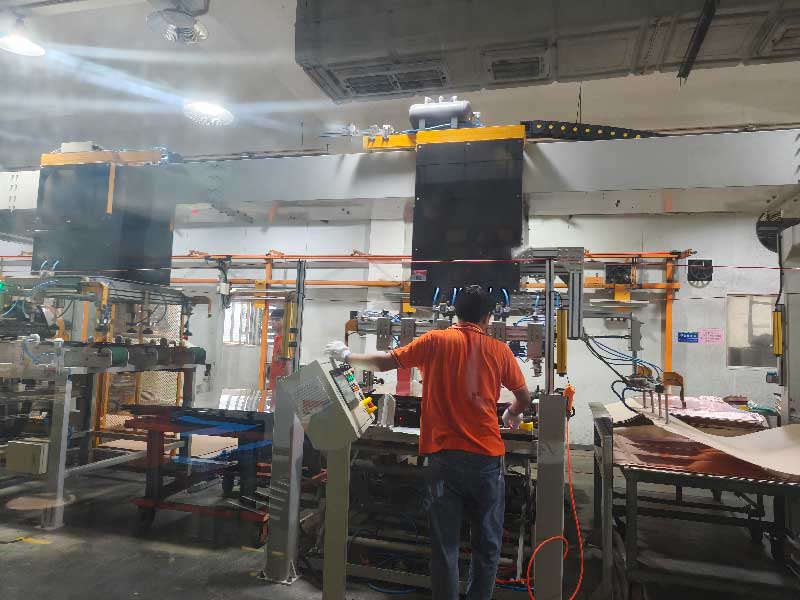
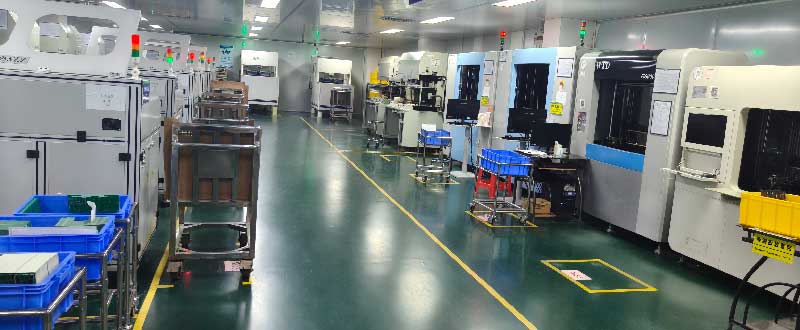
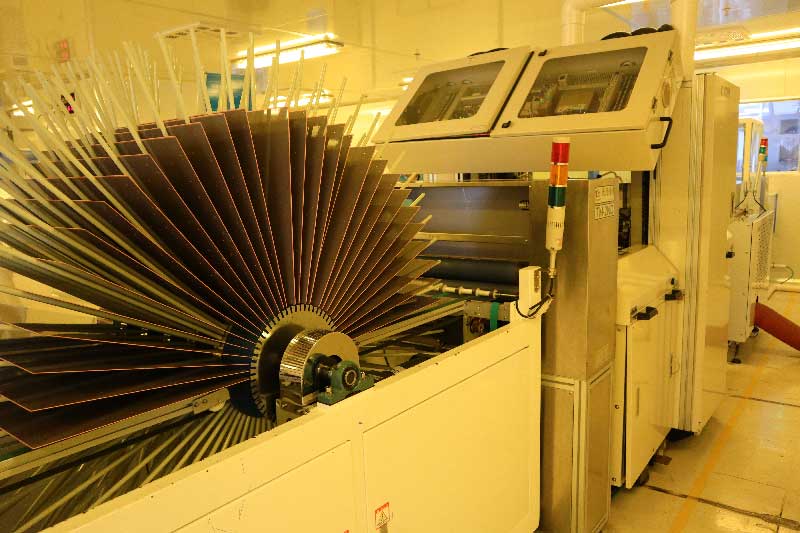
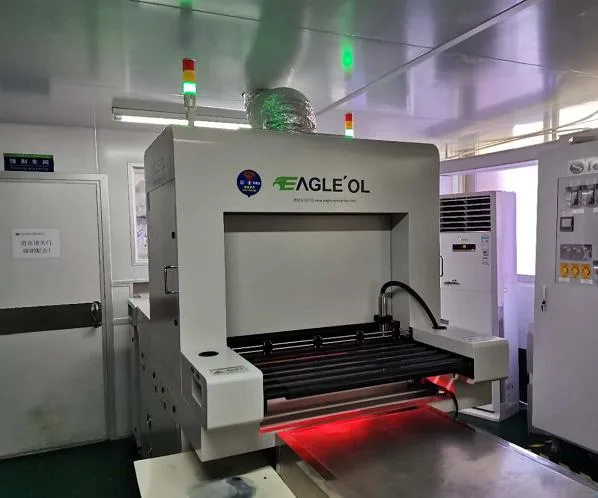
HXD has more than 20 years of experience in multilayer PCB production. We keep investing in the latest manufacturing and inspection machines. We keep our equipment in great shape, including laser direct imaging and high-precision lamination presses. This ensures your boards are perfect every time.

LDI Exposure

LDI Exposure

Etching

Etching

pcb-Inner-AOI

Inner AOI

Innerlayer-Laminating

Innerlayer Laminating

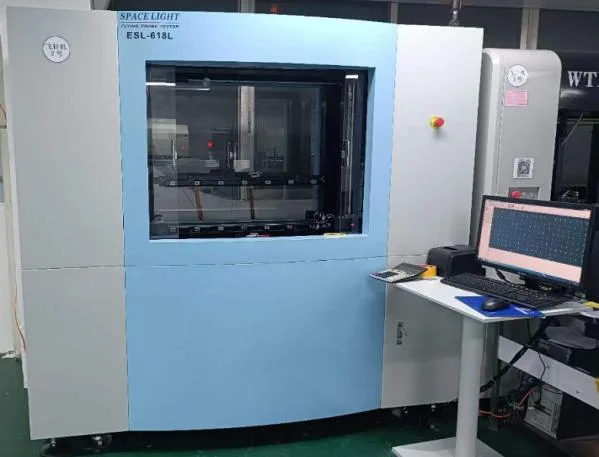
pcb-E-test

E-test

Automatic-Dry-Film-Laminator

Automatic Dry Film Laminator

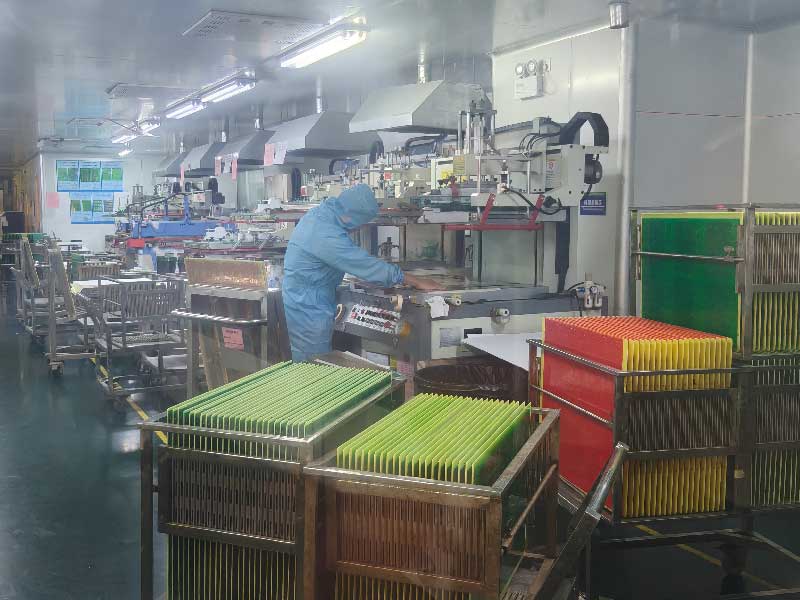
Semi-Auto-Legend-Printing

Semi Auto Legend Printing

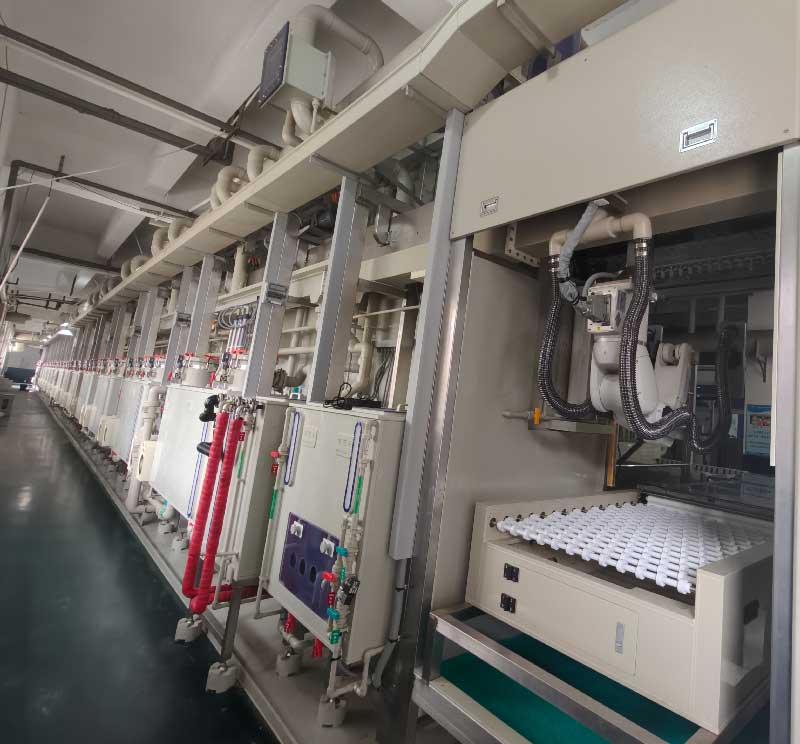
VCP-Plating

VCP Plating

15+
Years Manufacturing Experience
50+
Advanced Production Machines
3,000㎡
Clean-Room Production Area
ISO
9001 · UL · IPC Certified

Quality Assurance

Quality Checks for Reliable PCB Production

We manufacture every  PCB through a structured quality process. This ranges from inner layer inspection to final board verification, ensuring your boards perform exactly as designed.

100% Electrical Testing

100% Electrical Testing

Every board is fully tested for open circuits, short circuits, and net continuity before shipment. We use flying probe or fixture-based testing depending on volume, ensuring zero electrical defects reach your assembly line.

100% Automated Optical Inspection

100% Automated Optical Inspection

High-resolution AOI systems scan the inner and outer layers. They find trace defects, missing pads, solder mask misalignment, and other visual issues. This helps catch problems early, saving money.

100% Micro-sectioning TEST

100% Micro-sectioning TEST

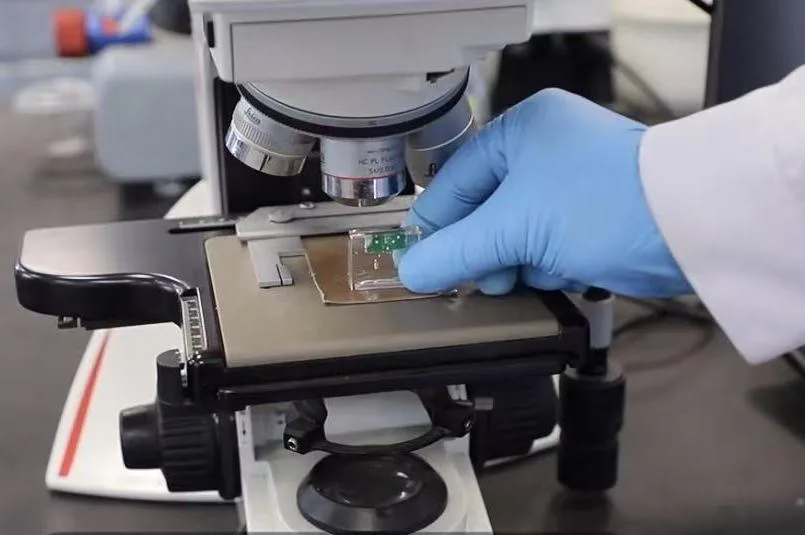
We use micro-sectioning to check the inside of the PCB. By cutting a small sample and viewing it under a microscope, we can inspect via plating, layer alignment, and bonding quality. This helps make sure every board is strong and reliable.

100% Final Quality Control (FQC)

100% Final Quality Control (FQC)

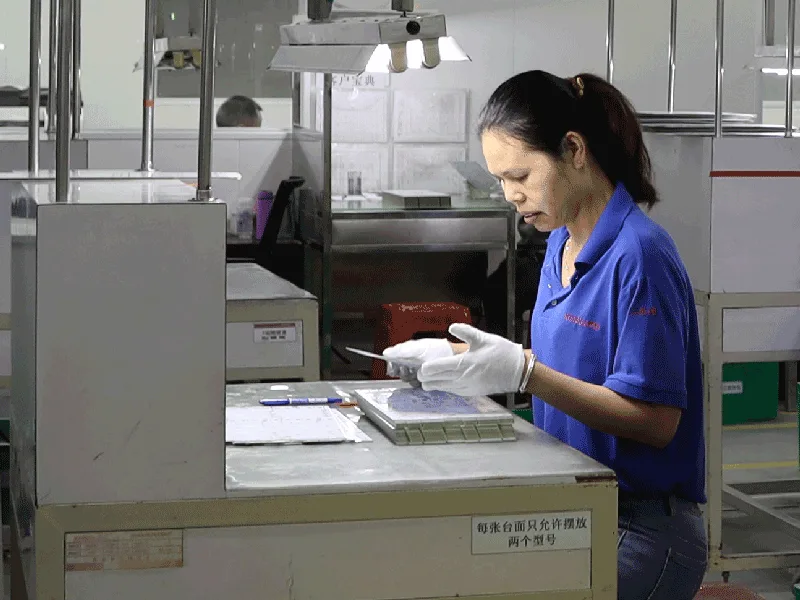
Before packaging, each board gets a detailed final inspection. We check dimensions, surface finish, hole quality, silkscreen accuracy, and overall workmanship. This all meets IPC Class 2 or Class 3 standards.

All quality records are traceable and available upon request. We stand behind every board we ship.

Frequently Asked Questions About PCB Fabrication

What files do I need for a PCB fabrication quote?
You usually need to send Gerber files, drill files, board thickness, material, copper weight, surface finish, quantity, and lead time request. If your board needs controlled impedance, please also send the stackup and impedance requirements.
What PCB types can HXD manufacture?
HXD supports many PCB types, including single-sided PCB, double-sided PCB, multilayer PCB, rigid PCB, flexible PCB, rigid-flex PCB, HDI PCB, heavy copper PCB, aluminum PCB, metal core PCB, high Tg PCB, and PTFE PCB.
Do you support quick turn PCB fabrication?
Yes. HXD supports quick turn PCB fabrication for prototypes and urgent projects. The lead time depends on the board type, layer count, material, copper weight, surface finish, quantity, and testing requirements.
What is the difference between PCB fabrication and PCB assembly?
PCB fabrication means making the bare circuit board. PCB assembly means placing and soldering electronic components onto the board. Fabrication creates the PCB itself, while assembly turns it into a working electronic product.
How do I choose the right PCB material?
The right PCB material depends on your application. FR-4 is common for standard electronics. High Tg FR-4 is better for heat resistance. PTFE is used for high-frequency signals. Aluminum and metal core materials are used for better heat dissipation.
What surface finish should I choose for my PCB?
Common surface finishes include HASL, lead-free HASL, ENIG, OSP, immersion silver, and immersion tin. ENIG is good for fine-pitch components and flat pads. HASL is cost-effective. OSP is simple and suitable for short storage before assembly.
Can HXD help check my PCB design before production?
Yes. HXD can review your Gerber files and key PCB specifications before production. We check items such as line width, spacing, drill size, copper balance, stackup, surface finish, and possible manufacturing risks.
REQUEST A QUOTE

Supported file formats: PDF, DOC, DOCX, TXT, JPG, PNG (Max 2MB)