HXDcircuit

Through-Hole Assembly

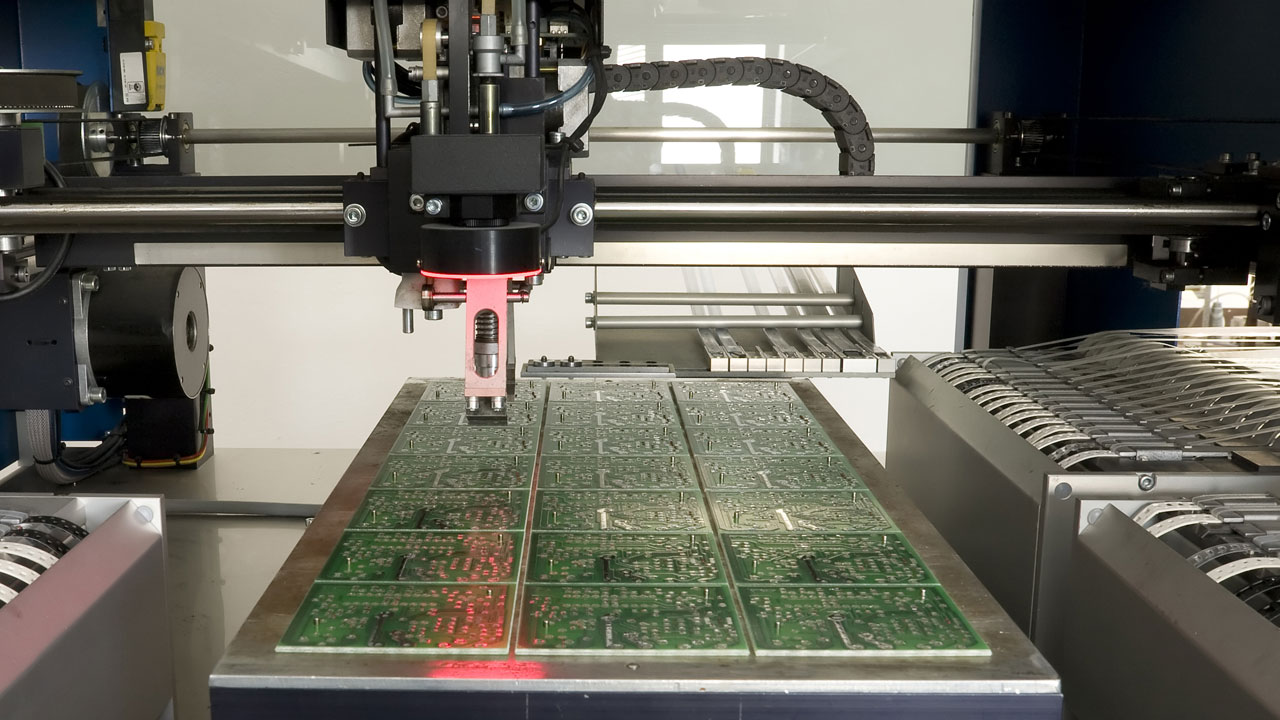
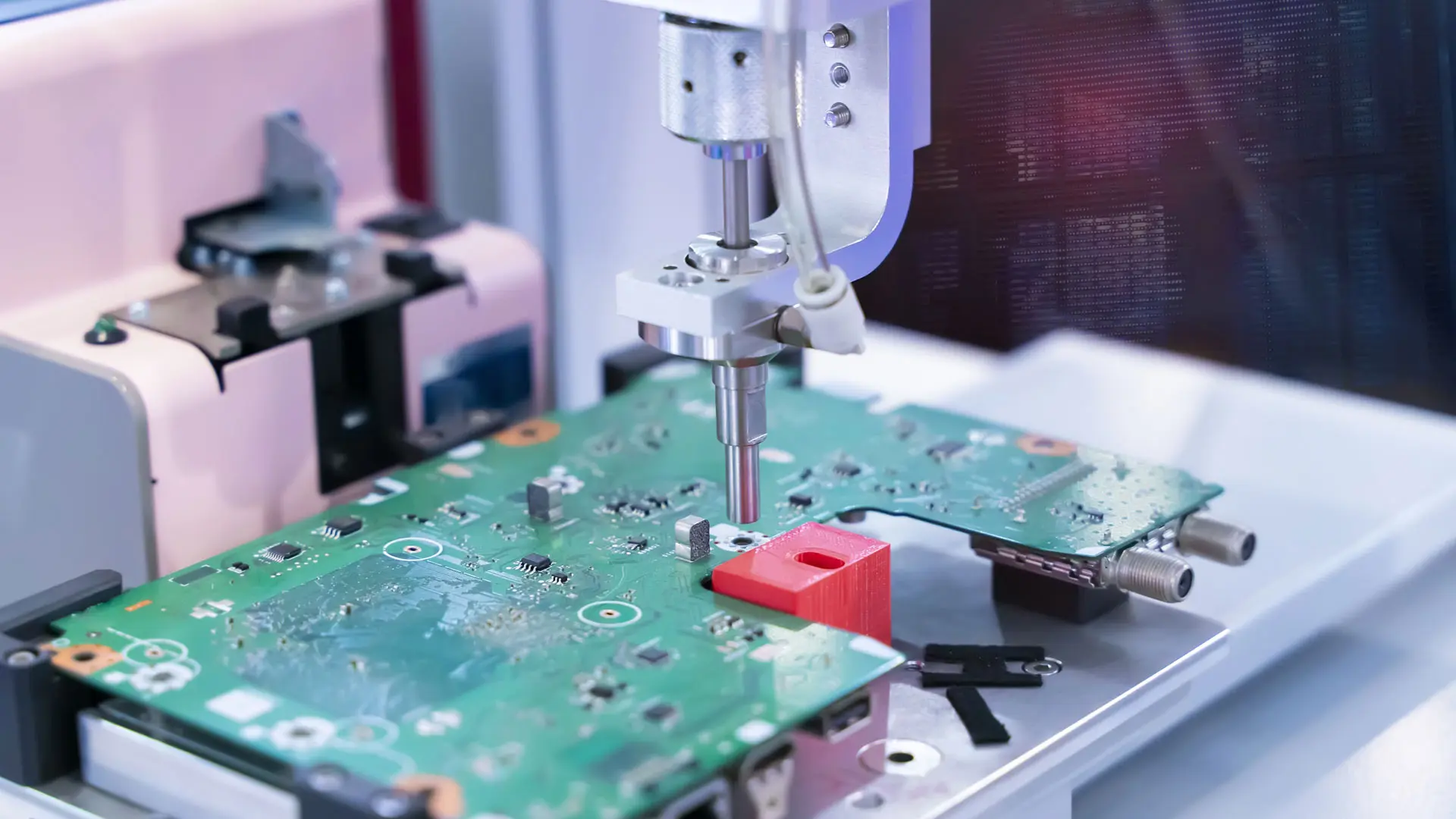
HXD provides reliable through-hole assembly services designed for mechanical strength and long-term performance. With advanced wave soldering, selective soldering, and IPC-compliant processes, we deliver consistent, high-quality PCB assemblies for prototype and production applications.

What is Through-Hole Assembly?

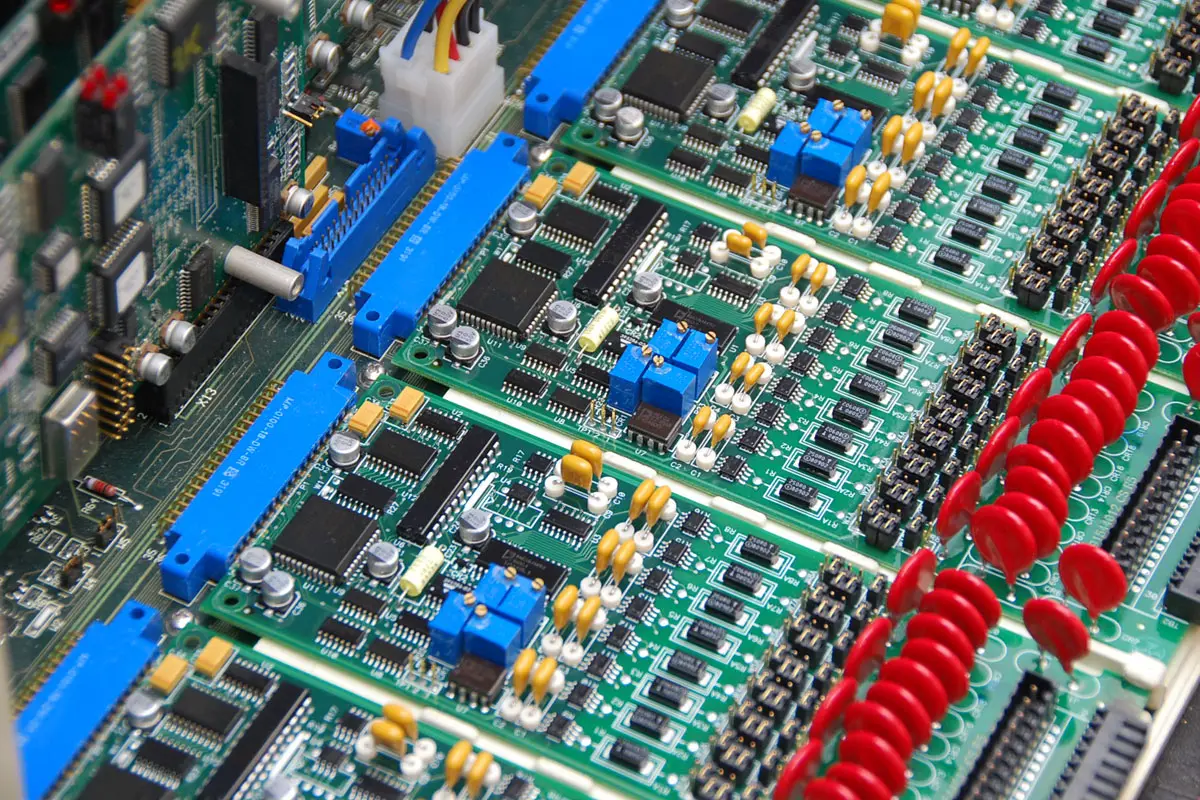
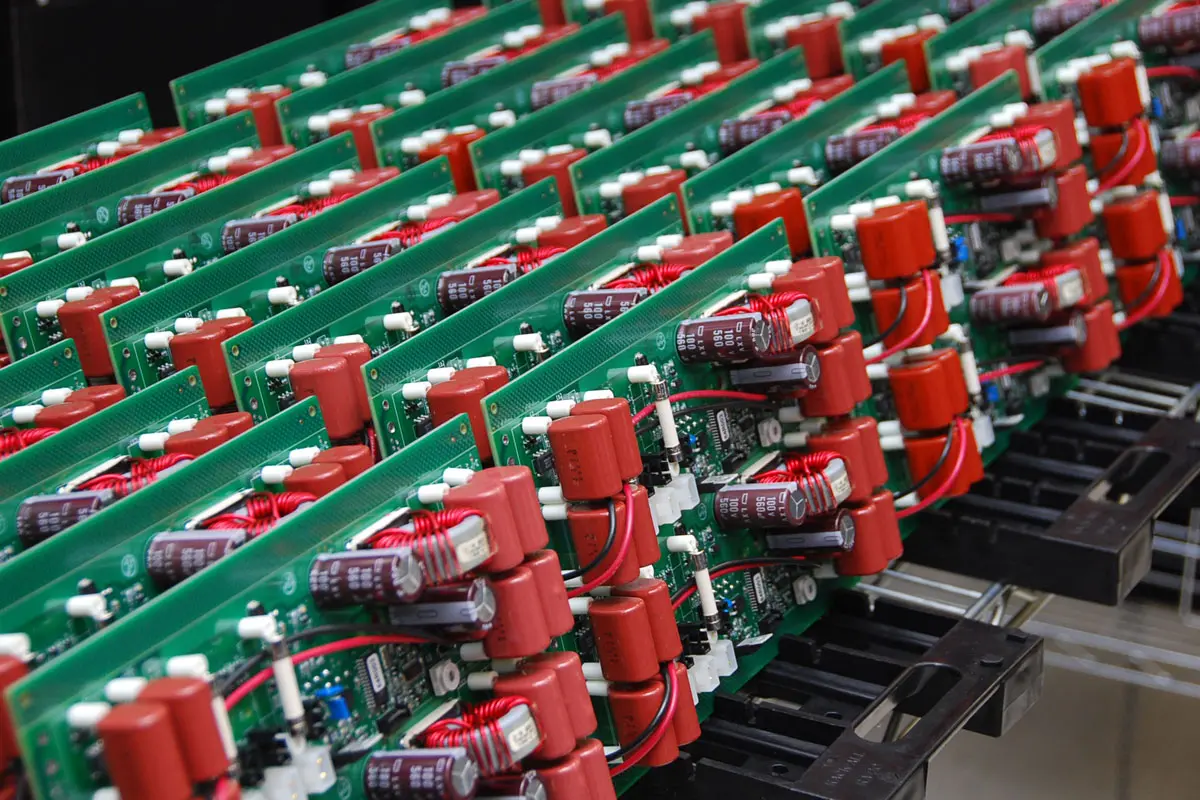
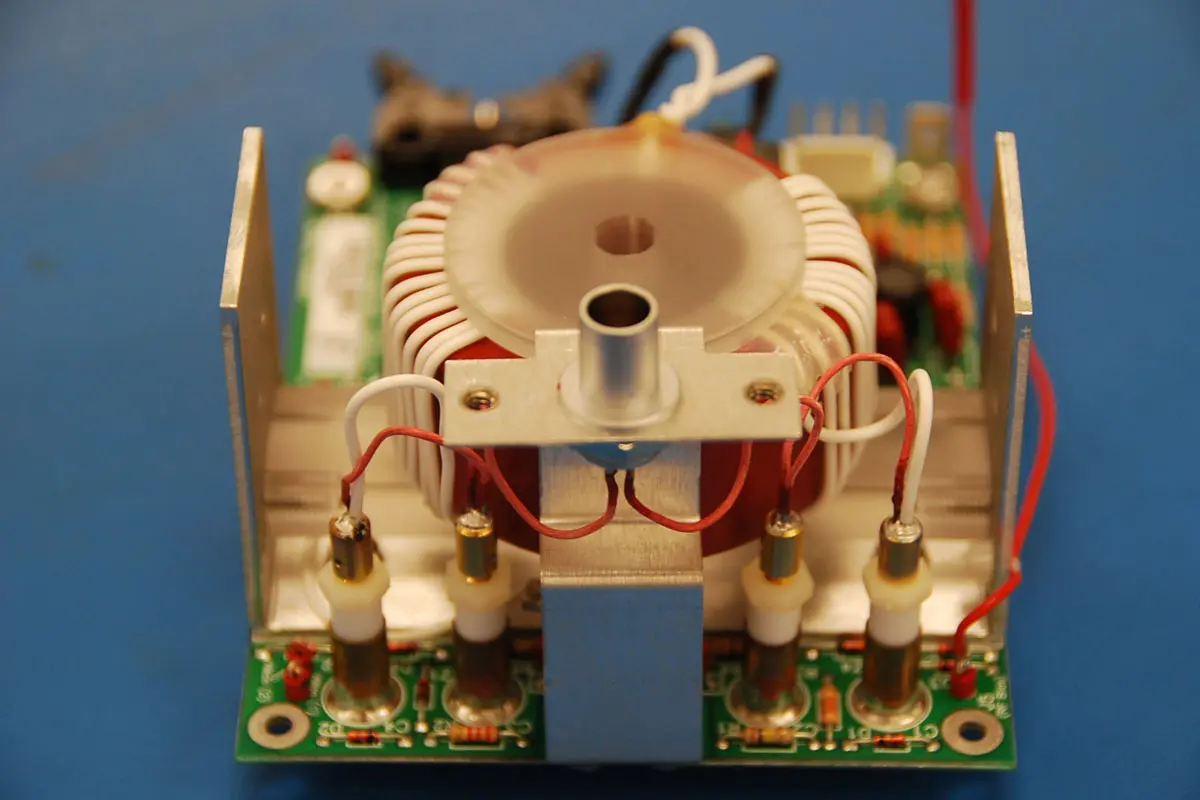
Through-hole assembly is a PCB assembly method where component leads are inserted through drilled holes and soldered to the board. It provides strong mechanical connections and reliable performance for applications requiring durability.
Compared with SMT, through-hole assembly is often used for larger components, high-power devices, and products that need extra strength and long-term reliability. It is widely used in industrial electronics, power systems, and demanding applications.

Through-Hole Components We Handle

Our assembly capabilities cover both single-sided and double-sided PCB designs with flexible soldering options.

  • Axial and radial lead components
  • Connectors and terminal blocks
  • Alternative component evaluation
  • Switches and relays
  • Transformers and inductors
  • Power components and high-current devices
  • LEDs and display components
  • Sockets and mechanical parts
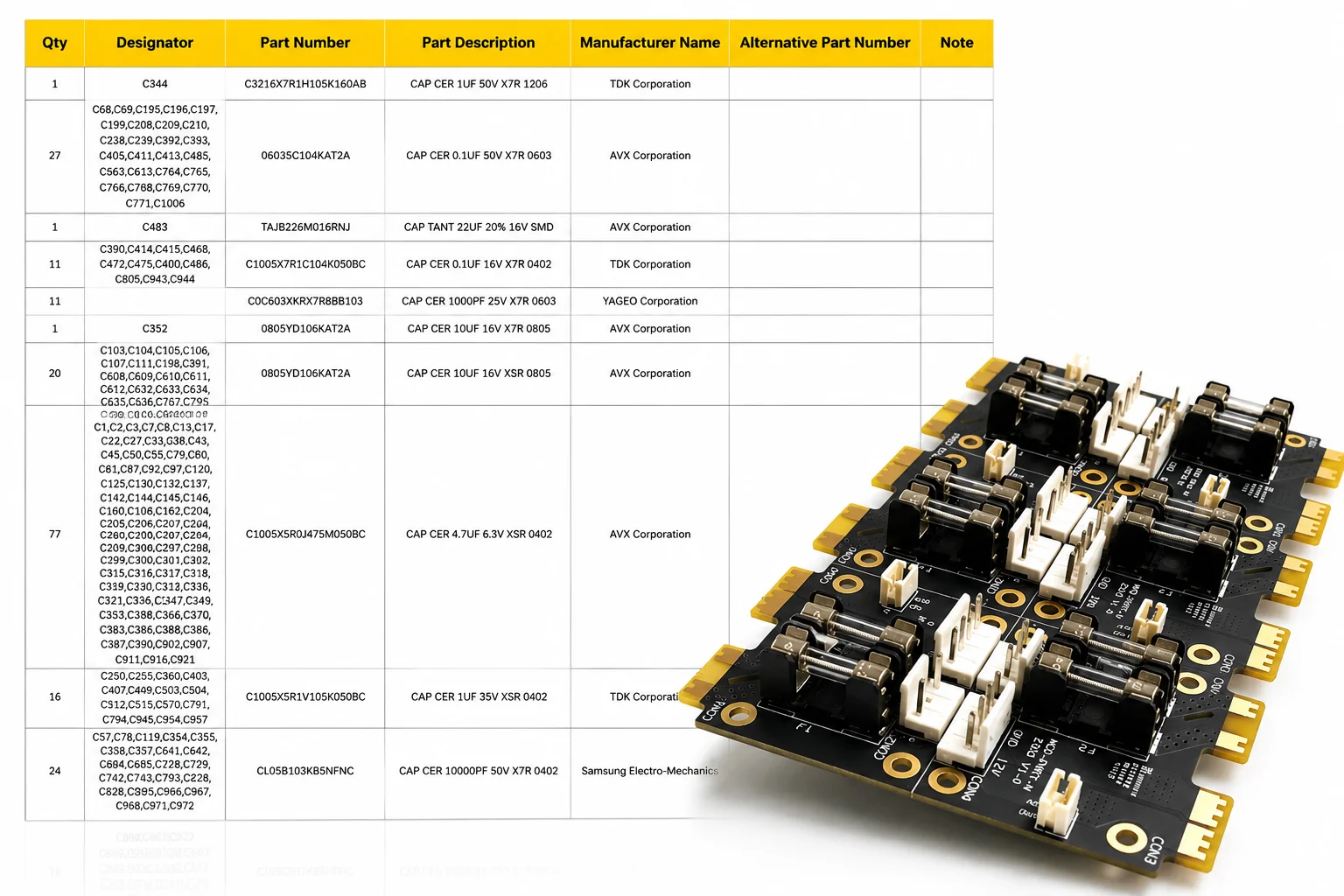
Upload BOM for Review

Through-Hole Assembly Capabilities

HXD supports reliable through-hole assembly with advanced wave soldering, selective soldering, and manual soldering capabilities. Our processes are optimized for different PCB designs, component types, and production requirements.

01

Wave Soldering for Efficient Production

HXD uses automated wave soldering processes to deliver consistent solder joints for medium and high-volume PCB assembly, supporting both lead-free and RoHS-compliant requirements.

02

Selective Soldering for Complex PCBs

Our selective soldering capability enables precise soldering for complex boards, heat-sensitive components, and areas where wave soldering is not suitable.

03

Double-Sided Through-Hole Assembly

HXD supports double-sided through-hole soldering for advanced PCB designs requiring enhanced mechanical strength and reliability.

04

IPC-Compliant Manufacturing

Our through-hole assemblies follow IPC-A-610 and J-STD-001 workmanship requirements to ensure consistent quality and process control.

05

Conformal Coating & Protection

Protective coating solutions help improve PCB durability in environments exposed to moisture, dust, and vibration.

Need Through-Hole Assembly for Your Project?

Send us your inquiry and our sales team will reply with a competitive offer for PCB assembly.

Our portfolio of THT Assembly

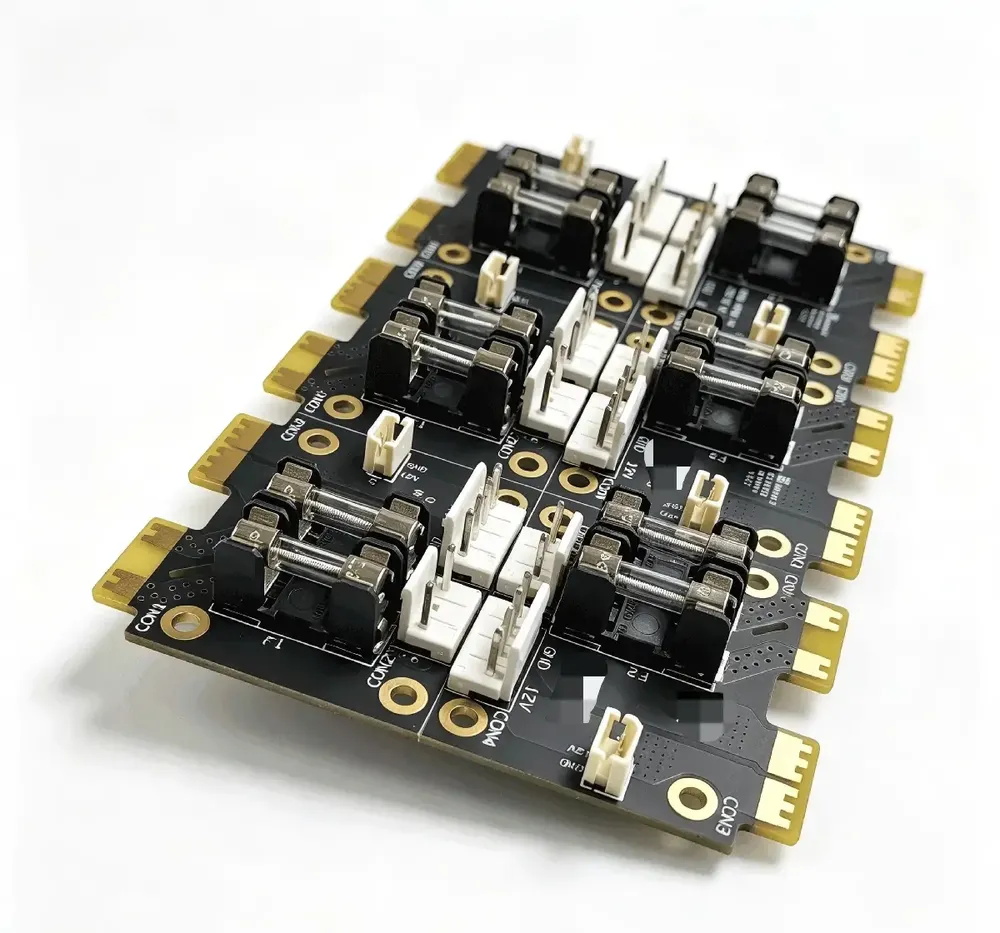
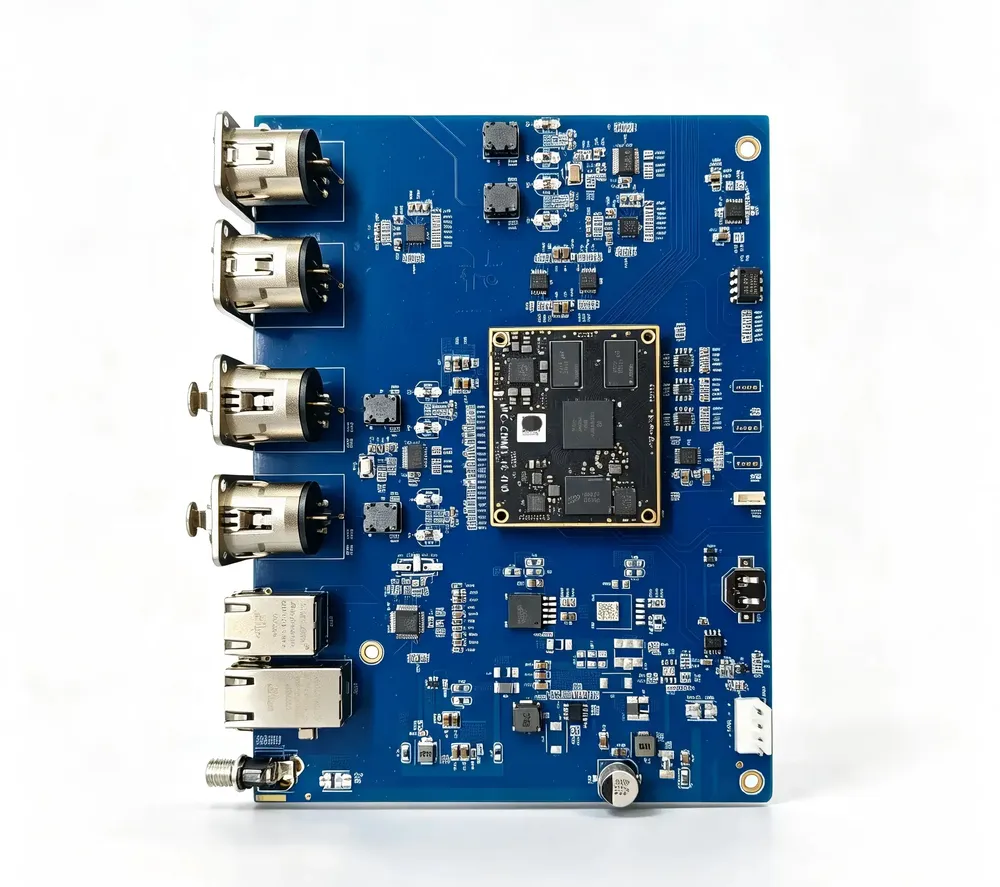
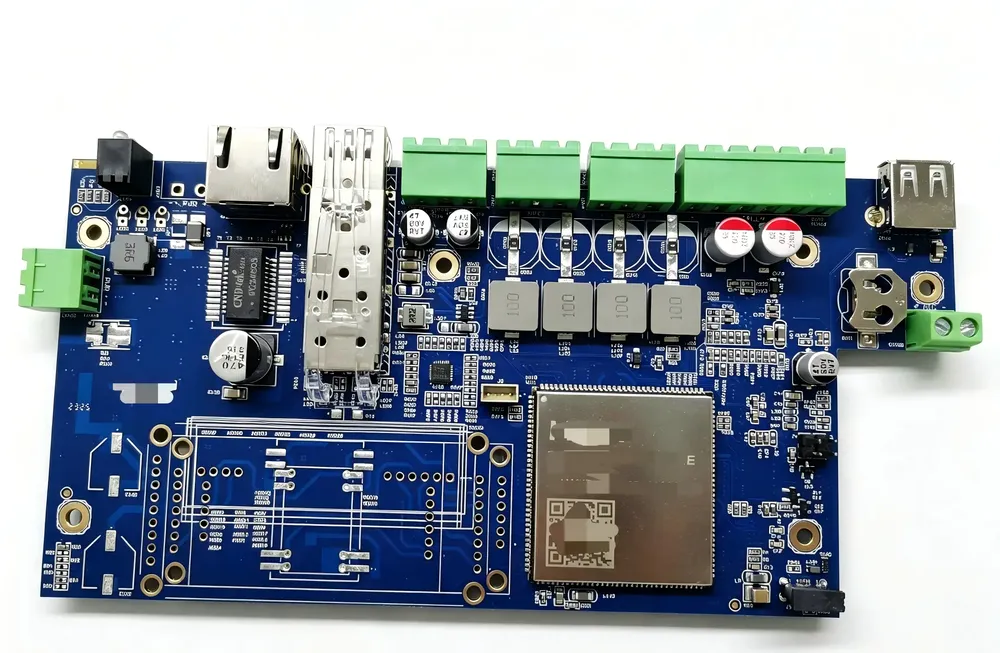
HXD Circuit provides reliable THT assembly services for prototype development, low-volume production, and high-volume manufacturing.

pcb-assembly-mixd
pcb-assembly-communication
throuth-hole-assembly-portfolio-4.jpg
hxd-pcb-assembly
hxd-through-hole-assembly-portfolio-1.jpg
thru-hole-assembly-portfolio-3.jpg

Frequently Asked Questions

When should I choose through-hole assembly instead of SMT?
Through-hole assembly is suitable when components require greater mechanical strength, higher power handling or better resistance to vibration and physical stress. SMT is generally preferred for compact, high-density designs, while many products use a combination of both technologies.
Does HXD support both manual and automated through-hole assembly?
Yes. HXD selects manual insertion, automated insertion, wave soldering or selective soldering according to the component type, board design, production volume and quality requirements of each project.
Can you assemble PCBs with both SMT and through-hole components?
Yes. HXD supports mixed-technology PCB assembly combining SMT and through-hole components. The production sequence is planned according to component layout, soldering requirements and inspection needs.
How do you inspect through-hole solder joints?
Inspection may include visual inspection, AOI where applicable, solder-joint evaluation, continuity testing, in-circuit testing and functional testing. The inspection plan is selected according to the board design, product risk and customer requirements.
What affects the lead time and cost of through-hole PCB assembly?
The main factors include order quantity, number of through-hole components, manual insertion requirements, lead forming, selective or wave soldering, component availability and testing complexity. Providing complete production files helps us prepare a more accurate quotation and lead-time estimate.
REQUEST A QUOTE

Supported file formats: PDF, DOC, DOCX, TXT, JPG, PNG (Max 2MB)