
The Comprehensive Guide to FR-4 PCB: Properties, Types, and Material Selection
 steve ran

What is FR-4 Material?
FR-4 is the most widely used substrate material for printed circuit boards.The “FR” stands for Flame Retardant, meaning the material meets the UL94 V-0 standard.It is self-extinguishing and will not support a fire. The “4” refers to the specific grade of glass-reinforced epoxy resin.
FR-4 is a composite material made of three key components:
- Fiberglass Cloth: Provides mechanical strength and structural support to keep the board rigid.
- Epoxy Resin:As an epoxy resin binder, it binds the fiberglass cloth together and provides excellent electrical insulation properties
- Flame Retardants: Typically containing bromine or other additives, they prevent the material from catching fire at high temperatures
Standard FR-4 typically consists of approximately 60% fiberglass and 40% epoxy resin.
Key Properties of FR4 Material
Dielectric Constant (Dk)
The Dielectric Constant measures a material’s ability to store electrical energy within an electric field.Signals travel fastest in a vacuum (where Dk = 1). In PCB materials like FR-4, signals move slower than the speed of light. The Dk value directly affects this signal speed:
- Higher Dk: Slower signal propagation.
- Lower Dk: Faster signal propagation.
Standard FR-4 materials typically have a Dk between 3.8 and 4.8.However, this value is not fixed. It depends on several factors:
- Glass weave style
- Resin content
- Laminate thickness
- Copper foil roughness
Dk also changes with frequency: Dk usually decreases as frequency increases.For example, some FR-4 grades have a Dk of 4.7 at 1 MHz, and a Dk of 3.8–4.0 at 10 GHz.
Tg (Glass Transition Temperature)
Tg is a key physical parameter for measuring the thermal stability of PCB substrates.When the temperature reaches or exceeds Tg point, the PCB substrate starts to soften and lose its shape.
This leads to a significant decline in both mechanical strength and electrical performance (such as insulation).
Thermal Conductivity of FR4
FR-4 has much lower thermal conductivity than other substrate materials, such as aluminum substrates (around 200 W/m·K) or ceramic substrates (20–200 W/m·K).It shows a significant difference in thermal conductivity between directions:
- Vertical (Through-plane): The ability to move heat through the thickness of the board is lowest, with typical values between 0.29 and 0.5 W/(m·K).
- Horizontal (In-plane): Because the continuous fiberglass cloth helps conduct heat, this direction is more efficient, typically ranging from 0.81 to 1.059 W/(m·K).
Because FR-4 dissipates heat slowly, thermal energy often builds up directly under components. These “hot spots” can degrade component performance or lead to total PCB failure.To compensate for FR-4’s low thermal conductivity, engineers commonly use thermal vias, thicker copper foils, heat sinks, or metal-core PCBs (MCPCB) to improve overall heat dissipation.
Density of FR4
The density of FR-4 laminates typically ranges from 1.85 g/cm³ to 2.05 g/cm³. A typical average value of 1.9 g/cm³ is used for PCB weight calculations.Despite its low density, FR-4 provides excellent mechanical support. Its composite structure—combining woven fiberglass with epoxy resin—allows the board to remain lightweight without sacrificing durability or strength.This lightweight property makes FR‑4 an ideal material for portable consumer electronics, including smartphones and wearable devices.
Moisture Absorption rate of FR4
FR‑4 has very low moisture absorption.Typically,the weight increase after 24 hours of water immersion is only about 0.10%.While the absorption rate is generally low, it can vary slightly between different high-performance materials.For example, Isola 370HR has a moisture absorption rate of about 0.15%, while Nelco N4000-13 is around 0.10%.Because of its excellent moisture resistance, FR-4 is the standard choice for high-humidity applications,such as marine applications (e.g., ship engine rooms) and various industrial settings.
Types of FR-4 Materials
| Dielectric Material / Laminate Model | Glass transition temperature (Tg) (°C) | Decomposition temperature (Td) (°C) | Dielectric constant (Dk) @ 10GHz | Dissipation factor (Df) @ 10 GHz | Moisture Absorption (%) | Application Areas |
|---|---|---|---|---|---|---|
| VT-47 (Ventec) | 180 | 355 | 3.65 ~ 4.25 | 0.016 ~ 0.019 | 0.12 | Computers, communication equipment, instrumentation, precision devices, servers, routers, automotive, medical, etc. |
| IT-158 (ITEQ) | 155 | 345 | 4.0 (50% resin content) | 0.019 (50% resin content) | 0.08 | PCs and laptops, memory modules, gaming consoles, multilayer PCBs, automotive, servers, networking, telecommunications, heavy copper applications |
| IT-180A (ITEQ) | 175 | 345 | 4.0 | 0.016 ~ 0.017 | 0.12 | Multilayer and high-layer-count PCBs, automotive, backplanes, servers, networking, telecommunications, data storage, heavy copper applications |
| N4000-13 (Nelco) | 210 | 350 | 3.6 (50% resin content) | 0.009 (50% resin content) | 0.10 | Fine-line multilayer PCBs, backplanes, SMT multilayer boards, BGA multilayer boards, MCM-Ls, wireless communication infrastructure, high-speed storage networks |
| N4000-13 SI (Nelco) | 210 | 350 | 3.2 (50% resin content) | 0.008 (50% resin content) | 0.10 | Same as above, especially suitable for applications requiring extremely high signal integrity and precise impedance control |
| S1170 (Shengyi) | 175 | 335 | – | – | 0.10 | High-layer-count PCBs, widely used in computers, communication equipment, high-end instruments, routers, etc. |
| FR406 (Isola) | 170 | 300 | 3.92 | 0.0172 | 0.20 | Multilayer PCB industry, standard FR-4 process-compatible applications |
| FR408 (Isola) | 180 | 360 | 3.65 | 0.0125 | 0.15 | High-performance advanced circuit applications, broadband circuit design (requiring high-speed signals or high signal integrity) |
| S1141 (Shengyi) | 140 | 310 | – | – | 0.15 | Computers, instrumentation, VCRs, communication equipment, video game consoles, automotive electronics, aerospace, etc. |
FR-4 laminates are categorized into different grades based on performance and target industries:
- A1: The highest performance level. It is the standard choice for military-grade equipment, telecommunications, and automotive electronics.
- A2: Designed for high-reliability industrial and consumer use, including computers, advanced home appliances, and general instrumentation.
- A3 & A4: Highly cost-effective materials. These are ideal for standard consumer electronics such as toys, calculators, and gaming consoles.
- B: An entry-level material with lower stability. It is only recommended for small, basic products with minimal performance requirements.
FR-4 vs Other PCB Materials
In PCB manufacturing, FR-4 is the industry standard for most printed circuit boards.However, for high-frequency, high-power, or extreme environments, engineers often select substrates with enhanced performance characteristics.Below is a comparison between FR-4 and other common PCB materials.
FR4 vs Rogers
| Features | FR-4 | Rogers |
|---|---|---|
| Signal Loss (Df) | High (~0.020) | Very Low (~0.004) |
| Dk Stability | Poor (10% tolerance) | Excellent (<2% tolerance) |
| Thermal Performance (TCDk) | High Fluctuation (200 ppm/°C) | Highly Stable (40 ppm/°C) |
| Moisture Absorption | Low (~0.10%) | Very Low (Superior) |
| Cost | Lowest | Very High |
| Operating Frequency | Recommended below 1GHz | Supports 1GHz+ and Microwave-grade |
FR4 vs Polyimide
| Features | FR-4 | Polyimide |
|---|---|---|
| Material Properties | Rigid (Laminate) | Flexible (High-Performance Polymer) |
| Typical Tg Value | 130°C – 180°C | ~250°C |
| Heat Resistance | Moderate | Very High |
| Application Form | Rigid PCB Mainboards | Flexible PCB (FPC), Rigid-Flex Boards |
| Manufacturing Cost | Low (Industry Standard) | High |
| Primary Applications | Computers, Smartphones, Home Appliances | Aerospace, Medical, Foldable Displays, Military |
How to Choose?
Cost First
For standard applications with frequencies below 1 GHz and low heat generation, FR-4 is always the most cost-effective choice. It offers the best balance of performance and price for general electronics.
Signal Integrity and High Speed
If you are working on high-speed designs (typically 8 layers or more) or RF (Radio Frequency) applications, you should consider:
- High-Tg FR-4: For better thermal stability.
- Hybrid Stackups: Combining standard FR-4 with high-frequency materials (like Rogers) to optimize performance and cost.
Extreme Environments
For high power or very high temperature environments, use metal core PCBs or ceramic substrates.
FR-4 PCB Manufacturing Capabilities
Layer Count:FR-4 can be manufactured as single-sided, double-sided, or complex multilayer boards. Our advanced production facilities support designs up to 48 layers.
Thickness Range:The industry standard thickness is 1.57 mm (0.062”). FR-4 boards can be manufactured in a wide range of thicknesses, typically from 0.127 mm to 3.175 mm (0.005″ to 0.125″).
Machining and Processing:FR-4 can be processed with standard equipment, including CNC milling, routing, and turning.
At HXD,We focus on high-quality FR-4 PCB manufacturing. Our capabilities range from standard double-sided boards to advanced multi-layer designs. Whether you need a simple prototype or a complex high-density interconnect (HDI) board, we deliver precision and reliability for every project.
| Feature | Capability |
| Material | Tg140 FR-4,Tg150 FR-4,Tg170 FR-4,Tg150 FR-4 (Halogen-free), Tg170 FR-4 (Halogen-free) |
| Min. Track/Spacing | 2mil |
| Min. Hole Size | 0.15mm |
| Finished Cooper | 0.5-13oz |
| Board Thickness | 0.2-6mm |
| Surface Finishing | HASL lead free,Immersion gold, OSP, Hard Gold,Immersion SIlver,Enepig |
| Solder Mask | Green, Red, Yellow, Blue, Matte Black, Matte green,White, Black, Purple, |
| Silkscreen | Black,White |
| Via Process | Vias not covered,Tenting Vias,Plugged Vias |
| Testing | Fly Probe Testing (Free) and A.O.I. testing |
| Build time | 7-12days |
Conclusion
Because of its excellent cost-to-performance ratio, FR-4 remains the most popular substrate choice worldwide. By using “Hybrid” stackups—combining FR-4 with high-frequency specialized materials—designers can achieve superior signal integrity without a massive increase in cost. This trend is fundamentally changing how high-speed digital circuits are developed.
If you are looking for the best way to balance cost and performance, or if you need a material evaluation for a specific project, the HXD engineering team is ready to help.
HXD FR4 PCBS
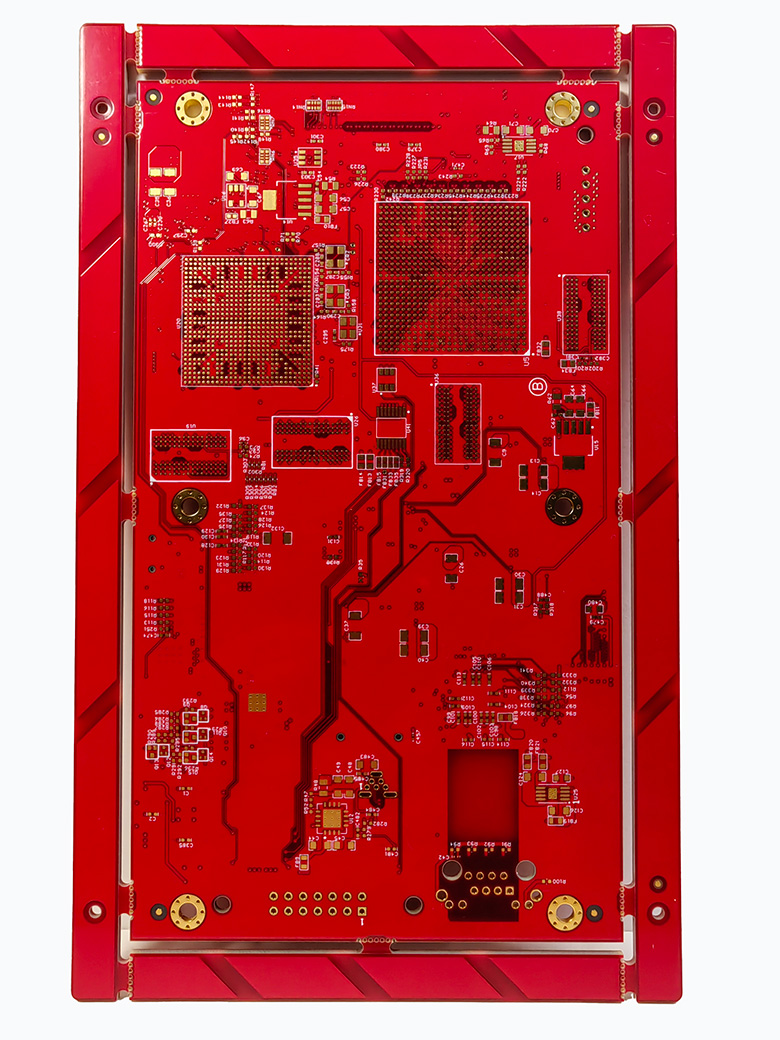
12Layer FR4 ISOLA 370HR Tg170
Reliable Supply of ISOLA 370HR (Tg170),Industrial-Grade 12-Layer Stack-Up,High-Precision Conductive Performance
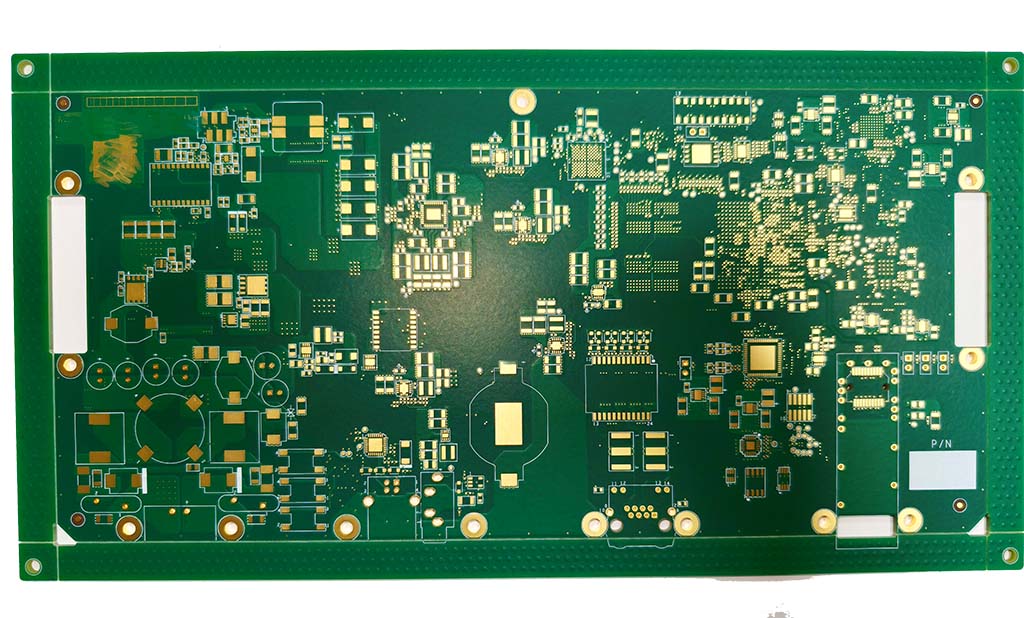
14Layer with FR4 Tg180
Designed for complex, high-speed broadcasting systems requiring multi-layer signal integrity and stable performance.
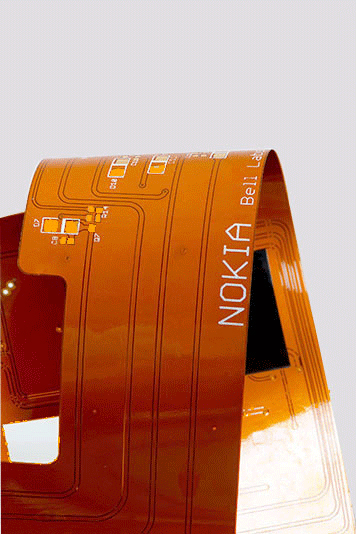
2Layer with 1.2mm FR4 stiffener
Provides local reinforcement for connectors or high-stress areas while maintaining overall board flexibility.
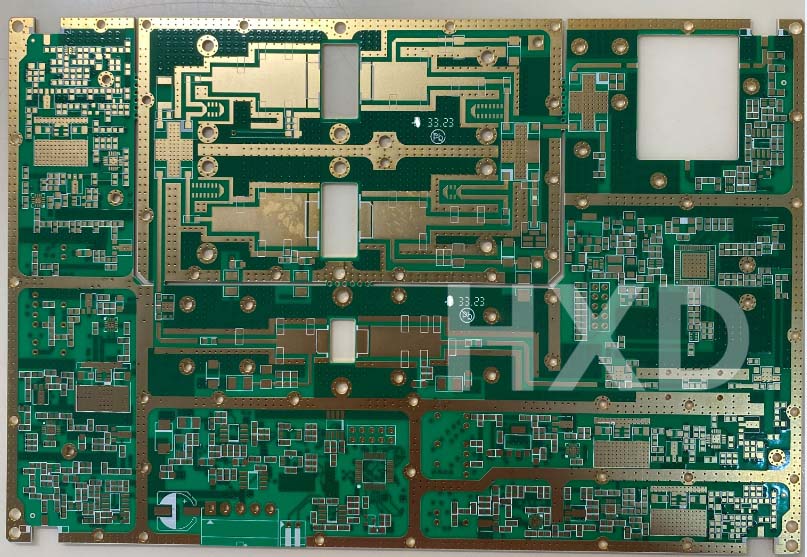
4Layer Rogers4350+FR4 with Hybrid Laminating PCB
Rogers 4350 for RF layers + FR4 for structural layers, delivering high-frequency performance with lower material cost
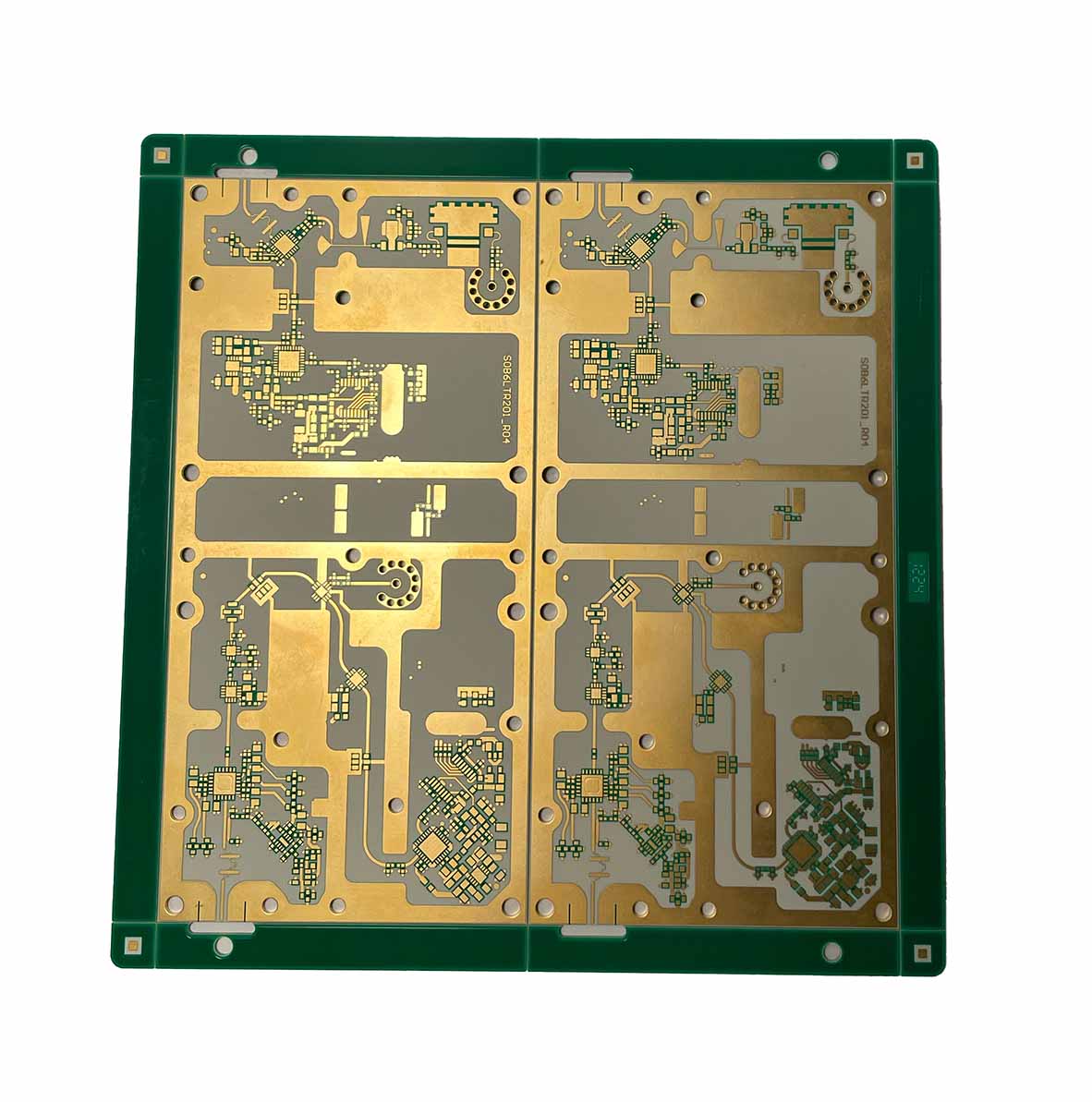
4Layer with Rogers+FR4 Hybrid Board+Copper Coin Buried
Hybrid Material: FR4 Tg170 + Rogers 4350,4-Layer Rigid Structure for Broadcasting Applications,High-Precision PCB Capability
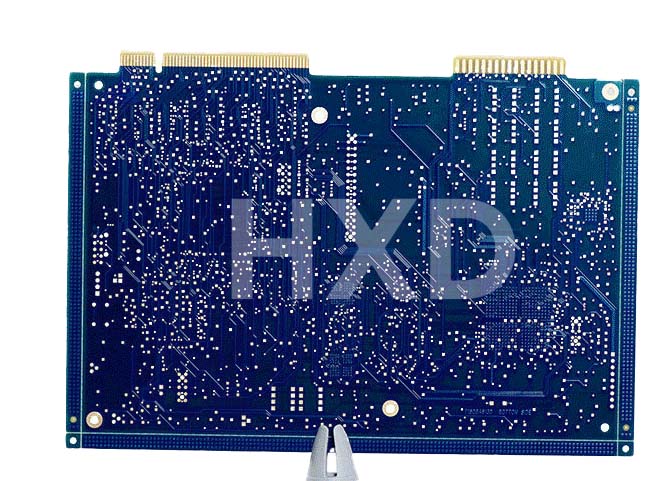
8Layer FR4 Tg170
Our hard gold fingers are plated with a thick 40μ of gold, specifically designed to withstand thousands of mating cycles without wear, ensuring long-term reliability.
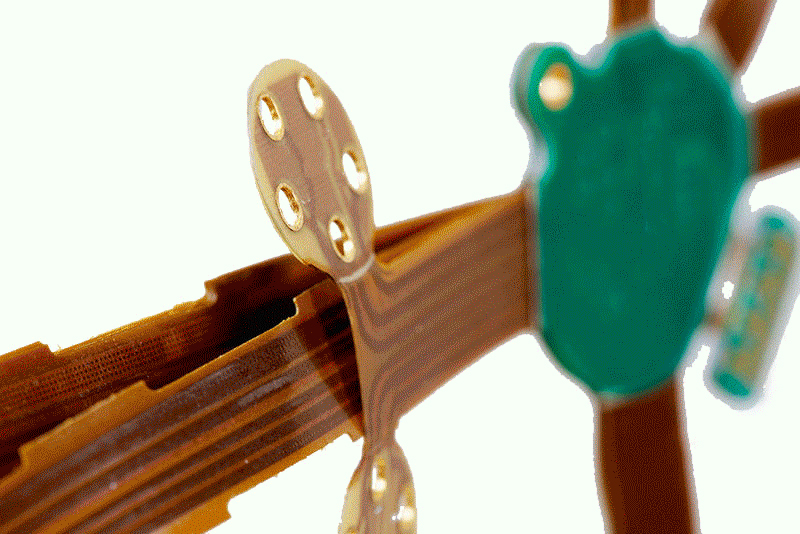
10 layer HDI Rigid-flex PCB
Advanced 10-Layer Rigid-Flex Stackup (FR4 + PI) Supports compact medical equipment designs while ensuring long-term bending reliability.
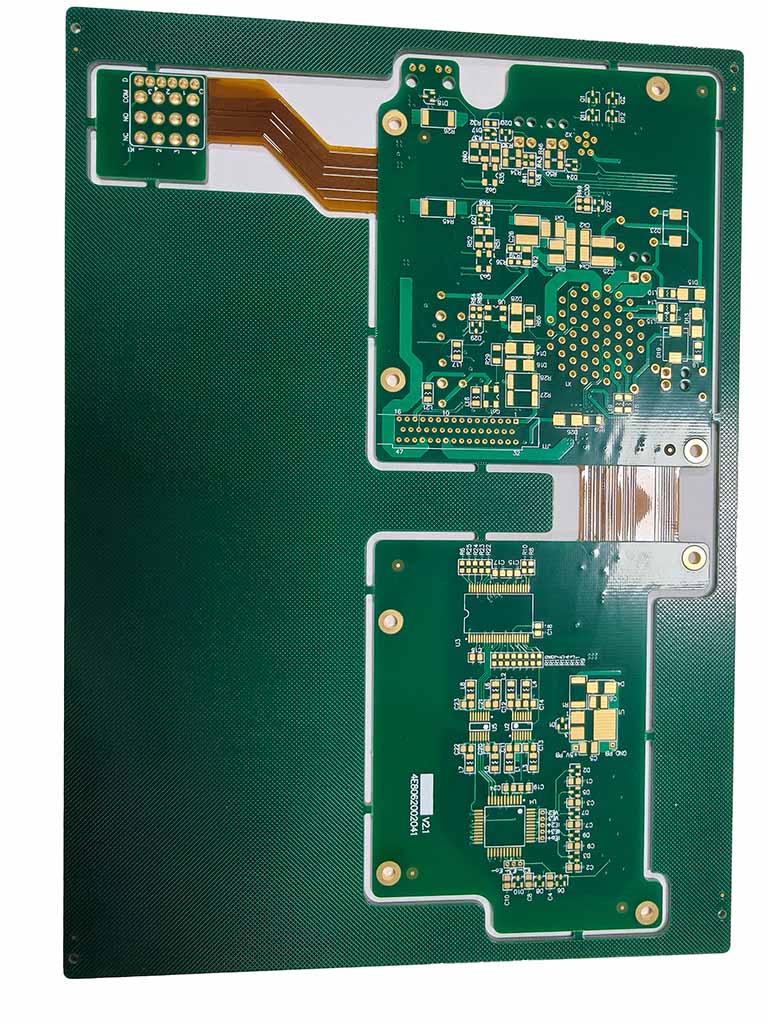
8Layer Rigid-flex PCB with Dupont AP8535R and Arlon 49N
Advanced 8-Layer Rigid-Flex Stackup,hybrid Laminating Expertise
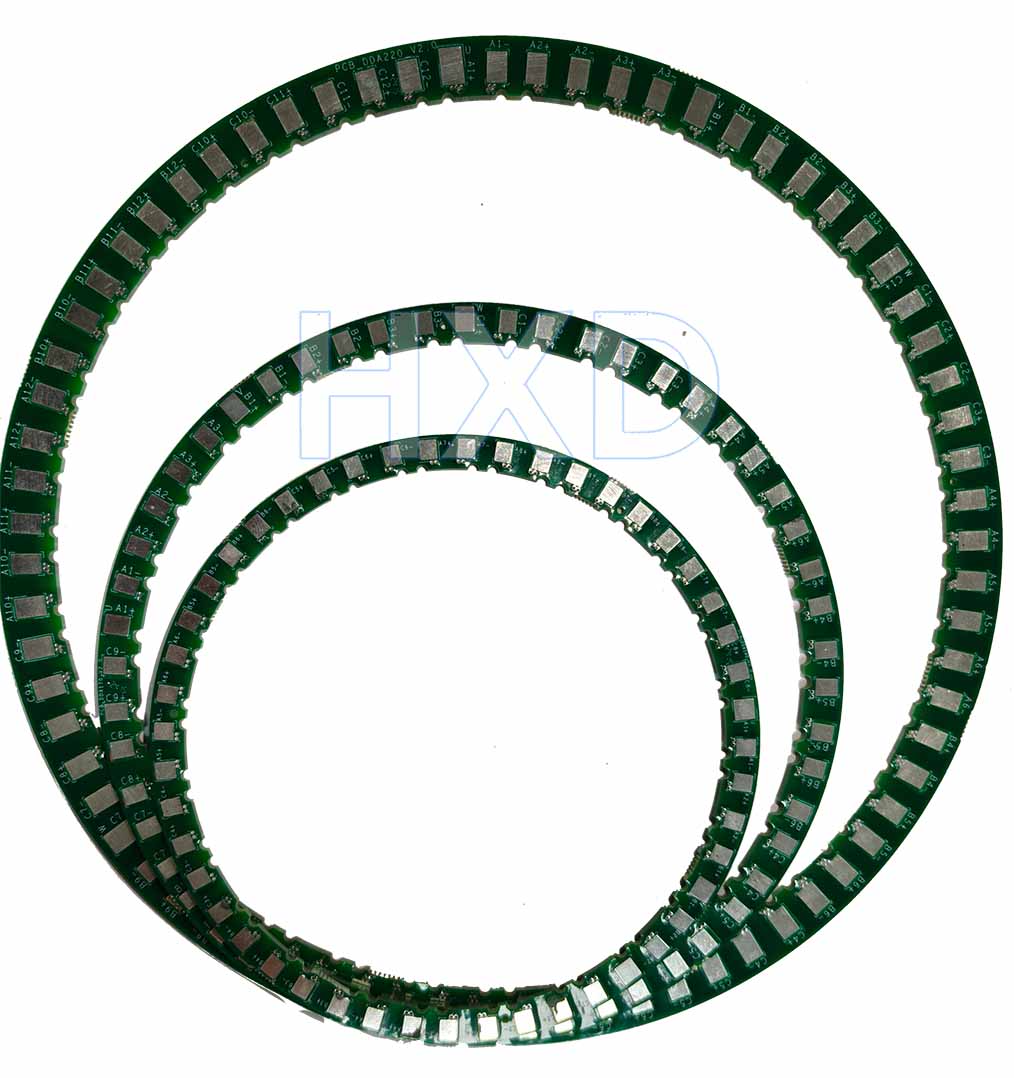
6Layer roud PCB with long routing
Our 6-layer round PCB combines a complex circular shape with high-density 4/4mil track
written by
steve ran
Senior Layout Manager