


Leaded HASL vs Lead-free HASL
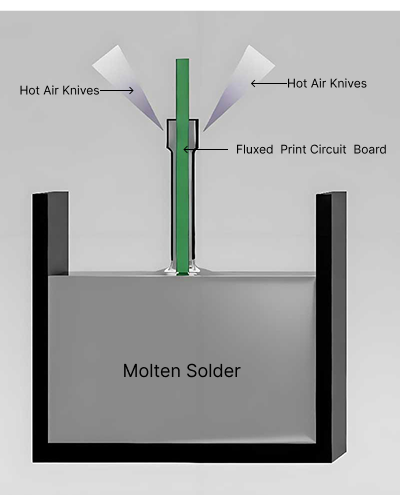
Whether using leaded or lead-free solder, the HASL process follows the same core principle.The main differences between Leaded and Lead-free are the chemical composition, environmental standards, and the heat required during processing.
| Features | Leaded | Lead-Free |
| Alloy Composition | 63% Sn / 37% Pb | 99.3% Sn / 0.6% Cu |
| RoHS | Non-compliant | Compliant |
| Melting Point | Lower | Higher |
Lead-free HASL uses alloys with a higher melting point than traditional leaded solder. Because the process is hotter, the PCB must be able to handle the extra heat.
Therefore, we recommend using high-temperature laminates (high-Tg materials) for lead-free HASL. This prevents the board from warping or damaging during production.
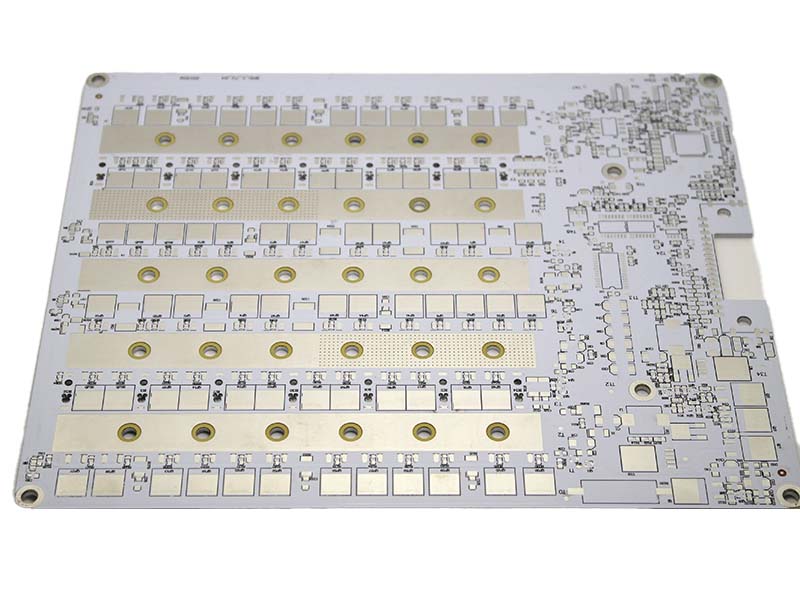
Although lead-free HASL provides better flatness, it is not ideal for very small SMDs (0805 and below) or fine-pitch components.