
0.075mm
Min. Line/Space
0.15 mm
Min. Drill
±5%
Controlled Impedance
Free
DFM Review
PCB Certifications







FR4 PCB PRODUCTS
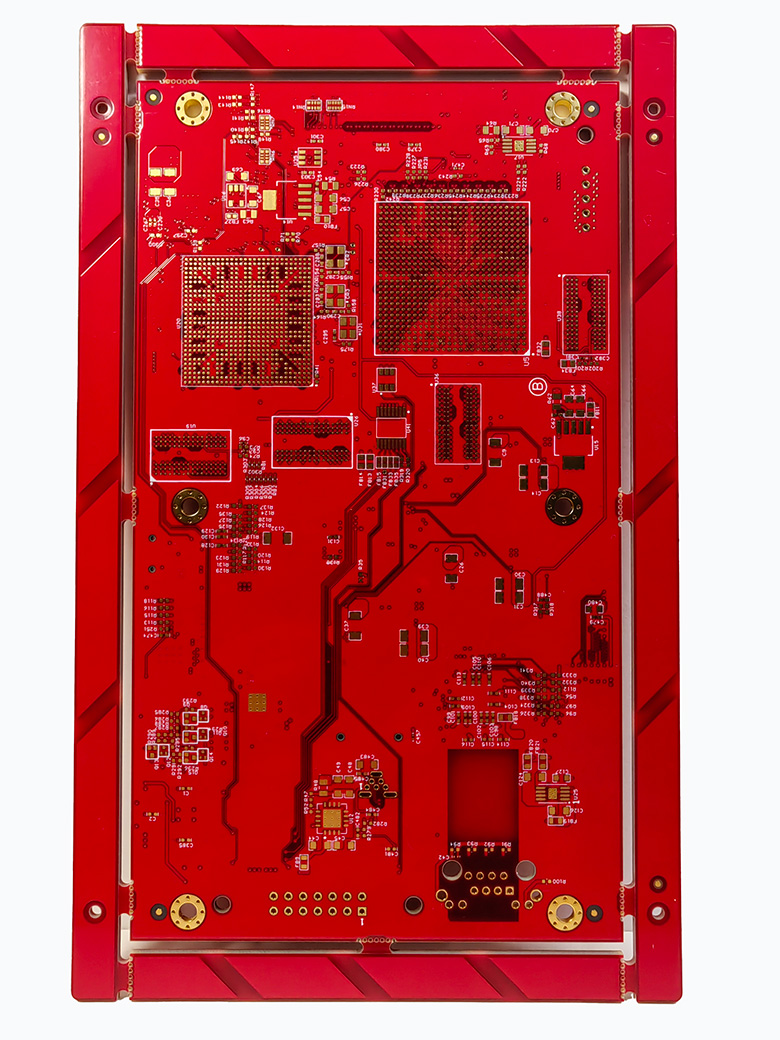
12Layer FR4 ISOLA 370HR Tg170
Reliable Supply of ISOLA 370HR (Tg170),Industrial-Grade 12-Layer Stack-Up,High-Precision Conductive Performance
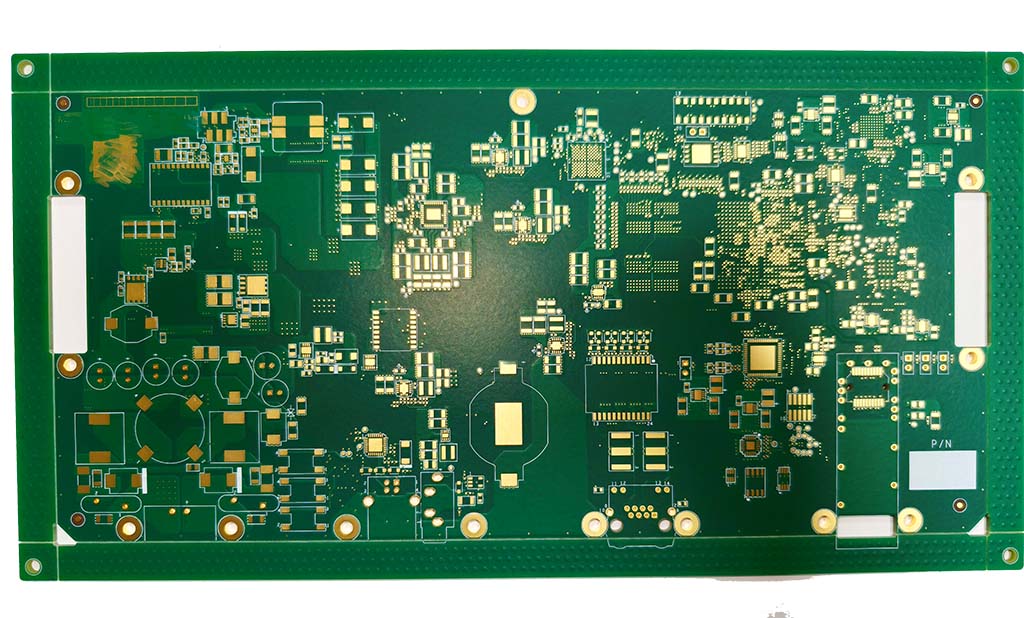
14Layer with FR4 Tg180
Designed for complex, high-speed broadcasting systems requiring multi-layer signal integrity and stable performance.
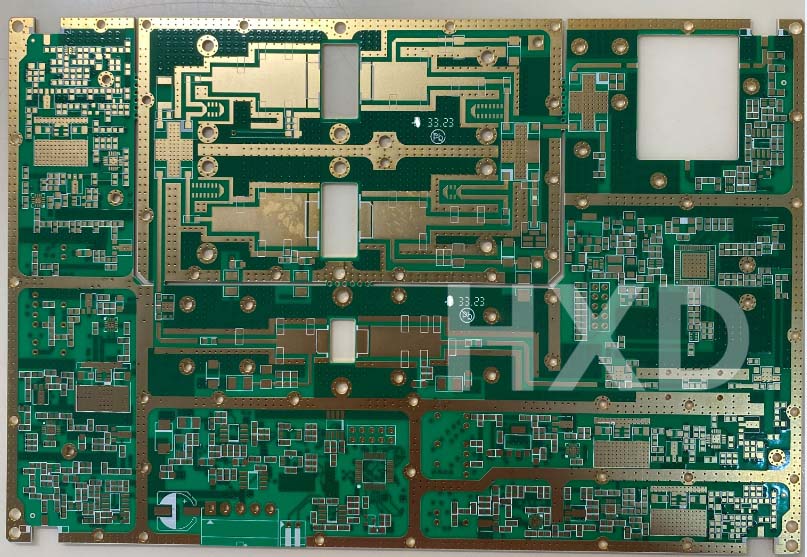
4Layer Rogers4350+FR4 with Hybrid Laminating PCB
Rogers 4350 for RF layers + FR4 for structural layers, delivering high-frequency performance with lower material cost
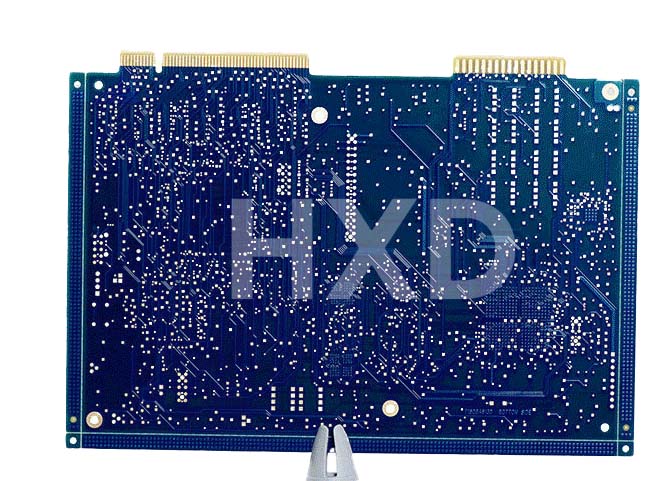
8Layer FR4 Tg170
Our hard gold fingers are plated with a thick 40μ of gold, specifically designed to withstand thousands of mating cycles without wear, ensuring long-term reliability.
Technical Specs
FR4 PCB Manufacturing Capabilities
Complete production specification for standard FR4 PCB board orders. Advanced specs subject to DFM review.
| Parameter | Standard | Advanced |
|---|---|---|
| Layer Count | 1 – 8 | Up to 20 |
| Board Thickness | 0.8 / 1.0 / 1.6 / 2.0 mm | 0.4 – 3.2 mm (custom) |
| Copper Weight | 1 oz (35 µm) | 0.5 – 6 oz |
| Min Trace / Space | 0.127 / 0.127 mm | 0.075 / 0.075 mm |
| Min Drill (Mech.) | 0.30 mm | 0.20 mm |
| Min Laser Via | — | 0.10 mm |
| Aspect Ratio | 8 : 1 | 20 : 1 |
| Controlled Impedance | ± 10% | ± 5% |
| Max Panel Size | 457 × 610 mm | 600 × 900 mm |
| PCB FR4 Material | Tg 130 (Shengyi S1141) | Tg150 / 170 / 180, HF grade |
| Surface Finish | HASL (LF), ENIG | OSP, Imm.Ag, Imm.Sn, ENEPIG, Hard Gold |
| Solder Mask Color | Green, Blue, Red, Black, White | Yellow, Matte Black, Clear, Purple |
| Via Type | Through-hole | Blind, Buried, Laser (HDI) |
| Via Fill | Tented | Resin fill + planarize + Cu cap |
| Special Process | — | Cavity, back-drill, countersink, flex-rigid |
| Testing | Flying probe, AOI | ICT fixture, X-ray, TDR impedance |
View more capabilities. Advanced specs subject to DFM review.Contact engineering for out-of-spec requirements.
Ready to get started?
Upload your Gerber files and our engineers will confirm the right PCB FR4 material grade, stack-up, and surface finish — and send a DFM-checked quote within 2 hours. Free of charge.
Material Data
FR4 PCB Material Comparison
All grades are based on standard IPC-4101 specifications. Select the right PCB FR4 material Tg grade for your temperature and reliability requirements.
| Material | Tg (°C) | Td (°C) | CTE-Z (ppm/°C) | Dk @ 1 MHz | Df @ 1 MHz | Lead-Free | Halogen-Free | Best For |
|---|---|---|---|---|---|---|---|---|
|
FR4 Standard
Tg 130 · IPC-4101/21
|
≥ 130 | 305 | 70 | 4.5 | 0.020 | Marginal | — | Consumer electronics, LED, toys |
|
FR4 Mid-Tg
Tg 150 · IPC-4101/26
|
≥ 150 | 325 | 60 | 4.5 | 0.018 | ✓ | Option | Industrial control, smart meters |
|
FR4 High-Tg 170
Tg 170 · IPC-4101/99
|
≥ 170 | 340 | 50 | 4.4 | 0.016 | ✓ | ✓ | Server boards, EV BMS, power PSU |
|
FR4 High-Tg 180
Tg 180 · IPC-4101/129
|
≥ 180 | 355 | 42 | 4.3 | 0.015 | ✓ | ✓ | 5G telecom, aerospace, automotive |
|
FR4 Halogen-Free
Tg 150 HF · IPC-4101/129
|
≥ 150 | 330 | 55 | 4.6 | 0.017 | ✓ | ✓ | Medical, REACH compliant products |
Material Advantages
Why Choose FR4 PCB Material?
FR4 material has become the industry standard for a reason. Here are the main reasons why engineers across different industries continue to choose FR4 epoxy boards.
Superior Thermal Stability
FR4 material has good heat resistance. Standard FR4 has a Tg of around 130°C, while High-Tg materials can reach 170–180°C. This thermal performance allows PCBs to work well with lead-free reflow soldering and helps prevent delamination and blistering during thermal cycling.
Most Cost-Effective PCB Material
FR4 PCBs have a mature raw material system and a stable global supply chain, with large-scale production from manufacturers such as Shengyi and Isola. This provides strong advantages in both cost and supply stability. As a result, FR4 is suitable not only for prototyping but also for mass production.
Flame Retardancy
FR4 material meets the UL94 V-0 standard, which means it can self-extinguish within 10 seconds in the event of a fire and does not produce dripping particles. This is very important for the safety of electronic products.
Mechanical Strength
FR4 has a tensile strength of up to 310 MPa (about 65,000 psi), which provides strong structural support for electronic components. It is not easily damaged during complex assembly processes or in harsh working environments.
Electrical Insulation
FR4 has excellent dielectric properties, with a dielectric constant (Dk) typically between 3.9 and 4.8. It can effectively isolate interference between circuit layers and ensure stable signal transmission. It is well suited for general electronic devices and consumer products operating below 1 GHz or 2 GHz.
Environmental Stability
FR4 has almost zero water absorption, which helps it maintain stable mechanical strength and electrical insulation performance in both dry and humid environments. In addition, it offers excellent dimensional stability and is not easily deformed by changes in temperature or humidity.
Use Cases
Common FR4 PCB Applications
The versatility of FR4 circuit boards makes them the default substrate across virtually every electronics segment.
Consumer Electronics
Smart home devices, wearable products, and gaming peripherals often use standard Tg130 or mid-Tg150 FR4 PCB boards. For designs that require ultra-thin profiles and fine-pitch BGA and QFN packages, a 0.8 mm board with ENIG (electroless nickel immersion gold) finish provides excellent flatness and reliable soldering performance.
Industrial Control
PLCs, VFD motor drives, industrial sensors, and SCADA controllers demand Tg150+ FR4 PCB material with tight impedance control and IPC Class II workmanship, able to withstand vibration and wide temperature cycling.
Automotive & EV
ECUs, BMS, ADAS radar, and in-cabin infotainment boards need High-Tg FR4 (Tg170/180), AEC-Q100-grade supply chain, and full traceability per IATF 16949 requirements.
5G & Telecom
Base station backplanes, router linecards, and optical transceiver boards utilize High-Tg (Tg170+) FR4 PCBs featuring controlled-impedance differential pairs and laser-drilled microvias to support high-speed signaling and dense connector arrays.
Medical Devices
Diagnostic imaging, patient monitoring, and implantable controllers require IPC Class III High-Tg FR4 PCBs with halogen-free (HF) properties, ensuring full traceability and strict compliance with RoHS and REACH standards.
Power Electronics
UPS, solar inverters, EV chargers, and server PSUs require heavy-copper (typically 3–6 oz) FR4 PCBs with High-Tg (Tg170+) material to handle high current density and thermal stress simultaneously.
FAQ
Frequently Asked Questions
Common questions about FR4 PCB board fabrication and PCB FR4 material selection.