HXDcircuit

Consumer Electronics PCB Manufacturing

Build reliable consumer electronics PCBs for prototypes and volume production. We support rigid PCB, multilayer PCB, HDI PCB, and flexible PCB solutions for compact electronic devices.

Common PCB Structures Used in Consumer Electronics

Consumer electronics products use different PCB structures based on space, signal speed, cost, and product design. Simple products may use single-sided or double-sided boards. More compact or advanced products often need multilayer PCB, HDI PCB, or flexible PCB.

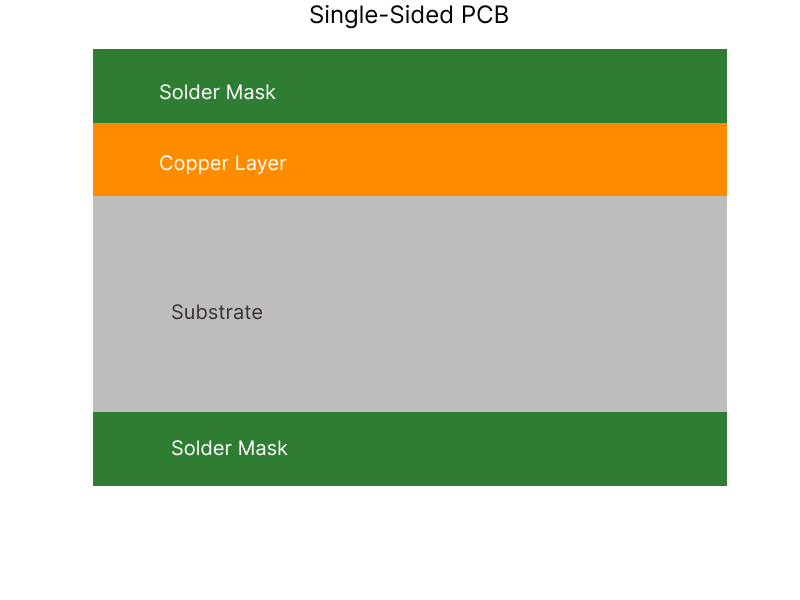
Single-Sided PCB

Single-Sided PCB

A single-sided PCB has copper on one side only. Designers use this structure for simple and low-cost electronic products.

Single-sided boards work well for remote controls, LED products, small toys, simple chargers, and basic home devices. They help reduce cost and simplify production. The main limit is routing space. The board may not support dense components or complex circuits.
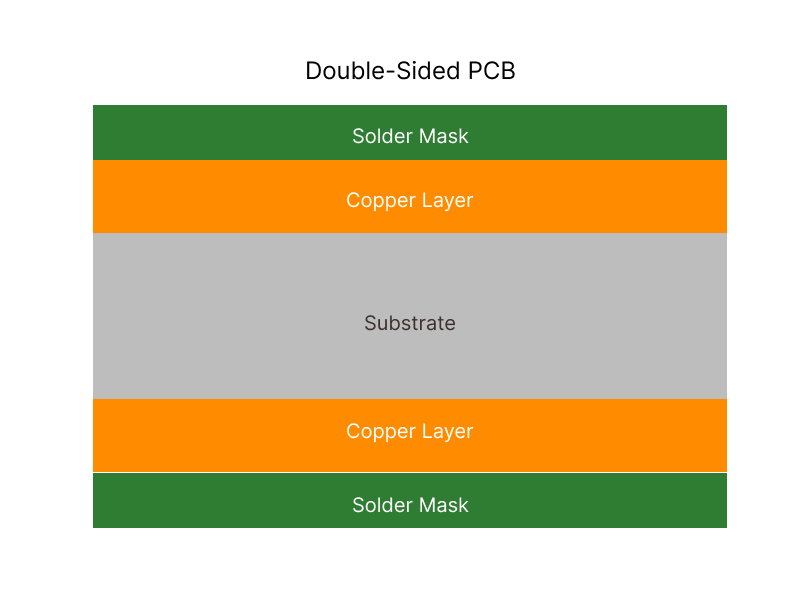
Double-Sided PCB Stack-up (1)

Double-Sided PCB

A double-sided PCB has copper on both sides. Designers use vias to connect the top and bottom layers.

This structure gives more routing space than a single-sided board. It works well for many consumer electronics products, such as small power boards, audio devices, and control modules.

Double-sided PCB offers a good balance between cost and performance. Many standard consumer products use this type of rigid PCB for consumer electronics.
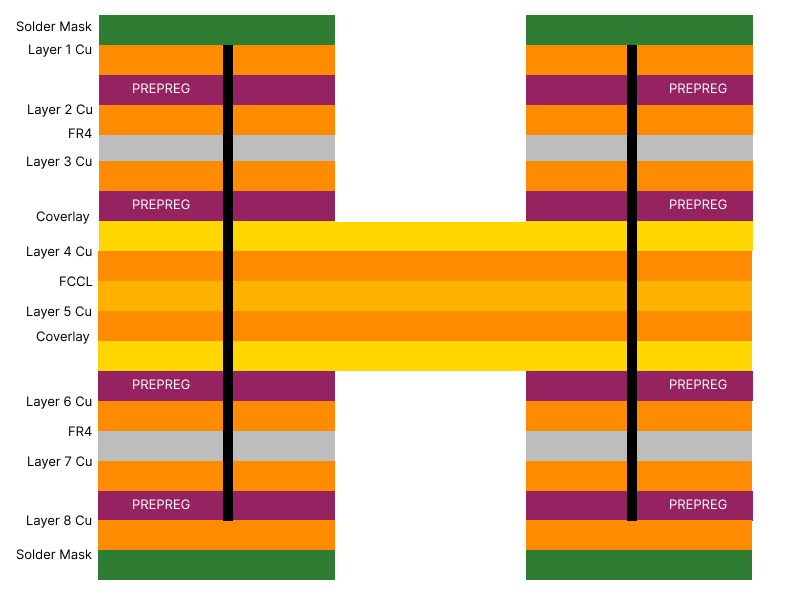
Rigid-flex 8-layer stackup

Multilayer PCB

A multilayer PCB uses three or more conductive layers. Common layer counts include 4-layer, 6-layer, 8-layer, and higher.

Designers use multilayer PCB when the product needs more routing space, better signal control, and stronger power distribution. A 4-layer PCB often uses signal layers with inner ground and power planes. This structure can improve EMI control and signal stability.

For phones, tablets, smart devices, and compact modules, a multilayer PCB manufacturer for consumer electronics must control stackup, lamination, drilling, plating, and impedance with care.
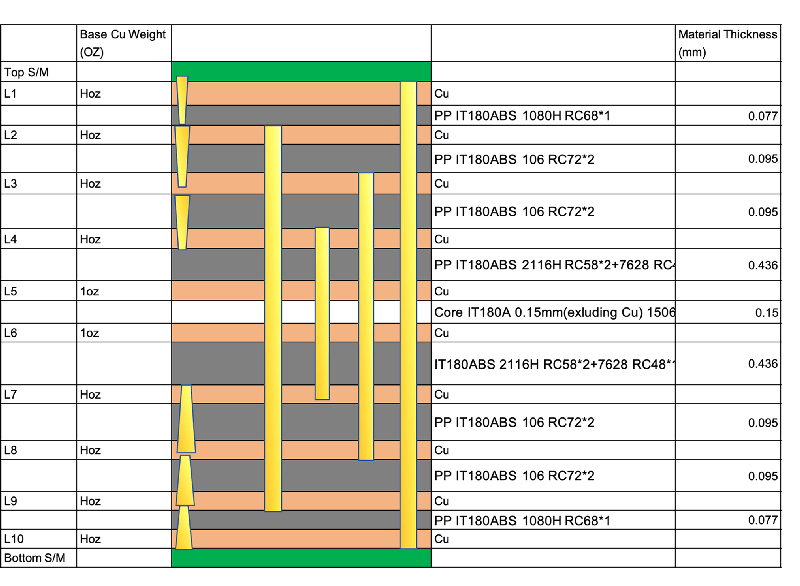
10-layer-hdi-pcb-stackup

HDI PCB

HDI PCB means high-density interconnect PCB. It uses fine lines, small spacing, laser microvias, blind vias, and thin dielectric layers.

Designers use HDI PCB when space is limited and component density is high. Smartphones, wearables, wireless modules, and compact smart devices often need HDI designs.

HDI PCB can reduce board size and support fine-pitch components. But it also needs advanced manufacturing control. The supplier must manage laser drilling, copper plating, layer alignment, and microvia reliability.
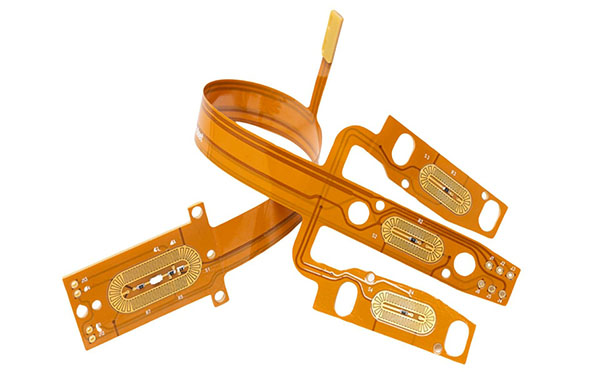
Flexible PCB

Flexible PCB

A flexible PCB uses thin and bendable material, such as polyimide. Designers use flexible PCB for consumer electronics when the product needs folding, bending, or space-saving connections.

Flexible PCB works well in wearables, displays, foldable devices, and compact modules. It can replace cables and connectors in tight spaces.

A flexible PCB for consumer electronics must handle bending stress, coverlay alignment, copper cracking risk, and stable electrical performance.
Get a Quote

Get Reliable Consumer Electronics PCB Manufacturing

Upload your Gerber files for a fast DFM review and quotation.

Quote within 2 hours DFM review included IPC-A-600 certified

Key Requirements for Consumer Electronics PCB Design

Consumer electronics products often face strict design limits. The PCB must fit in a small housing, support dense components, pass electrical tests, control heat, and stay cost-effective for mass production.

Compact Size and High Component Density

Many consumer electronics products need small and thin PCB designs. Phones, watches, and smart home sensors often have limited space.

Designers need fine traces, small vias, and careful component placement. They also need a clean layout to avoid routing problems. For high-density designs, HDI PCB and multilayer PCB can help reduce board size.

A good consumer electronics PCB supplier should check the design early. This helps prevent spacing issues, drill limits, solder mask problems, and assembly risks.

Stable Electrical Performance

Consumer electronics products often include wireless signals, digital signals, sensors, power circuits, and charging circuits on one board.

Designers need stable return paths, clean ground planes, and controlled routing. Poor layout can cause noise, EMI, signal loss, or unstable product behavior.

For higher-speed designs, the PCB stackup and material choice matter. Controlled impedance may also be needed for USB, RF, display, memory, or high-speed data lines.

Heat Control

Small products can still generate heat. Chargers, power adapters, LED products, and battery-powered devices may need strong heat control.

Designers can use wider copper traces, thermal vias, copper pours, and suitable materials to move heat away from hot parts. For higher-power products, aluminum PCB or heavy copper PCB may also help.

Good thermal planning can improve product life and reduce failure risk.

Mechanical Reliability

Consumer electronics products often face drops, vibration, bending, plugging, and daily handling.

The PCB must support the product’s mechanical needs. Rigid boards need stable thickness and good solder joint support. Flexible boards need the right bend radius and copper design. Connector areas may need extra strength.

Designers should review mounting holes, board edges, connector zones, and bend areas early.

Cost Control for Mass Production

Consumer electronics often need large production runs. Cost control matters.

Designers can reduce cost by keeping the stackup simple, avoiding unnecessary HDI structures, choosing common materials, and using standard surface finishes when possible.

A strong consumer electronics PCB board manufacturer can help review the design before mass production. This can reduce scrap, delays, and process risk.

Manufacturing Challenges

Manufacturing Challenges in Consumer Electronics PCB

Consumer electronics PCB manufacturing can be more difficult than it looks. Many boards are small, thin, dense, and produced in high volume. The manufacturer must control each process step with care.

Manufacturing Challenges in Consumer Electronics PCB
1

Fine Lines and Small Spacing

Compact products often need fine lines and small spacing. These features help designers route more signals in limited space.

Fine-line production needs stable imaging, etching, and inspection. If the process drifts, traces may become too narrow, too wide, or shorted.

Laser Direct Imaging, stable etching control, and AOI inspection help improve fine-line quality.

2

Small Drills and Microvias

Small consumer electronics products often use small mechanical drills or laser microvias.

Small holes save space, but they increase manufacturing difficulty. The supplier must control drilling accuracy, plating thickness, and hole reliability.

For HDI PCB, microvia quality matters a lot. Poor microvia plating can lead to open circuits or field failures.

3

Warpage Control

Thin boards and multilayer boards can bend during lamination, solder mask curing, surface finish, or assembly.

Warpage can cause assembly problems, poor solder joints, or component placement issues. Symmetric stackups, balanced copper, suitable materials, and controlled lamination help reduce warpage.

For consumer electronics PCB manufacturing, warpage control becomes more important when the board is thin or has fine-pitch components.

4

Solder Mask Accuracy

Consumer electronics PCBs often use small pads, dense components, and fine-pitch packages.

Solder mask alignment must stay accurate. Poor solder mask registration can expose copper, cover pads, or cause soldering problems.

Accurate solder mask printing and inspection help improve assembly yield.

Quality Assurance

Quality Checks for Consumer Electronics PCB Production

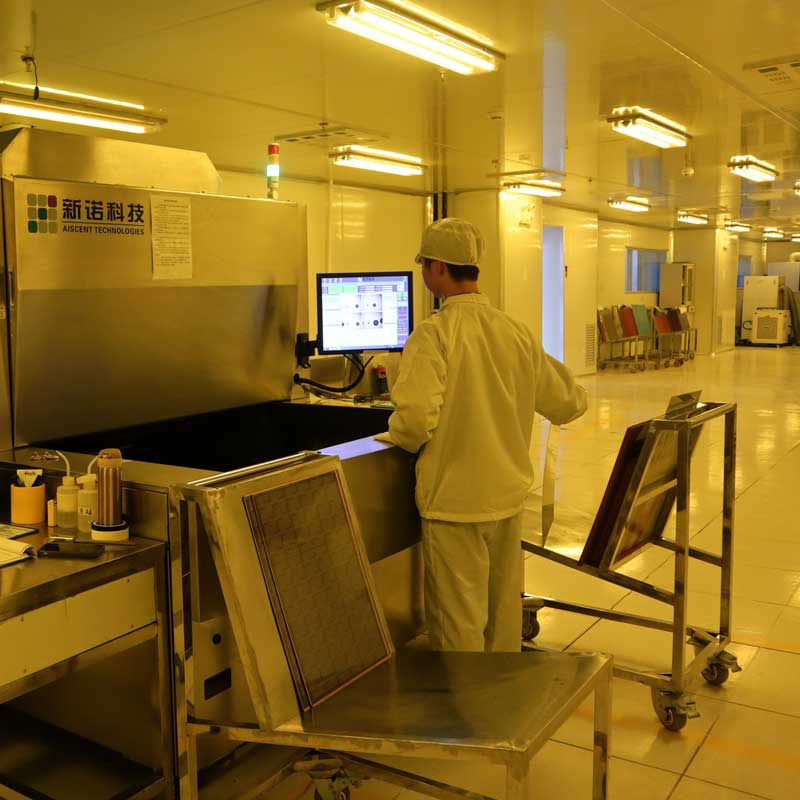
We can help review Gerber files, stackup design, drill design, and surface finish. Our quality process helps reduce defects and keep production stable.

If you need a consumer electronics PCB supplier for prototypes or volume orders, HXD can support your project from design review to final delivery.

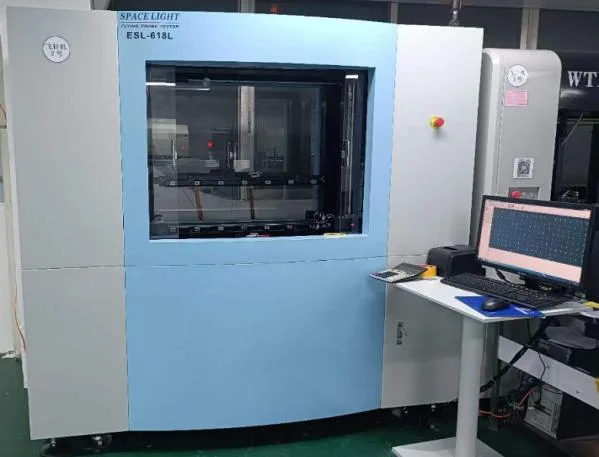
100% Electrical Testing

100% Electrical Testing

Every board is fully tested for open circuits, short circuits, and net continuity before shipment. We use flying probe or fixture-based testing depending on volume, ensuring zero electrical defects reach your assembly line.

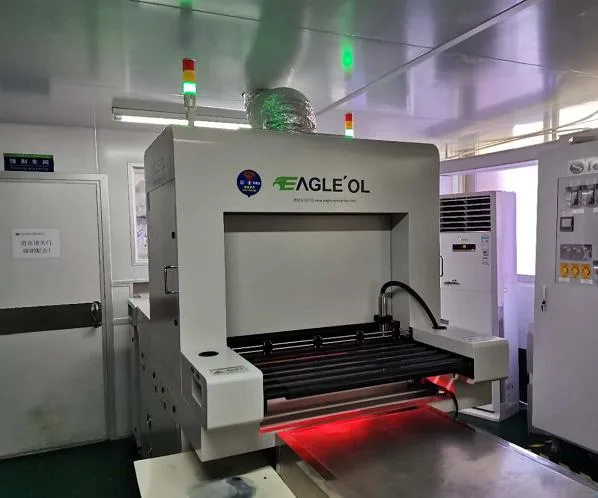
100% Automated Optical Inspection

100% Automated Optical Inspection

High-resolution AOI systems scan the inner and outer layers. They find trace defects, missing pads, solder mask misalignment, and other visual issues. This helps catch problems early, saving money.

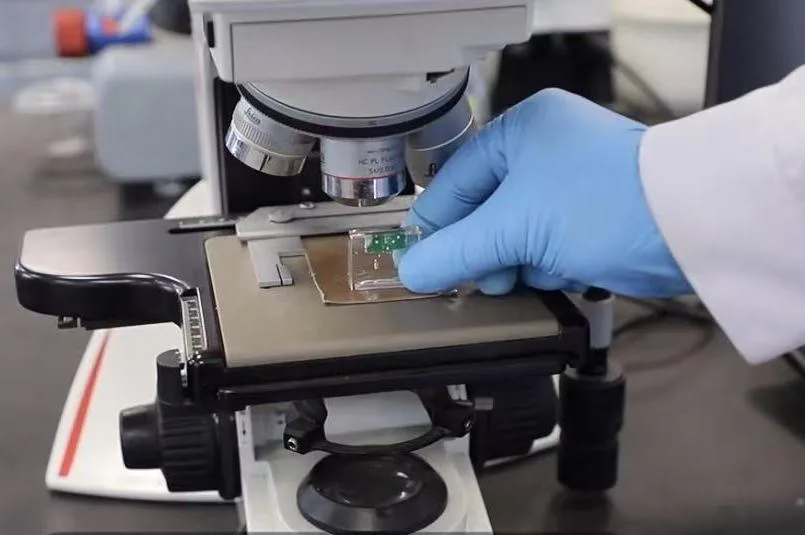
100% Micro-sectioning TEST

100% Micro-sectioning TEST

We use micro-sectioning to check the inside of the PCB. By cutting a small sample and viewing it under a microscope, we can inspect via plating, layer alignment, and bonding quality. This helps make sure every board is strong and reliable.

100% Final Quality Control (FQC)

100% Final Quality Control (FQC)

Before packaging, each board gets a detailed final inspection. We check dimensions, surface finish, hole quality, silkscreen accuracy, and overall workmanship. This all meets IPC Class 2 or Class 3 standards.

All quality records are traceable and available upon request. We stand behind every board we ship.

Applications of Consumer Electronics PCBs

Consumer electronics PCBs appear in many products. Each product type has different needs for space, cost, signal quality, and heat control.

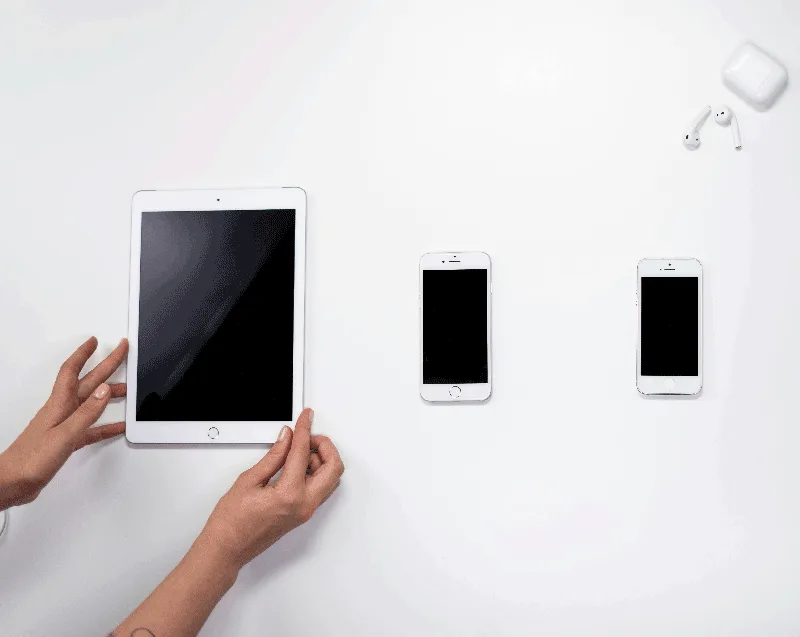
Smartphones-and-Tablets.png

Smartphones and Tablets

Smartphones and tablets need thin, dense, and reliable PCBs. These products often use multilayer PCB, HDI PCB, rigid-flex PCB, and flexible PCB.
Designers may need fine lines, microvias, controlled impedance, and thin stackups. Stable manufacturing control matters because these products have little space for errors.

Wearable Devices

Wearable Devices

Wearable devices need small, light, and durable PCBs.
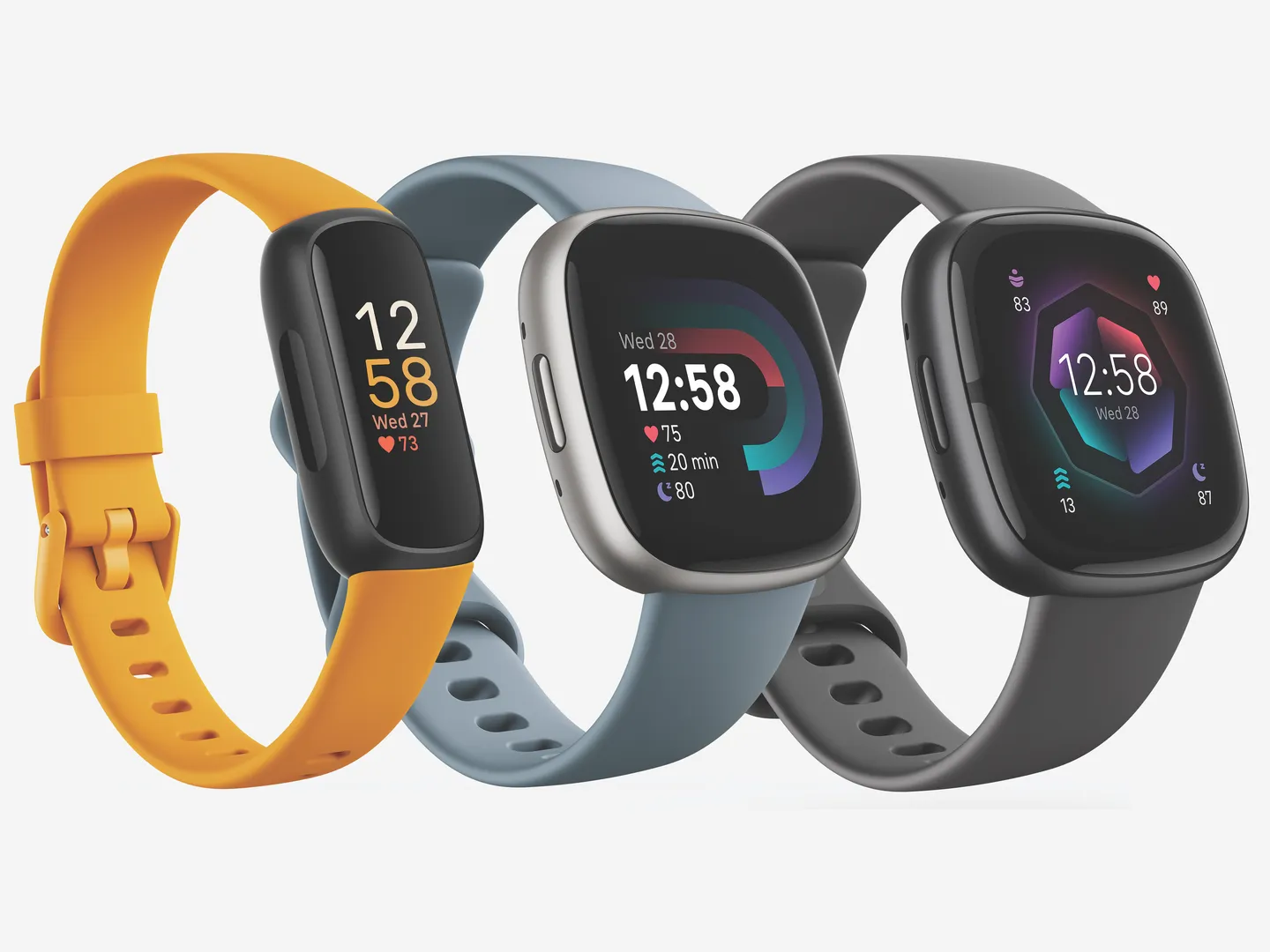
Smart watches, fitness bands, health sensors, and wireless earbuds often use flexible PCB or rigid-flex PCB. These products may also need battery safety, wireless performance, and bend reliability.

Smart Home Devices

Smart Home Devices

Smart home devices include sensors, cameras, speakers, controllers, thermostats, and lighting products.
These products may use single-sided PCB, double-sided PCB, 4-layer PCB, or wireless module PCB. Key needs include stable power, wireless signal quality, cost control, and reliable volume production.

Audio-and-Entertainment-Devices

Audio and Entertainment Devices

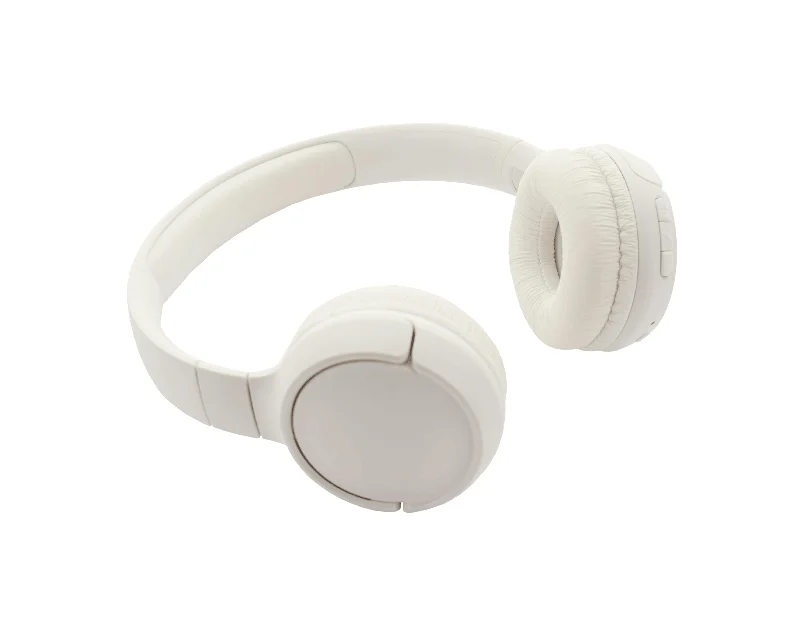
Audio and entertainment products include speakers, earbuds, remote controls, game controllers, and display devices.
These PCBs may need clean signal routing, stable power, and good connector strength. Some audio products also need careful grounding to reduce noise.

Chargers-and-Power-Accessories

Chargers and Power Accessories

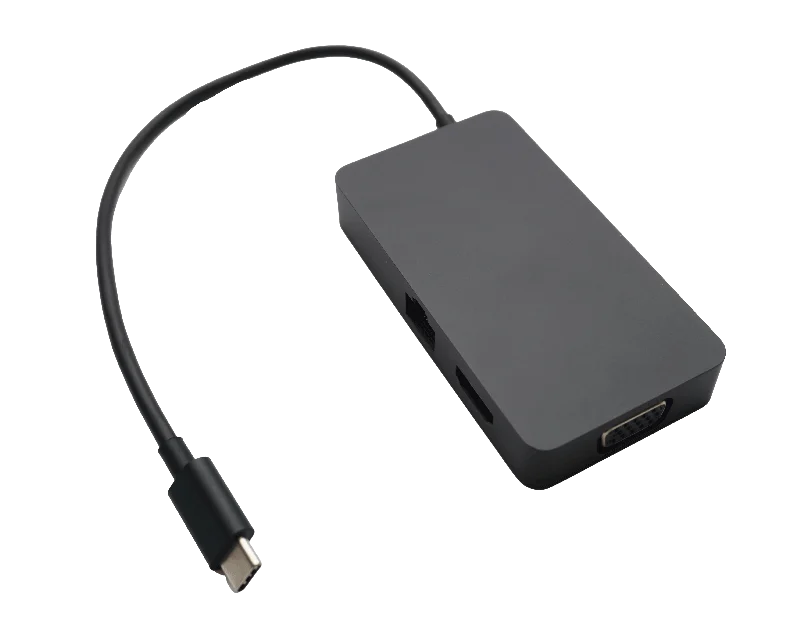
Chargers, adapters, power banks, and charging docks need good heat control and reliable current paths.
Designers should use proper trace width, copper weight, spacing, and thermal design. Safety and insulation also matter. For higher-current products, thicker copper or special materials may help.

FAQ About Consumer Electronics PCB

When should I use multilayer PCB for consumer electronics?
Use multilayer PCB when your product needs more routing space, stable power distribution, better EMI control, or controlled impedance. Many compact and higher-performance consumer products use 4-layer, 6-layer, or 8-layer PCB designs.
What surface finish works best for consumer electronics PCB?
ENIG works well for fine-pitch components, BGA pads, and flat soldering surfaces. OSP can reduce cost for some high-volume products. HASL works for many standard boards, but it may not suit fine-pitch layouts.
How can I reduce consumer electronics PCB cost?
Keep the stackup simple when possible. Use standard materials, standard thickness, common copper weight, and suitable surface finish. Avoid HDI, blind vias, or tight spacing unless the design needs them.
Can HXD support quick turn PCB manufacturing for consumer electronics?
Yes. HXD supports quick turn PCB manufacturing for consumer electronics prototypes and small batches. We also support volume production after the design becomes stable.
How HXD Supports Consumer Electronics PCB Manufacturing?
We can help review Gerber files, stackup design, drill design, surface finish, and manufacturability. Our quality process helps control defects and improve production consistency.

If you need a consumer electronics PCB supplier for prototypes or volume orders, HXD can support your project from design review to final delivery.
REQUEST A QUOTE

Supported file formats: PDF, DOC, DOCX, TXT, JPG, PNG (Max 2MB)