How to Plan a Successful PCB Prototype Assembly Project?
 steve ran
October 6, 2026
steve ran
October 6, 2026
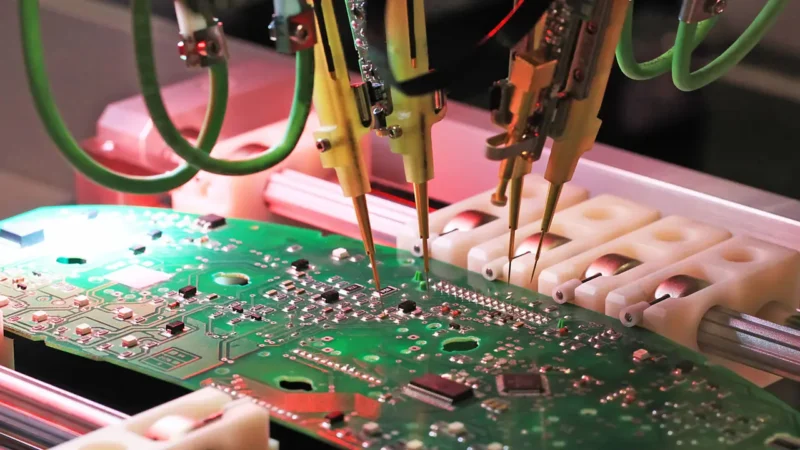
PCB assembly prototyping is the process of mounting parts on a finished circuit board, usually from a few pieces, to several dozen.
PCBA prototyping helps test product functions and the assembly process before mass production. This helps find problems early, avoid mistakes during large-scale production, and reduce production costs and material waste.
Required Documents for PCBA Prototyping
Before starting a PCB prototype assembly project, you should prepare a complete set of production files. These files help the manufacturer understand your design and reduce errors during production.
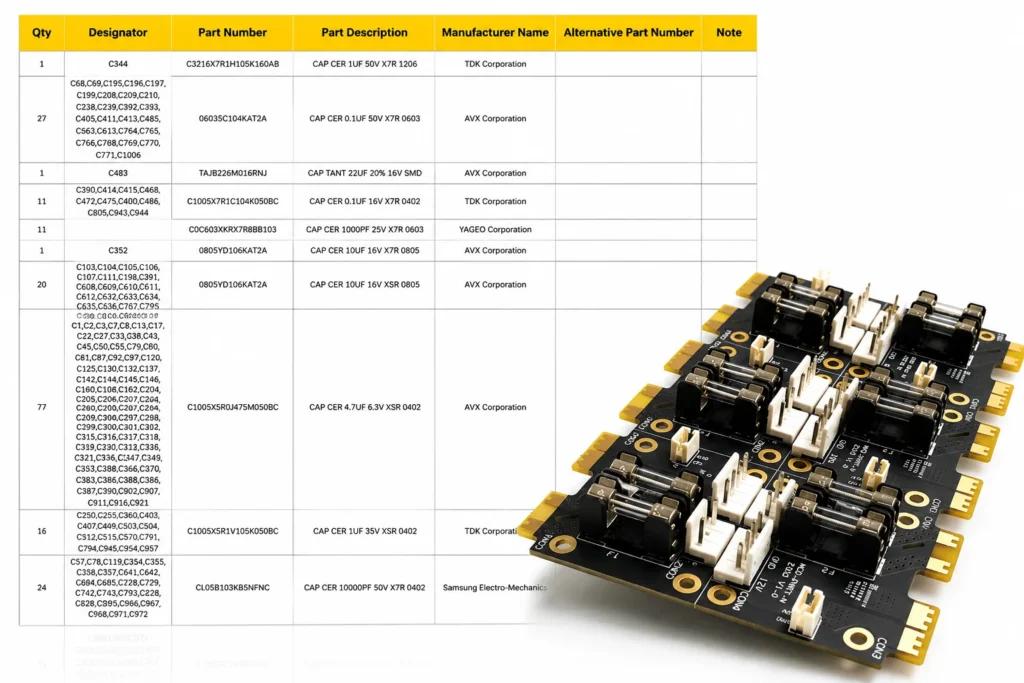
- Gerber Files: The standard files used for PCB manufacturing. They include information for copper layers, solder mask, silkscreen, drill holes, and other board details.
- BOM (Bill of Materials): A complete list of all components used in the assembly. It should include part numbers, specifications, packages, reference designators, brands, and quantities.
- Pick and Place File: Used by SMT machines to place components on the PCB. It includes the X and Y coordinates and rotation angle of each component.
- Assembly Requirements: List any special production needs. Include lead-free assembly, ICT or FCT testing, conformal coating, and special packaging.
- PCB Specifications: List board thickness and layer count. Include board material and surface finish (HASL, ENIG, etc.). Add any other special process requirements.
How to Choose a Reliable PCBA Prototype Manufacturer
PCBA manufacturers can differ greatly in production capability, quality control, and service. When choosing a supplier, consider the following key factors:
- Fast Delivery: A reliable supplier should be able to support urgent R&D projects. Standard prototype orders take 4–7 days, with faster turnaround available for urgent projects.
- One-Stop Service: Choose suppliers offering full services including PCB fabrication, SMT assembly and finished board testing. This reduces communication errors and shortens lead times.
- Quality Certifications: Look for manufacturers with recognized quality systems such as ISO 9001, IATF 16949 for automotive applications, and ISO 13485 for medical devices. These certifications are especially important for projects with strict quality and other high-end applications.
- DFM Review Before Production: A professional manufacturer should perform a Design for Manufacturability (DFM) review before production. This helps find issues with pad design, component layout, and assembly needs before manufacturing starts. It reduces the risk of prototype failure and rework.
Start Your PCBA Prototype Project
Send us your Gerber files and BOM. Our team will review your project requirements and provide a clear quotation, lead time, and production plan.
Get StartedHow Much Does PCBA Prototyping Cost?
PCBA prototyping cost and delivery time mainly depend on PCB complexity, component types, order quantity, and special production requirements.
- Cost Breakdown: The total cost may include PCB fabrication, SMT assembly, component sourcing, stencil fees, testing, and other services. Small prototype orders may usually carry a basic setup fee. Lead-free assembly usually costs slightly more than leaded assembly. We normally base the final quotation on the BOM and Gerber files.
- Lead Time: Simple PCB assemblies can be ready in as fast as 1–2 days. Standard PCBA prototype order usually takes about 3–7 days. Multilayer boards, special components, or custom processes will take longer. Rush production is also available for urgent projects.
Conclusion
PCBA prototyping is an important step before mass production. It helps you verify the PCB design, assembly process, component selection, and product performance before you produce larger quantities.
To get reliable results, prepare complete production files. Choose an experienced PCBA manufacturer. Confirm cost, lead time, testing, and quality needs before production starts.
If you are planning a PCB prototype assembly project, send us your Gerber files and BOM for a quick review and quotation.